World
BBC says sorry to Trump over edited clip but rejects $1bn claim

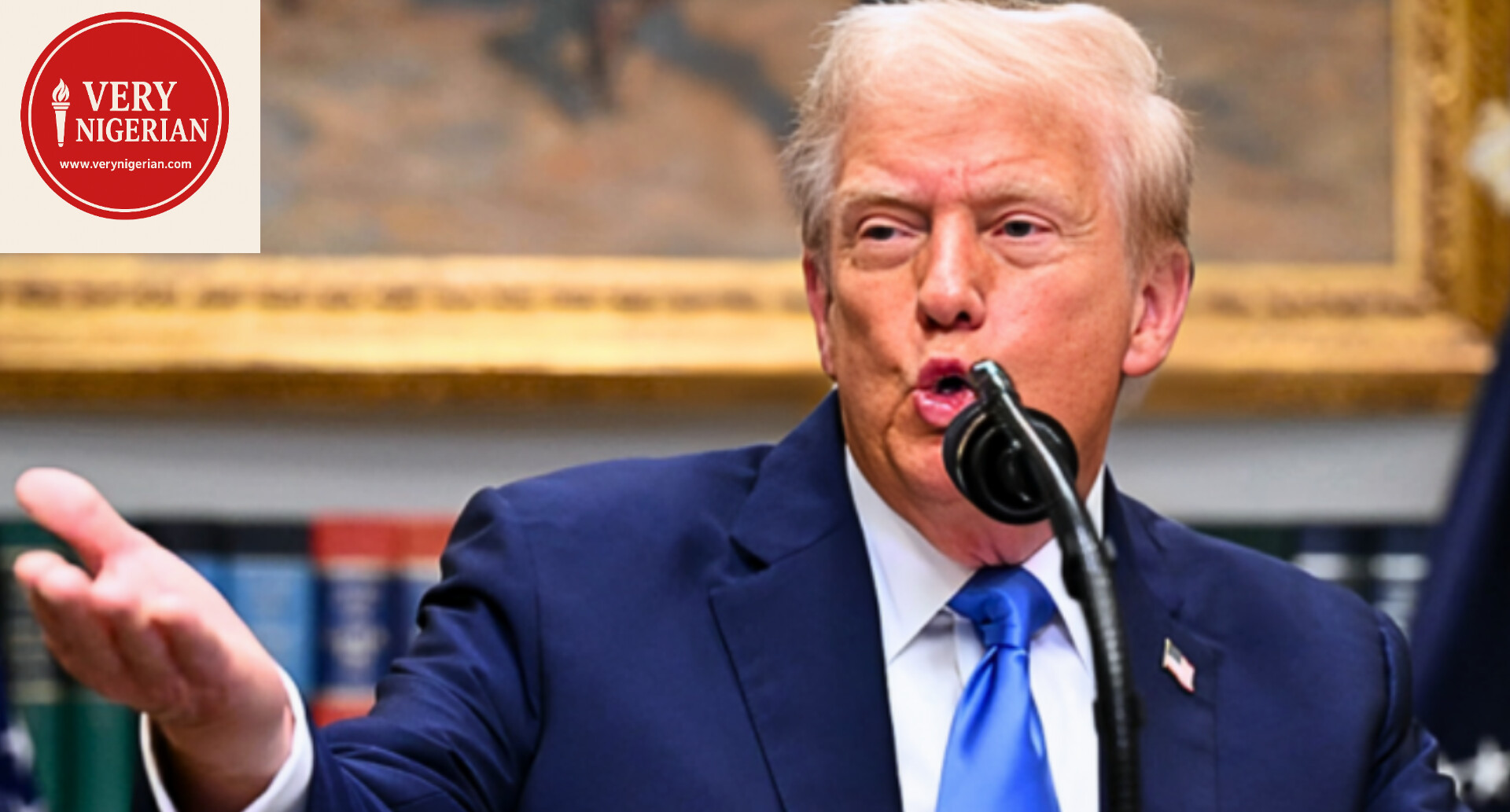
The BBC has apologised to US President Donald Trump for editing a documentary in a way that made it appear as though he had encouraged violence, but the broadcaster has rejected his demand for compensation.
The apology was published in the BBC’s Corrections and Clarifications section on Thursday evening after the programme came under fire for how Trump’s speech was edited.
In the Panorama documentary titled “Trump: A Second Chance?”, the president was shown saying: “We’re going to walk down to the Capitol… and I’ll be there with you. And we fight. We fight like hell.”
However, a leaked internal memo revealed that the clip was an edit taken from two different parts of Trump’s January 2021 speech in Washington DC.
In the full speech, he had also said: “We’re going to walk down to the Capitol, and we’re going to cheer on our brave senators and congressmen and women.”
The leaked document was cited in a report by the Telegraph and former adviser Michael Prescott, a development that eventually led to the resignation of BBC director-general Tim Davie and BBC News CEO Deborah Turness.
In a letter sent on Sunday, Trump’s lawyers demanded that the BBC retract the documentary before November 14 or face a lawsuit seeking no less than $1 billion.
BBC said the editing caused the president “overwhelming financial and reputational harm” and threatened legal action unless an apology and compensation were offered.
A BBC spokesperson confirmed that Samir Shah, the BBC chair, sent a personal letter to the White House apologising for the way Trump’s January 6 speech was edited in the programme.
The broadcaster said it has no plans to rebroadcast Trump: A Second Chance? on any of its platforms.
“While the BBC sincerely regrets the manner in which the video clip was edited, we strongly disagree there is a basis for a defamation claim,” the BBC’s lawyers responded.
The incident has intensified criticism against the BBC board, with critics arguing that the organisation reacted too slowly to the editing error.
The controversy also comes amid rising concerns about the BBC’s alleged “anti-Israel bias” in its Arabic service coverage of the Gaza conflict, as well as criticisms of its reporting on transgender issues.
Turness acknowledged earlier that errors were made but maintained that claims of institutional bias within BBC News were “wrong.”
BBC


 Follow Us on Google Discover








Why Shettima Insults Atiku: by Farooq Kperogi

Messi’s double fires Inter Miami to 3-1 victory over Atlanta United

Opposition will front a single candidate against Tinubu, announcement will be made few days to election – Lukman

La Liga: Unstoppable Barcelona beat Real Betis 5-2 to extend winning run

EPL: Super Eagles star Iwobi fires Fulham to first league victory

Ogun hospital under fire as Nurse dies of asthma attack amid alleged oxygen failure

Maryam Babangida Center for Women Devt gets first wheel chair ramp after 34 years

Shettima inaugurates Arewa for Asiwaju campaign office in Abuja

2027: ‘APM will beat Tinubu in 12 battleground states’ – Makinde’s campaign team

Veteran Journalist, diplomat Dele Cole dies at 86

Suspended NSCDC commandant apologises over deaths of suspected illegal miners in Niger

EPL: Martinez rushed to hospital after head injury as Chelsea beat Everton

COAS arrives Borno as Military moves to clear terrorist camps, rescue abductees

Macky Sall quits race for UN Secretary-General position

Buhari backed Osinbajo’s presidential ambition four times, Akande tells Babachir Lawal

Erisco Foods announces 13 job openings across Nigeria – Apply Now

2027: Step down if you are not working for Tinubu – Deji Adeyanju dares Obi, Kwankwaso

House Officers, Nurses, Radiographers, Others wanted as DELSUTH opens recruitment – Apply Now

Tinubu reappoints Bala Bila as INEC commissioner, nominates six others

Elon Musk unveils Tesla’s ‘flying’ car in stunning demonstration

2027: Kwankwaso a goat in sheep’s clothing, secretly working for Tinubu – Atiku Campaign Council

33 Governors cannot be wrong in supporting Tinubu – Bayo Onanuga

Security forces arrest five suspects over abduction of 20 NYSC members in Imo

Atiku fully fit, ready to campaign in all 36 states, interact with Nigerians – ADC PCC

2027: ‘Don’t trust your destiny to ‘kalokalo’ people’ – Wike warns Rivers voters against Atiku, Amaechi, Obi

Outrage as suspected cultists unveil renovated police post in Rivers

BREAKING: Oyebanji makes history as first Ekiti Governor to win second consecutive term

LAUTECH Resident Doctors halt 50-day strike as Makinde intervenes

2027: ‘I wont join my Uncle to support Tinubu’ – Davido says
