
News
‘Every Nigerian made poorer by 300%’ – Obasanjo slams Tinubu reforms

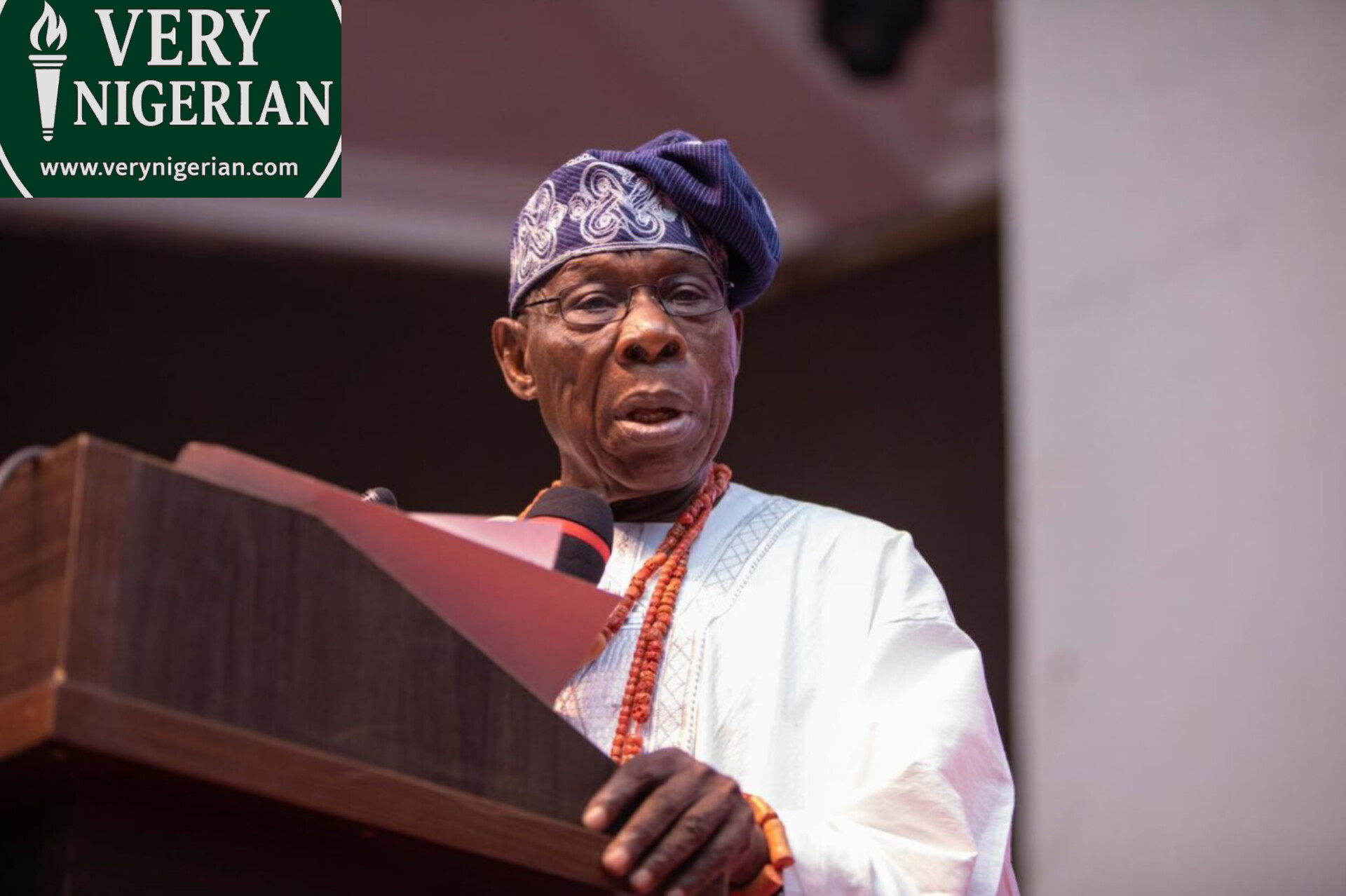
Former President Olusegun Obasanjo has criticised President Bola Tinubu’s economic reforms, arguing that the sharp depreciation of the naira has worsened poverty and placed additional pressure on Nigerians.
Obasanjo made the remarks on Wednesday at the Financial Times Africa Summit 2026 in London, United Kingdom, where he discussed the impact of Nigeria’s currency depreciation and broader economic challenges.
According to the former president, the naira’s decline against the US dollar significantly reduced the purchasing power of Nigerians and contributed to the country’s high poverty levels.
“We do not live in isolation as a country. We interact with the rest of the world. And overnight, you devalue the currency by 300 percent. The naira went from N500 to a dollar to N1,500 to a dollar,” Obasanjo said.
He argued that the currency’s depreciation had affected Nigerians’ ability to afford goods and services, adding that the development had contributed to Nigeria’s position among countries with the largest populations living in poverty.
“What that meant was that every Nigerian is made poor by 300 percent. That made Nigeria become the poverty capital of the world, which means Nigeria has the largest number of poor people in the world,” he said.
“You cannot say to me that that is good for Nigeria. You cannot say that that is good for us in any sense.”
Tinubu’s administration introduced major economic changes in 2023, including the removal of the petrol subsidy in May and foreign exchange reforms in June that allowed the naira to trade more freely.
The government has argued that the reforms are intended to address market distortions, improve foreign exchange availability, attract investment and strengthen the economy over time.
However, the changes were accompanied by a sharp depreciation of the naira, rising inflation and increased costs for imported goods. Higher food and transportation prices have also placed significant pressure on household budgets and businesses.
Obasanjo’s comments add to the ongoing debate over whether the economic reforms have delivered sufficient benefits to justify the immediate costs borne by Nigerians.
What is your view? Do you agree with Obasanjo that Tinubu’s economic reforms have worsened poverty, or do you believe the policies need more time to deliver their intended results?


 Follow Us on Google Discover




‘You called them cancer, now you’re their ally’ – Rufai Oseni slams Wike for embracing APC

‘Every Nigerian made poorer by 300%’ – Obasanjo slams Tinubu reforms

Hardship: NLC, TUC threaten nationwide action, give FG October 27 deadline

Seven-Up opens recruitment for 17 positions across Nigeria – Apply Now

Backend Office HQ announces 9 job openings with salaries of up to ₦400,000 – Apply Now

Reps consider bill to ban landlords from demanding more than one year’s rent in FCT

El-Rufai’s N10bn suit: Court approves ICPC’s request to play CCTV footage

2027: ‘If they can match my energy, vote for them’ – Makinde jumps off stage to challenge rivals

Police allegedly invade hospital owned by ex-Super Eagles star Emenike after he criticized Imo Governor

‘Politics Is Not Madness’: Emir of Katsina warns Tinubu Campaign DG Yari

Terrorism: Court sentences Gana’s spy to 40 years in prison for aiding Benue militia leader

Police arrest man over Lexus SUV with concealed ‘presidency’ number plate in Abuja

Ebola: FG bars 46 contacts of infected patient from air travel for 21 days

Bandits intercept vehicle in Sokoto, gun down all passengers

Bauchi Imam removed from position for allegedly campaigning for Tinubu’s second term
‘Politics Is Not Madness’: Emir of Katsina warns Tinubu Campaign DG Yari

Seven-year-old boy found dead after suspected kidnappers demand N2.5m ransom in Plateau

History and service have kept us intertwined – Tinubu celebrates Kwankwaso at 70

Oyebanji appoints four officials, swears in SSG, chief of staff in Ekiti

2027: He is a ‘wole wole’ man – APC National Secretary questions Atiku’s ability to fix Nigeria’s economy

Tinubu meets NELFUND Chairman Jim Ovia at Aso Rock

Toluwanisings: Family announces night of tributes, service of songs for late gospel singer
2027 Election: Court rejects suit to compel INEC to register new party

‘Where is my house?’ – Ortom questions Alia over denial of ex-governor’s benefits

UCL: Man United suffer 4-1 defeat to Como as pressure mounts on Carrick

Ebola: 10 Warning signs and prevention tips you should know
Bauchi Imam removed from position for allegedly campaigning for Tinubu’s second term

Ebola: Senate urges FG to release emergency funds, enforce screening at entry points

NDC rejects inclusion of C’River Chairman in APC campaign council
