
Special Features
Ebola: 10 Warning signs and prevention tips you should know

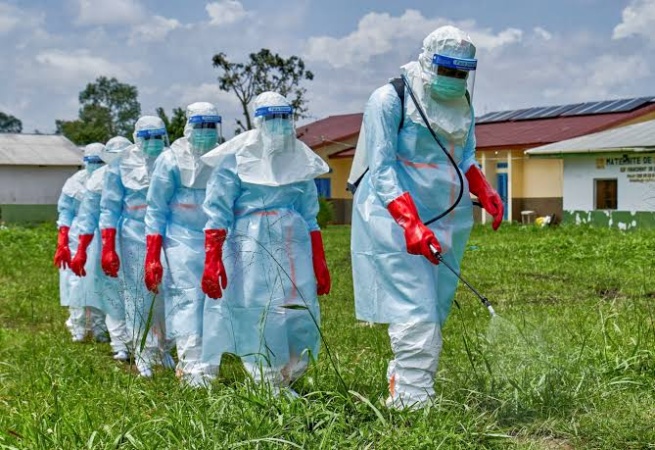
Following reports of a confirmed Ebola case in Abuja, Nigerians have been urged to remain vigilant, recognise possible symptoms of the disease and observe preventive measures to reduce the risk of infection.
The Nigeria Centre for Disease Control and Prevention (NCDC) has outlined symptoms that may indicate Ebola Virus Disease (EVD), as well as steps individuals can take to protect themselves and others.
A check of the NCDC website by our correspondent showed that the symptoms and case definitions outlined below are drawn from the agency’s Case Definitions for Ebola Viral Disease (Version 2), published on Sunday, May 31, 2026.
At the time of filing this report, the agency had not published a new advisory, according to the check.
Warning Signs of Ebola to Watch For
1. Sudden fever
A sudden onset of fever is one of the key symptoms highlighted in the NCDC’s case definition. However, fever alone does not confirm an Ebola infection.
2. Other symptoms
According to the agency’s case definition, a suspected case may involve fever accompanied by at least three additional symptoms, including headache, lethargy, loss of appetite, muscle or joint pain, abdominal pain, difficulty swallowing, vomiting, breathing difficulties, diarrhoea or hiccups.
3. Unexplained bleeding
Unexplained bleeding is another warning sign. The NCDC’s case definition identifies it as a criterion for a suspected case when accompanied by relevant travel history, including travel within the previous 21 days to the Democratic Republic of the Congo, Uganda or another country reporting Ebola.
4. Recent travel or contact with a suspected case
Travel and exposure history are important when assessing possible Ebola infections.
The NCDC’s 21-day assessment window includes travel to affected countries, contact with a confirmed or probable case, and exposure to sick or dead animals or bushmeat.
5. Other community warning signs
The agency also advises vigilance for fever that does not respond to treatment for common illnesses in the area, bleeding, bloody diarrhoea, blood in the urine and sudden or unexplained deaths.
Such cases should be reported promptly to a disease surveillance team or the nearest health facility.
How to Protect Yourself Against Ebola
6. Practise regular hand hygiene
Wash your hands frequently with soap and running water or use an alcohol-based hand sanitiser.
7. Avoid contact with blood and other body fluids
Do not touch the blood or body fluids of anyone who is ill and may have Ebola. Avoid handling the body of someone who died from an unexplained illness.
8. Avoid handling sick or dead wild animals
Do not handle sick or dead wild animals, and avoid eating raw or inadequately cooked bushmeat.
9. Seek medical attention early
Anyone who develops concerning symptoms, particularly after travelling to an Ebola-affected area or coming into contact with a suspected or confirmed case, should seek prompt medical attention.
It is important to provide health workers with accurate information about recent travel and possible exposure.
The NCDC’s toll-free line, 6232, is listed as a channel for reporting suspected cases and seeking public health guidance. The agency says the line operates 24 hours a day, seven days a week.
10. Rely on verified information
Nigerians are advised to follow updates from official public health authorities and avoid spreading unverified information about the disease.
Anyone who suspects an Ebola infection should seek professional medical guidance rather than attempting to diagnose or treat the condition independently.
What Nigerians Should Know
Recognising warning signs and reporting suspected cases early can help health authorities investigate possible infections and respond appropriately.
However, the presence of symptoms such as fever, headache or diarrhoea does not necessarily mean a person has Ebola. Diagnosis requires assessment by qualified health professionals and appropriate testing.
Members of the public should follow current guidance from the NCDC and other relevant health authorities.


 Follow Us on Google Discover


‘You are the Egypt Nigerians are desperate to escape’ – Atiku slams Tinubu over fuel subsidy policy

Mexico approves Reno Omokri’s appointment as Nigeria’s Ambassador

2027: ‘Tinubu, APC are undermining Northerners, we will show them’ – Hakeem Baba-Ahmed

Ebola: 10 Warning signs and prevention tips you should know

Zamfara Governor, 14 other candidates sign peace accord ahead of 2027 polls

2027: APC campaign council restructures youth, women mobilisation teams

Delta mourns as ex-governor Uduaghan’s remains arrive

BREAKING: FG reports confirmed Ebola case in Abuja, identifies 44 contacts for tracing

Senate approves Sani Ndanusa’s appointment as ambassador-designate

Afenifere Leader Reuben Fasoranti passes away at 100

Reps launches investigation into Corps member’s death at Enugu camp

Kwara Assembly backs constitutional amendment for state police establishment

R & R recruitment announces 31 job openings across Nigeria – Apply Now

TeamAce announces 64 job openings across Nigeria, with salaries up to ₦2 Million – Apply Now

‘I don’t collect tithes, my mission is to demonstrate spiritual power’ – Odumeje
BREAKING: Former Delta Governor Emmanuel Uduaghan is dead
TeamAce announces 64 job openings across Nigeria, with salaries up to ₦2 Million – Apply Now

Proten International opens 18 job positions across states in Nigeria

Bauchi NDC governorship candidate Ibrahim Kashim resigns from party
R & R recruitment announces 31 job openings across Nigeria – Apply Now

2027: “Which North? North Korea or North Carolina?” Nigerians mock politicians promising Tinubu Northern votes

FG defends fiscal reforms as World Bank flags ₦7.7tn debt interest

FG to introduce fuel taxes when economy stabilises, Oyedele says

BREAKING: DSS arraigns five suspects over abduction of 20 Prospective Corps Members in Imo

“I saw Akpabio at the State House begging Tinubu to keep his position” — Jake Epelle

Subsidy removal is here to stay, ‘we will never go back to Egypt’ – Tinubu

If Buhari a General could not end insecurity, you cannot blame Tinubu – Yari

Gregory University founder Gregory Ibe dies at 63

NDC reschedules national campaign council inauguration to October 26
