
National News
FG eyes tech-driven universal health coverage for Nigerians

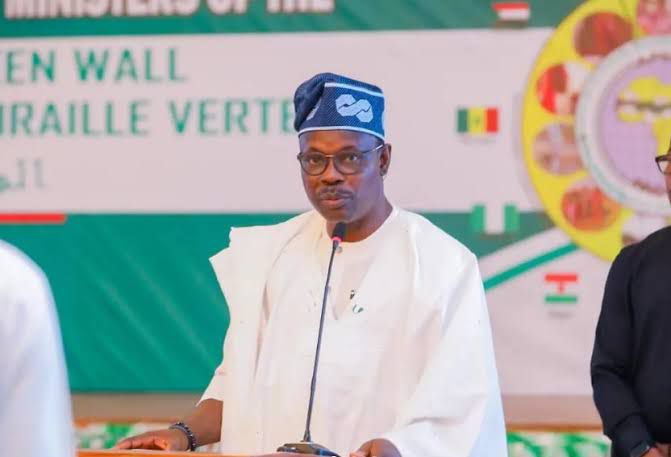
The Federal Government has reaffirmed its commitment to strengthening telemedicine and digital health systems as part of efforts to achieve Universal Health Coverage (UHC) and ensure equitable access to quality healthcare across Nigeria.
Minister of State for Health and Social Welfare, Dr. Iziaq Salako, disclosed this in Abuja during the Nigeria Telehealth Conference 2025, themed “Scaling Telehealth for Universal Health Coverage in Nigeria: Pathway to Sustainability.”
Describing the conference as a major milestone in Nigeria’s digital health journey, Salako said technology remains a powerful tool for transforming healthcare delivery and addressing workforce shortages, particularly in rural and underserved communities.
“Telemedicine bridges workforce shortages and connects under-resourced communities to qualified doctors,” the minister said.
He added that President Bola Ahmed Tinubu’s Renewed Hope Agenda places strong emphasis on equitable, affordable, and accessible healthcare for all Nigerians, ensuring that no one is left behind in the country’s ongoing health sector reforms.
Salako explained that the Nigerian Health Sector Renewal Investment Initiative and the Nigeria Digital in Health Initiative are key to building a modern, data-driven healthcare system.
The initiatives, he said, aim to promote secure health data management, foster innovation, and enhance evidence-based decision-making nationwide.
He further revealed that the ministry is finalizing guidelines and governance frameworks to strengthen quality assurance, data security, and accountability in telemedicine and digital health operations.
According to him, the forthcoming National Telehealth Sustainability Framework, set to be presented at the National Council on Health later this month, will provide a roadmap for integrating telemedicine into Nigeria’s healthcare structure.
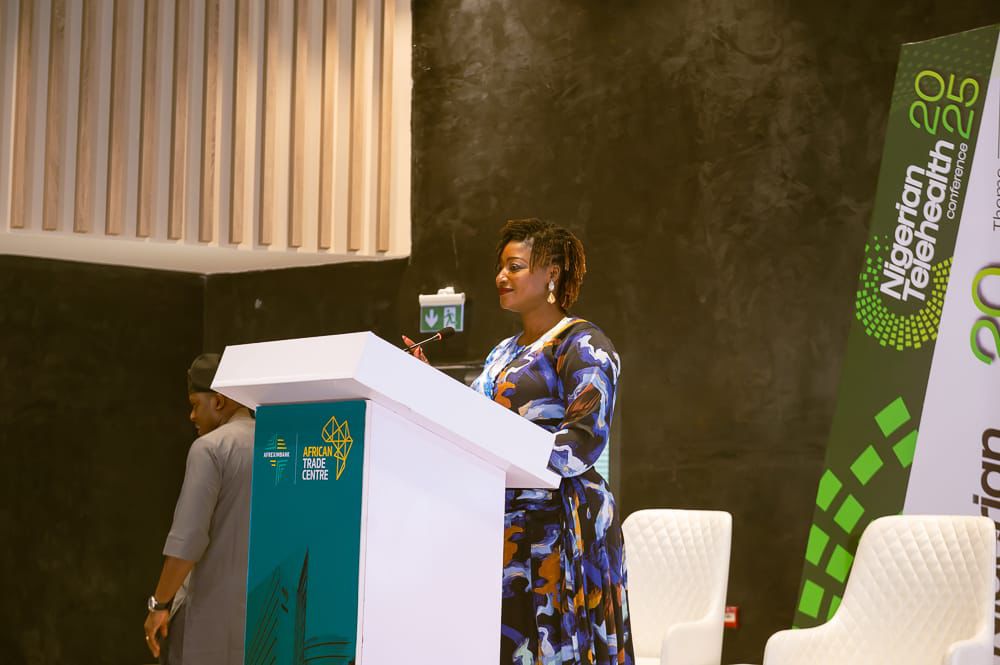
In her remarks, the Mandate Secretary for Health Services and Environment, FCT, Dr. Dolapo Fasawe, shared progress made with telemedicine projects in primary healthcare centres across the Federal Capital Territory.
She highlighted the first telemedicine booth at Dutse Makaranta Primary Health Centre, launched in partnership with MobiHealth International, noting that remote consultations had improved maternal health outcomes, increased skilled birth attendance from 25% to 102%, and connected patients with specialists nationwide.
Also speaking, Dr. Fumi Adewara stressed the importance of making telemedicine a permanent pillar of Nigeria’s healthcare system to promote inclusivity and accessibility.
“Quality healthcare is a right, not a privilege. Through telemedicine, we bring doctors closer to underserved Nigerians and bridge the urban–rural health divide,” Adewara said.
Director-General of the Nigeria Centre for Disease Control and Prevention (NCDC), Dr. Jide Idris, also commended the conference for highlighting the role of digital innovation in improving national health security.
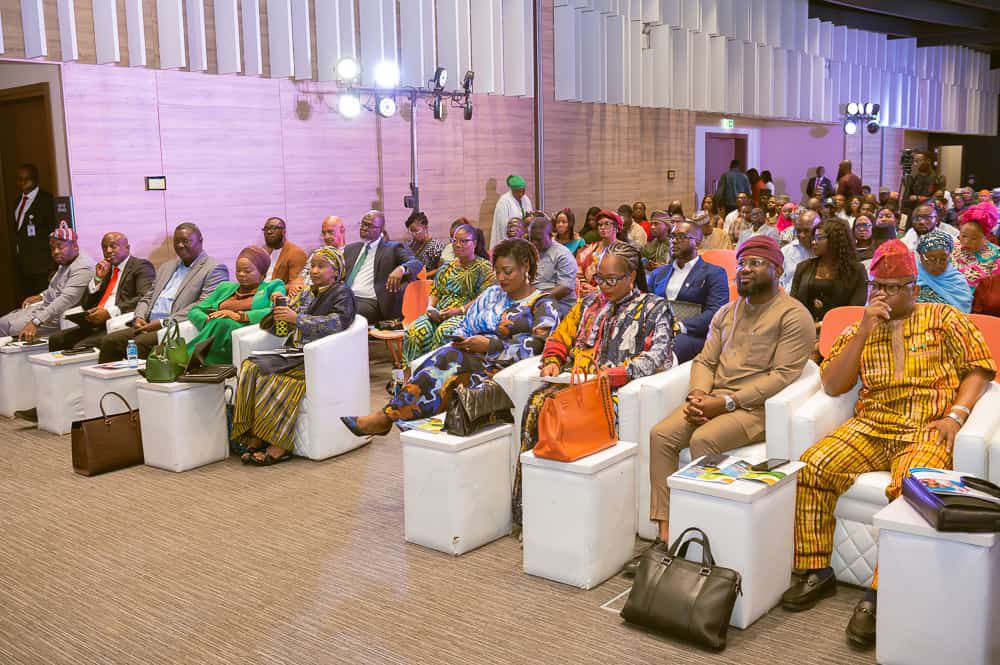
He noted that telemedicine enables real-time medical response and disease surveillance, particularly during outbreaks.


 Follow Us on Google Discover









Pope Leo XIV set to leave hospital after lung cancer surgery

Gunmen kill four vigilantes in Plateau community

Tension as traditional ruler collapses, dies in Ondo

2027: Kwankwaso a goat in sheep’s clothing, secretly working for Tinubu – Atiku Campaign Council

DSS arrests Maina’s fugitive son in Abuja, hands him over to EFCC

2027: Step down if you are not working for Tinubu – Deji Adeyanju dares Obi, Kwankwaso

2027: ‘I wont join my Uncle to support Tinubu’ – Davido says

Enugu NYSC death: NAFDAC debunks claims linking corps members death to fake drugs

33 Governors cannot be wrong in supporting Tinubu – Bayo Onanuga

Security forces arrest five suspects over abduction of 20 NYSC members in Imo

Rugby star Hyron Andrews dies at 31 after accidental fall in South Africa

LAUTECH Resident Doctors halt 50-day strike as Makinde intervenes

House Officers, Nurses, Radiographers, Others wanted as DELSUTH opens recruitment – Apply Now

FG raises health fund allocation to N40.76bn, extends insurance to prison inmates

Erisco Foods announces 13 job openings across Nigeria – Apply Now
Erisco Foods announces 13 job openings across Nigeria – Apply Now
‘You Betrayed Osun People’ — Adeleke, Davido face backlash over support for Tinubu

Ex-Senator Bello Mandiya’s body found in Abuja home three days after he slipped, hit his head in the bathroom

Tinubu reappoints Bala Bila as INEC commissioner, nominates six others
House Officers, Nurses, Radiographers, Others wanted as DELSUTH opens recruitment – Apply Now

JUST IN: Finnish Appeal Court reduces Simon Ekpa’s jail term to four years, upholds terrorism conviction

‘I love Islam, I’ve sent people to Mecca to pray for me, Nigeria for 25 years’ – Akpabio

Over 10 soldiers, four civilians feared dead as Boko Haram terrorists attack Borno military base

Panic in Rivers community as pipeline explosion injures 20, razes over 50 houses

Umahi reopens first Niger bridge after emergency repairs, displays Tinubu’s photos

Elon Musk unveils Tesla’s ‘flying’ car in stunning demonstration
2027: Step down if you are not working for Tinubu – Deji Adeyanju dares Obi, Kwankwaso

Tension mounts as NLC rejects FG’s response to 14-day ultimatum

2027: Tinubu to miss rallies in over 20 States as APC releases campaign timetable
