
National News
FG orders compulsory drug screening in secondary schools

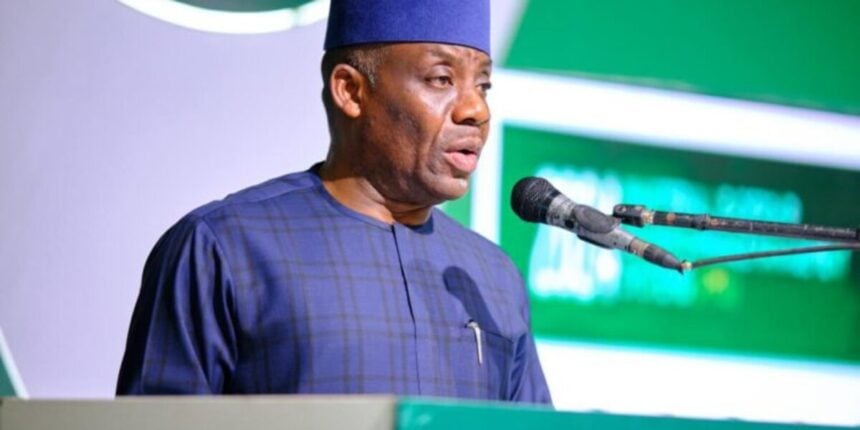
The Federal Government has rolled out stricter nationwide measures to curb drug and substance abuse in secondary schools across Nigeria, introducing mandatory drug testing for students, compulsory counselling, and structured rehabilitation pathways for those who test positive repeatedly.
The policy, contained in the National Implementation Guidelines Against Drug and Substance Use in Schools in Nigeria for Secondary Schools, requires all newly admitted students to undergo compulsory drug integrity tests at entry into secondary school. Schools are also mandated to conduct periodic and surprise screenings at least once every academic session in collaboration with approved health facilities.
Under the framework, students found positive for drug use will not be immediately expelled but will pass through a staged intervention process. The first stage involves counselling and initial treatment designed to identify students needing support and guide them towards recovery. A second positive result will trigger referral to professional care providers for more specialised treatment, while a third positive test may lead to temporary suspension from the school environment to allow for rehabilitation.
The guidelines also introduce mandatory pre-test and post-test counselling to reduce anxiety, improve cooperation, and ensure students understand the process and outcomes. Pre-test counselling is aimed at preparing students before screening, while post-test counselling is intended to help them cope with results and access appropriate support services.
Schools are required to establish disciplinary committees headed by school administrators to oversee enforcement, while cases involving violence linked to substance abuse are to be reported to law enforcement authorities. Students who refuse treatment or rehabilitation after testing positive may also face temporary removal from school until certified fit to return.
The policy explicitly prohibits possession or use of narcotic drugs or controlled substances without school approval, though it allows students on prescribed medication to declare such treatments through parents or guardians at admission.
Education stakeholders have linked the policy to rising concerns over drug use among adolescents, warning that substance abuse continues to affect academic performance, discipline, mental health, and safety within learning environments.
While some education and health experts describe the measures as a necessary intervention to protect students, others are expected to question the practical capacity of schools and health institutions to implement large-scale testing and rehabilitation nationwide, as well as safeguards for students’ rights and welfare.


 Follow Us on Google Discover







US networks suspend Trump coverage after White House bars three media outlets

BREAKING: Dangote refinery cuts petrol price to N1,325 per litre

‘It’s Not Only Me’ — Wike lists G5 Governors who have benefited under Tinubu

Obi supporters won Rivers only in their imagination – Wike

BREAKING: Tinubu extends vacation by one week, expected to return Weekend

2027 Will be the easiest election for Tinubu, I’ll Deliver FCT, Rivers — Wike

BREAKING: Live or Dead, I’ll never support Uzodinma to become Senate President of Nigeria — Wike

Alleged rights violation: Fagbemi seeks dismissal of El-Rufai’s N1bn suit

Alleged forgery: Court frees Uche Nnaji’s passport, clears way for overseas medical treatment

21 Days have come and gone, you are still on vacation, who is in charge of Nigeria – Atiku tackles Tinubu

JAMB fires staff over alleged extortion of candidates

2027: APM names Safriel Glah as running mate for Adamawa governorship poll

Protest rock Taraba Nursing College as hoodlums attack female hostel, rape student

By what magic are you going to force people to farm? – Sowunmi knocks Peter Obi

“The Pits You Dig for Me, You Shall Fall Into It – Sen. Natasha blast Akpabio over leaked audio

BREAKING: Tinubu confirms absence from 81st UN General Assembly in New York, directs Shettima to lead Nigerian delegation

Tinubu to appoint Wike as Rivers, FCT campaign council coordinator amid rift with APC Govs

NSCDC releases names of 37 suspected illegal miners who died in custody (Full list)

Crisis looms in NDC as OK Movement clash with pary chairman, Head of Operations resign over campaign council list

Hardship: Civil Servants ask Tinubu to stabilise petrol at N500, pay N500,000 minimum wage
“The Pits You Dig for Me, You Shall Fall Into It – Sen. Natasha blast Akpabio over leaked audio

Mambilla Project: EFCC opens probe into Adesanya, Atiku, Malami, others named in Tribunal Award
21 Days have come and gone, you are still on vacation, who is in charge of Nigeria – Atiku tackles Tinubu

Falconets crash out of 2026 U-20 Women’s World Cup after 1-0 loss to Colombia

UNGA: Tinubu afraid of becoming Trump’s next Nicolas Maduro – Atiku

‘Why are afraid of entering America?’, Atiku blasts Tinubu for missing third consecutive UNGA
By what magic are you going to force people to farm? – Sowunmi knocks Peter Obi

NDLEA seizes N3.4bn drugs, nab fake cop, mechanic

2027: ‘Obi will defeat Tinubu by a wider margin in Lagos’ — NDC
