
National News
FG unveils Lead Elimination Policy, expands diagnostic network nationwide

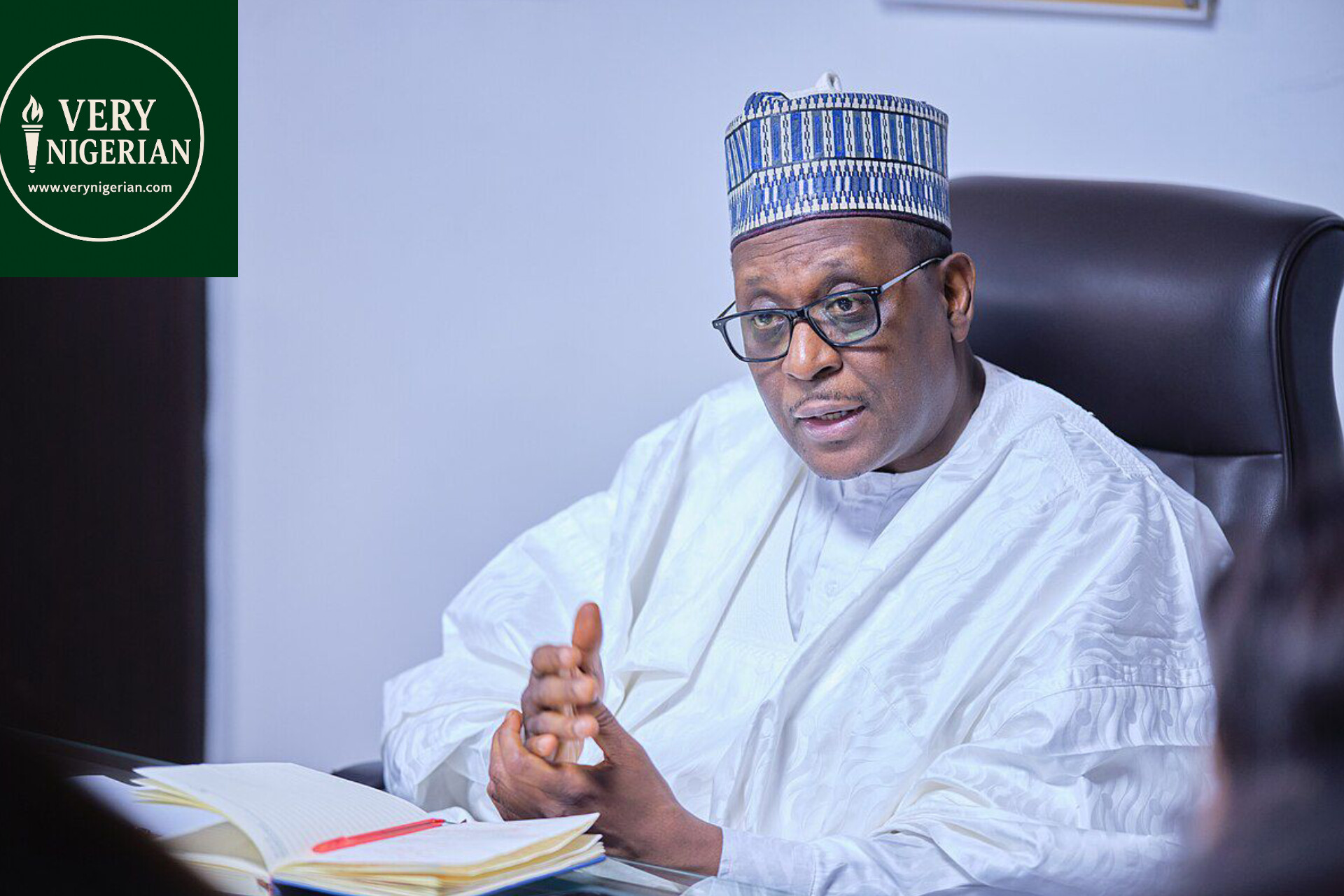
The Federal Government has announced plans to strengthen Nigeria’s diagnostic and laboratory network for nationwide blood lead testing as part of efforts to tackle lead poisoning and enforce stricter regulations on lead in paints, food, water, and consumer products.
Speaking in Abuja during the National Lead Poisoning Elimination Day, the Minister of Health and Social Welfare, Prof. Ali Pate, said the initiative would focus on protecting vulnerable groups, especially children and pregnant women.
Pate, represented by the ministry’s Permanent Secretary, Daju Kachollom, disclosed that the government would soon launch the National Lead Elimination Policy and Strategic Plan, which sets clear goals, funding mechanisms, and strategies to boost diagnostic capacity, improve surveillance, and expand access to treatment nationwide.
He noted that the government would intensify surveillance in high-risk areas, distribute chelating agents for treatment, and train frontline health workers and state officials on early detection and community response.
He described lead poisoning as a “silent but deadly” threat that required urgent national attention.
“Nigeria has suffered multiple lead poisoning outbreaks, including tragic incidents in Zamfara (2010), Niger (2015), and Sokoto, where hundreds of children died due to unsafe mining and ore processing,” he said.
According to the World Health Organisation (WHO), lead exposure causes about 47,000 deaths annually in Africa, resulting in an estimated economic loss of $135 billion in productivity each year.
Pate described lead poisoning as “a serious public health emergency that undermines human capital development,” noting that lead is a potent neurotoxin that affects the brain, nervous system, and other vital organs.
“There is no safe level of lead exposure, and the youngest among us are the most vulnerable,” he added.
The minister said the new policy and five-year plan would encourage collaboration across ministries, including Health, Environment, Mines and Steel Development, Agriculture, and Water Resources, to ensure a coordinated prevention and response system.
Recently, the Federal Government inaugurated the National Inter-Agency Working Group on Lead Poisoning Elimination to strengthen surveillance and review regulatory frameworks.
With support from Médecins Sans Frontières (MSF), laboratory equipment has been deployed to high-risk states to boost testing capacity, while treatment is ongoing for affected children.
The Director of Public Health, Dr. Godwin Ntadom, reaffirmed the government’s commitment to protecting citizens from lead poisoning, describing it as one of the most preventable yet under-recognised health issues in Nigeria.
A representative of the Clinton Health Access Initiative (CHAI), Ms. Gegewa Maka, said the organisation had worked with Nigerian authorities for over a decade to enhance diagnosis and treatment.
She noted that a national study recently conducted by CHAI helped shape the new roadmap on lead prevention.
“This year’s theme, ‘No Safe Level,’ underscores the urgent need for coordinated action to end lead exposure,” Maka said, reaffirming CHAI’s support for strengthening inter-ministerial collaboration and data-driven interventions.


 Follow Us on Google Discover









Opposition will front a single candidate against Tinubu, announcement will be made few days to election – Lukman

La Liga: Unstoppable Barcelona beat Real Betis 5-2 to extend winning run

EPL: Super Eagles star Iwobi fires Fulham to first league victory

Ogun hospital under fire as Nurse dies of asthma attack amid alleged oxygen failure

Maryam Babangida Center for Women Devt gets first wheel chair ramp after 34 years

Shettima inaugurates Arewa for Asiwaju campaign office in Abuja

2027: ‘APM will beat Tinubu in 12 battleground states’ – Makinde’s campaign team

Veteran Journalist, diplomat Dele Cole dies at 86

Suspended NSCDC commandant apologises over deaths of suspected illegal miners in Niger

EPL: Martinez rushed to hospital after head injury as Chelsea beat Everton

COAS arrives Borno as Military moves to clear terrorist camps, rescue abductees

Macky Sall quits race for UN Secretary-General position

Buhari backed Osinbajo’s presidential ambition four times, Akande tells Babachir Lawal

Dr. Benjamins‑Laniyi urges media to amplify women’s leadership, adopt gender‑sensitive reporting

Pope Leo XIV set to leave hospital after lung cancer surgery

Erisco Foods announces 13 job openings across Nigeria – Apply Now

2027: Step down if you are not working for Tinubu – Deji Adeyanju dares Obi, Kwankwaso

House Officers, Nurses, Radiographers, Others wanted as DELSUTH opens recruitment – Apply Now

Tinubu reappoints Bala Bila as INEC commissioner, nominates six others

Elon Musk unveils Tesla’s ‘flying’ car in stunning demonstration

2027: Kwankwaso a goat in sheep’s clothing, secretly working for Tinubu – Atiku Campaign Council

33 Governors cannot be wrong in supporting Tinubu – Bayo Onanuga

2027: Tinubu to miss rallies in over 20 States as APC releases campaign timetable

Security forces arrest five suspects over abduction of 20 NYSC members in Imo

2027: ‘Don’t trust your destiny to ‘kalokalo’ people’ – Wike warns Rivers voters against Atiku, Amaechi, Obi

Atiku fully fit, ready to campaign in all 36 states, interact with Nigerians – ADC PCC

Gunmen storm Plateau, kill traditional ruler at residence

Outrage as suspected cultists unveil renovated police post in Rivers

BREAKING: Oyebanji makes history as first Ekiti Governor to win second consecutive term
