
News
How Dangote Refinery transformed Nigeria from importer to exporter of fuel – Devakumar Edwin

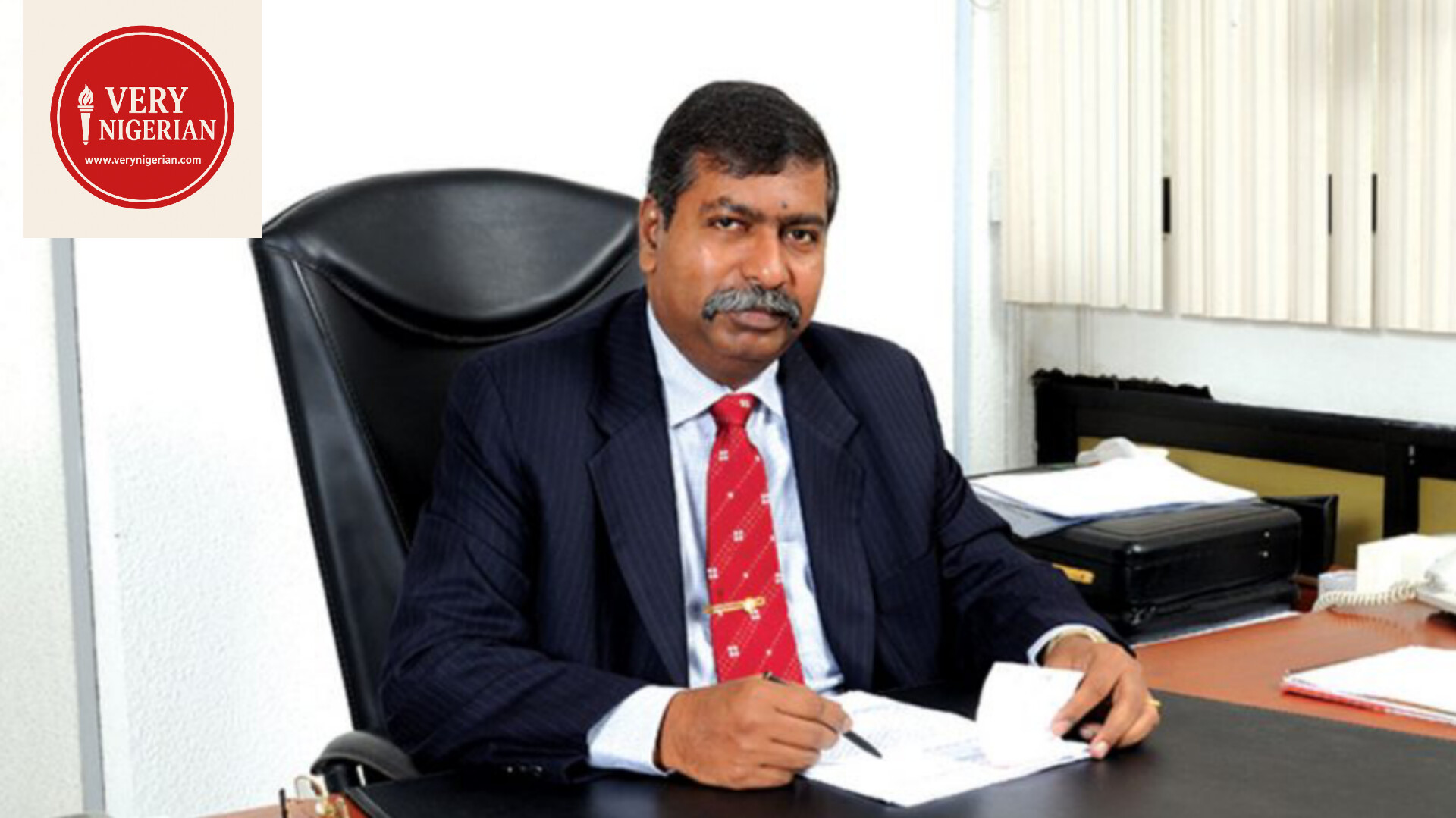
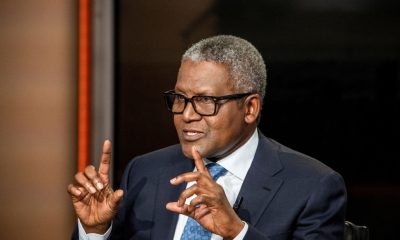
The Vice President of Dangote Oil and Gas Refinery, Mr. Devakumar Edwin, has revealed that the newly built Dangote Refinery now serves as a strategic national reserve for Nigeria.
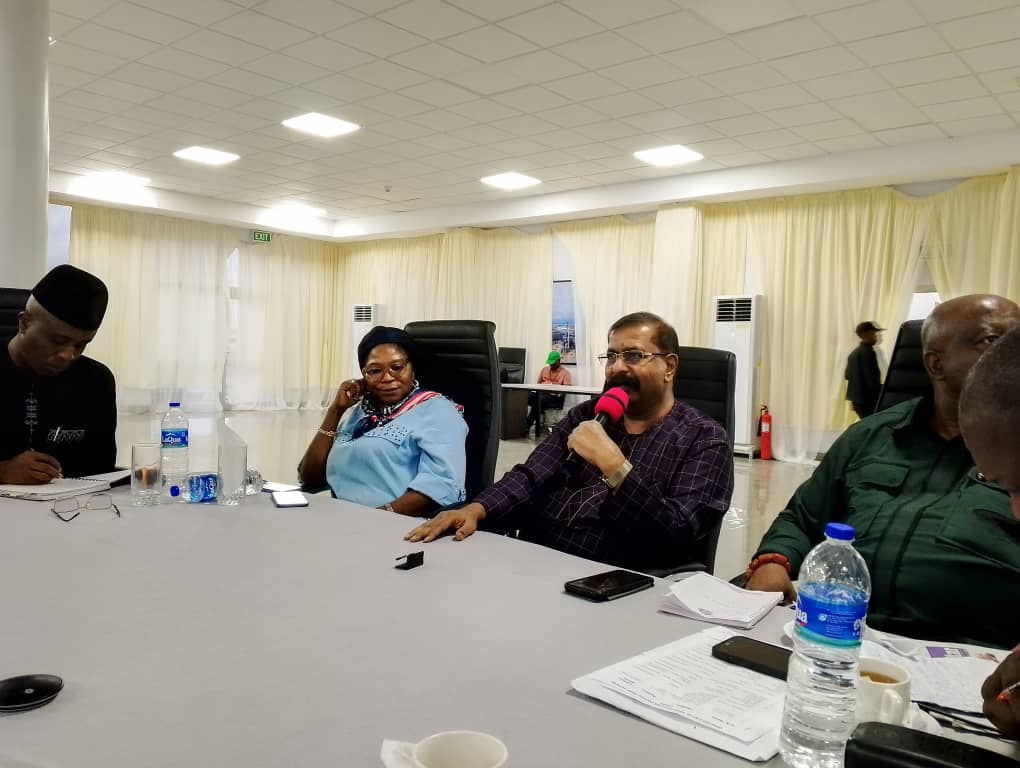
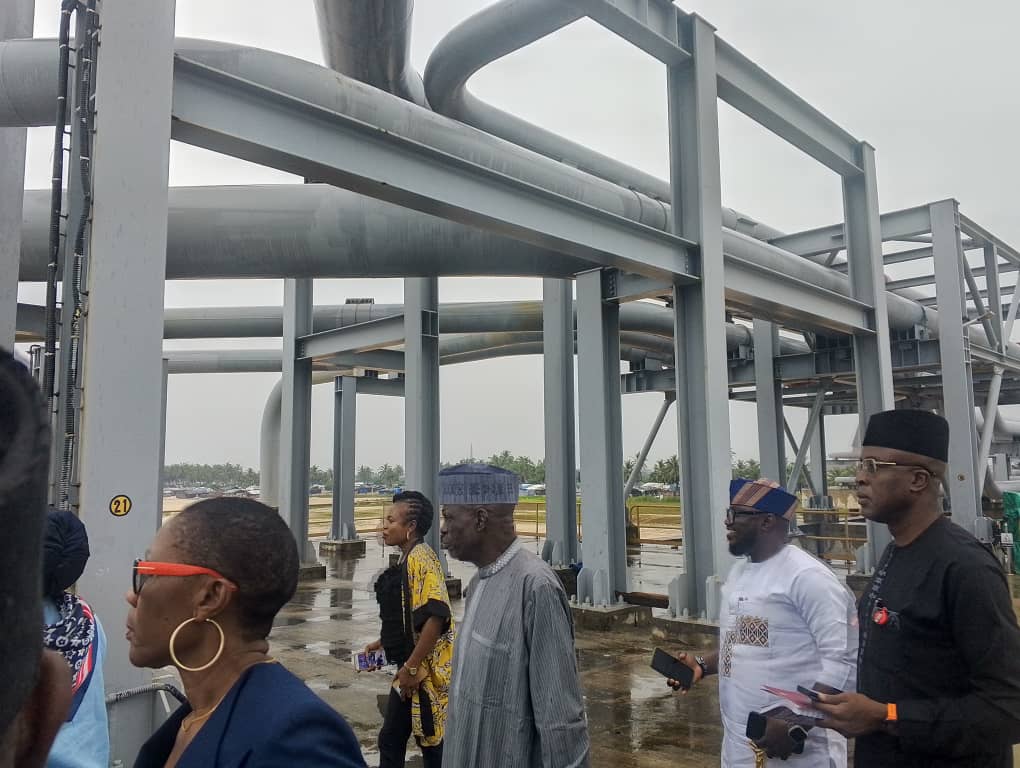
Speaking during a media tour of the refinery located at the Lekki Free Trade Zone in Lagos State, Edwin told news editors from various media organizations including Very Nigerian that the country had long suffered fuel shortages during festive seasons due to the absence of a national reserve.
He noted that with the establishment of the Dangote Refinery, such scarcity has become a thing of the past because of its massive storage capacity.
According to him, “Often, we used to run short of fuel, especially during Christmas season or when airports had issues.
Here, we can hold more than 15 days’ worth of fuel for the entire country. For diesel, we can store over one month’s supply, while for PMS, we can hold more than 15 days’ stock, and even more for jet fuel.
What we have here is like a national strategic reserve. Most countries have theirs, but unfortunately, Nigeria didn’t have because we lacked storage facilities.”
Edwin described the construction of the refinery as a remarkable achievement by a Nigerian company, adding that it was nearly impossible for a local firm to undertake such a massive project.
He said Aliko Dangote, the company’s president, was determined to make it a reality, leading to the establishment of the world’s largest single-train petroleum refinery.
“Before we set it up, the largest single-train refinery in the world was 430,000 barrels per day in the Middle East. What we have built is 50% larger.
Even the licensors doubted it was possible, but we worked with them to design and develop it. What makes us even prouder is that a
Nigerian company built it.
Across the world, refineries are constructed by big international firms like Bechtel, Technip, JGC, and others, but Dangote Projects Limited built this one.
They told us it would cost about $20 billion, with an additional $3 billion in contractor fees, but our chairman said, ‘Nothing is impossible,’ and we went ahead to do it ourselves.”
“Every Nigerian should be proud of that,” he said.
Edwin further explained that the Dangote Refinery has transformed Nigeria’s economy, turning the country from a major importer of petroleum products into an exporter to Europe, the United States, and Asia.
He noted that the refinery has stabilized fuel supply and prices, reduced pressure on foreign exchange, and contributed to the strengthening of the naira.
“You can see we are exporting all our jet fuel mainly to Europe, our gasoline to the U.S., and our diesel to Europe.”
“We now have consistent, high-quality fuel supply. After the subsidy was removed, prices went up and later stabilized. For the first time, fuel prices have come down in Nigeria.”
“The refinery has added value not only in quality and supply but also in pricing. It has reduced forex outflow, generated forex inflow, and stabilized the naira. If we continue this way, the currency will keep improving,” he added.
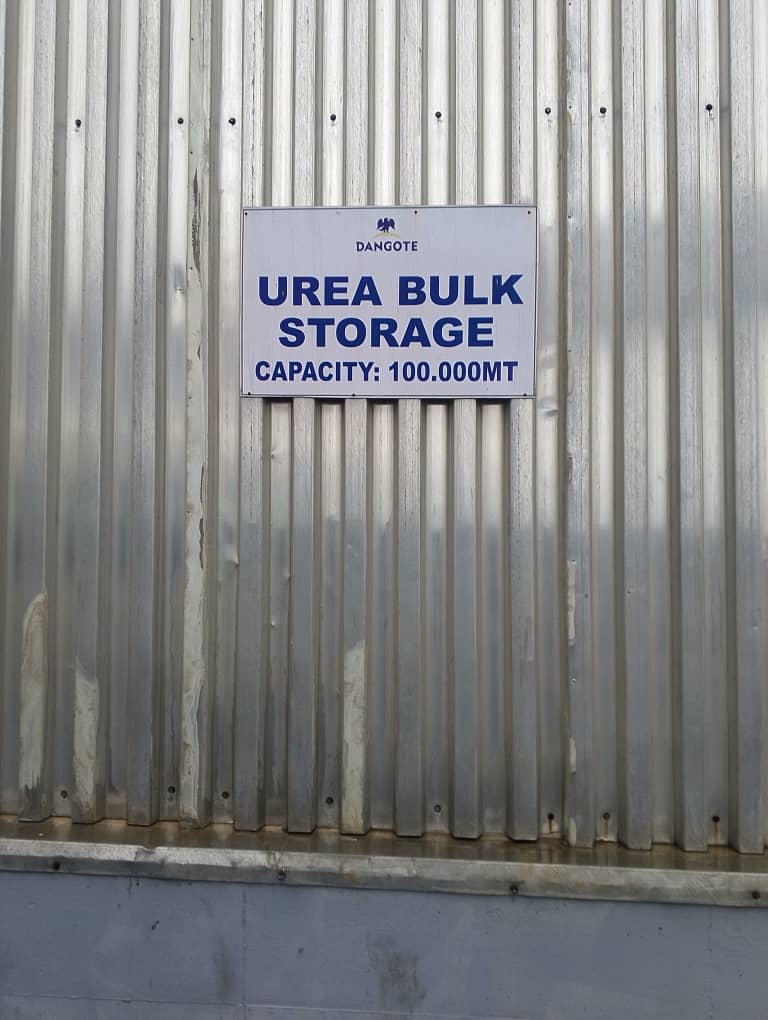
Edwin also noted that the Dangote Oil and Gas Refinery includes a fertilizer plant with an annual production capacity of two million tonnes, far exceeding Nigeria’s national requirement of 750,000 tonnes.
He said this would make fertilizer readily available and affordable, encouraging more Nigerians to venture into commercial agriculture.
The refinery, he said, has also created numerous employment opportunities, especially for young Nigerian engineers, helping to reduce the country’s unemployment rate.
He expressed optimism that this success story would inspire more Nigerian entrepreneurs to invest in the nation’s manufacturing sector.


 Follow Us on Google Discover





Tension as traditional ruler collapses, dies in Ondo

2027: Kwankwaso a goat in sheep’s clothing, secretly working for Tinubu – Atiku Campaign Council

DSS arrests Maina’s fugitive son in Abuja, hands him over to EFCC

2027: Step down if you are not working for Tinubu – Deji Adeyanju dares Obi, Kwankwaso

2027: ‘I wont join my Uncle to support Tinubu’ – Davido says

Enugu NYSC death: NAFDAC debunks claims linking corps members death to fake drugs

33 Governors cannot be wrong in supporting Tinubu – Bayo Onanuga

Security forces arrest five suspects over abduction of 20 NYSC members in Imo

Rugby star Hyron Andrews dies at 31 after accidental fall in South Africa

LAUTECH Resident Doctors halt 50-day strike as Makinde intervenes

House Officers, Nurses, Radiographers, Others wanted as DELSUTH opens recruitment – Apply Now

FG raises health fund allocation to N40.76bn, extends insurance to prison inmates

Erisco Foods announces 13 job openings across Nigeria – Apply Now

Tinubu reappoints Bala Bila as INEC commissioner, nominates six others

2027: ‘Don’t trust your destiny to ‘kalokalo’ people’ – Wike warns Rivers voters against Atiku, Amaechi, Obi
Erisco Foods announces 13 job openings across Nigeria – Apply Now
‘You Betrayed Osun People’ — Adeleke, Davido face backlash over support for Tinubu

Ex-Senator Bello Mandiya’s body found in Abuja home three days after he slipped, hit his head in the bathroom
Tinubu reappoints Bala Bila as INEC commissioner, nominates six others

JUST IN: Finnish Appeal Court reduces Simon Ekpa’s jail term to four years, upholds terrorism conviction

Zamfara govt set to empower 36,176 residents with Dangote shares

Over 10 soldiers, four civilians feared dead as Boko Haram terrorists attack Borno military base

‘I love Islam, I’ve sent people to Mecca to pray for me, Nigeria for 25 years’ – Akpabio
House Officers, Nurses, Radiographers, Others wanted as DELSUTH opens recruitment – Apply Now

Umahi reopens first Niger bridge after emergency repairs, displays Tinubu’s photos

Elon Musk unveils Tesla’s ‘flying’ car in stunning demonstration

Panic in Rivers community as pipeline explosion injures 20, razes over 50 houses

Tension escalates as thugs attack NDC secretariat in Edo, destroy properties

Lagos govt announces 3-day traffic diversion on Independence bridge for emergency repairs
