
National News
INEC flags 268 voter records over suspected AI-generated photos, begins cleanup

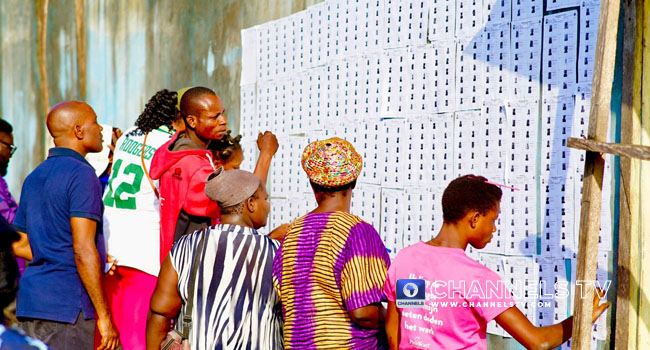
The Independent National Electoral Commission (INEC) says it has begun cleaning up its preliminary Register of Voters after identifying records with suspected AI-generated photographs and other irregularities.
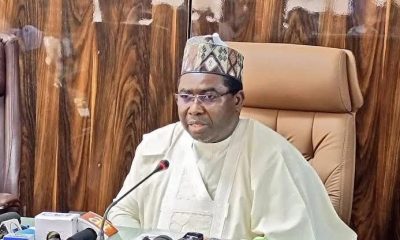
The commission’s Director of Information and Communication Technology, Lawrence Bayode, disclosed this during an interview on Channels Television’s Sunday Politics, saying INEC’s Automated Biometric Identification System (ABIS) had flagged 268 records for review.
“What we are currently doing now is looking at all these 268 records that ABIS already flagged as AI-generated or even something of irregularities,” Bayode said.
He explained that some individuals allegedly used their official credentials to create questionable voter profiles, exploiting a registration option intended for persons with disabilities who have incomplete or no fingers.
According to Bayode, the option, known as special registration, was allegedly used to deceive the system and was among the irregularities identified by ABIS.
He said the commission had begun removing records found to be irregular.
“Those that we have seen, we are cleaning up,” Bayode said.
However, Bayode clarified that INEC would not remove every photograph enhanced with artificial intelligence, distinguishing between images generated entirely by AI and genuine photographs improved using AI tools on mobile phones.
“Those that we know it is the AI on the phone that helped enhance their pictures, we can’t exclude such people because it was the AI on the phone that does that. Such people will still be on the register but those AI-generated, those photographs, all these will be removed. We are already looking at them,” he said.
The issue followed the publication of INEC’s preliminary Register of Voters online on October 26, after screenshots circulated on social media showing questionable photographs attached to voter records, including entries from parts of Edo State.
The concerns also included allegations of duplicate entries and reports that deceased persons’ names appeared on the register.
In response, INEC said the online register was the same preliminary version displayed physically at Registration Areas nationwide from October 9 to 15. The commission explained that the publication did not reflect all the data-cleanup activities already underway.
INEC also stressed that the register was not yet the final certified version, saying the display, claims and objections exercise was intended to give members of the public an opportunity to identify inaccuracies and questionable entries before certification.
The commission said it would complete the necessary verification, adjudication and data-cleanup processes before certifying the final Register of Voters on December 15, 2026.


 Follow Us on Google Discover








Nigeria’s Adegbuyi, Akekoromowei, Super Falcons make 2026 CAF women’s awards list

Iran issues deadly threat against US president in Tehran, displays massive ‘We will kill Trump’ billboard

Gunmen kidnap two visually impaired travellers in Plateau, demand N50m ransom

Spanish striker Jesús de Miguel dies at 30 after on-pitch collision

EPL: West Ham fires Nuno Espírito Santo as head coach

DSS has been gracious to Sowore, says Ughegbe

DSS releases four suspected IPOB members, pays N20m compensation

NDC appoints Ifeanyi Ibezi Anambra campaign coordinator ahead of 2027 elections

2027: ‘Vote ADC to at all levels’ – El-Rufai orders supporters

Peter Obi’s wife is Godmother to one of my children – Solution finally admits

Gwagwalada is burning up—and unchecked deforestation made it worse: by Oladosu Adebola Oluwaseun

Zamfara North: Kaura secures APC ticket after fresh primary election

Osun APC snubs Adeleke’s campaign council, announce parallel 168-Member campaign list for Tinubu’s re-election

14 Islamic school students kidnapped in Niger state

Customs names Mamman Ali acting Comptroller of Adamawa/Taraba command

Tinubu hosts Ribadu, Gbaja, Govs to dinner in Mecca

2027: Rig and say your final prayer – Dino Melaye sends strong warning to INEC

FG unveils USSD loan code for Nigerians to access credit for food, solar, others

BREAKING: Sokoto Gov’t seals ADC Office, hours to presidential campaign rally

INEC flags 268 voter records over suspected AI-generated photos, begins cleanup

‘Tinubu Is An Infidel’ – Islamic Cleric faults Tinubu’s Mecca trip, Egypt statement

‘Allah has answered my prayer to continue serving as Nigeria’s President’ – Tinubu

Yahaya Bello vows to relocate to Kano for two weeks, mobilize support for Tinubu

Tragedy as APM Chairman dies in fatal crash after Bauchi meeting

South-East has unanimously endorsed Tinubu, Shettima for 2027 – Ben Kalu

Tinubu failed Nigerians on constant power supply; I will ensure steady electricity if elected — Atiku

Arsenal end Anfield hoodoo With 1-0 win over Liverpool to reclaim top spot

N70,000 transport allowance: Civil Servants insist FG-labour deal will proceed despite TUC rejection

Banks raise prime lending rates despite CBN’s monetary policy cuts
