
News
‘It won’t solve Nigeria’s problem’, Oil Marketers (IPMAN, PETROAN) begs Atiku not to return petrol subsidy

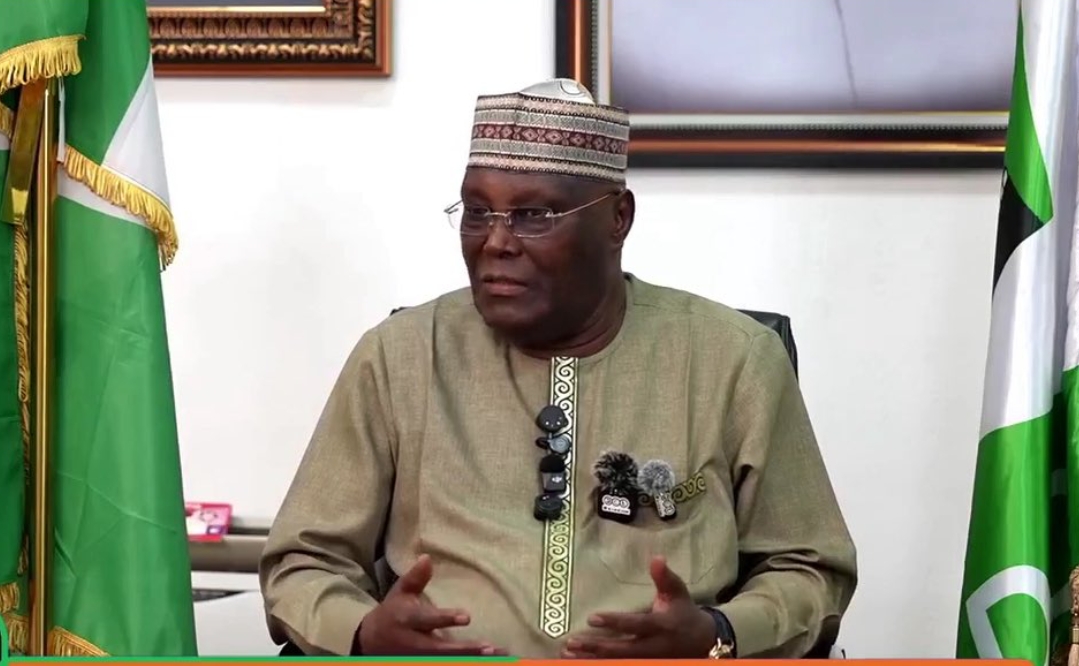
The Independent Petroleum Marketers Association of Nigeria (IPMAN) and the Petroleum Products Retail Outlets Owners Association of Nigeria (PETROAN) have rejected calls for the reinstatement of petrol subsidy, urging the Federal Government to focus instead on reviving Nigeria’s refineries and critical petroleum infrastructure.
The two petroleum marketers’ groups stated their positions in separate interviews with VERY NIGERIAN while reacting to former Vice President Atiku Abubakar’s recent call for the restoration of a targeted fuel subsidy if elected president in 2027.
IPMAN spokesperson, Chinedu Ukadike, argued that bringing back subsidy would not address the fundamental challenges affecting the downstream petroleum sector.
He said the priority should be the full rehabilitation of the Port Harcourt, Warri and Kaduna refineries, as well as the restoration of pipelines and the country’s 21 petroleum depots.
According to Ukadike, increased domestic refining capacity would promote competition, reduce dependence on imported petroleum products and help stabilise petrol prices.
“All these things are negative. The issue before this President is the restoration of all the refineries that are working in Nigeria. The restoration and revival of all the pipelines,” he said.
He added that the restoration of petroleum depots would also strengthen the distribution network and reduce pressure on the downstream market.
“Whether we remove subsidy or not does not arise because competition will calm down the price volatility and reduce prices drastically,” Ukadike said.
He further argued that greater domestic refining would reduce Nigeria’s exposure to fluctuations in the foreign exchange market and lessen dependence on imported petroleum products.
On his part, PETROAN National President, Billy Gillis-Harry, also opposed any attempt to return to the subsidy regime.
Gillis-Harry argued that the former subsidy system represented a major missed opportunity for Nigeria, claiming that government previously borrowed huge sums to fund petrol subsidies instead of investing in infrastructure and human capital development.
“The subsidy that we were operating under all the administrations was a stark loss of opportunity for the future of Nigeria,” he said.
According to him, the Federal Government was borrowing nearly N2 trillion to finance subsidy before President Bola Tinubu announced its removal on May 29, 2023.
He described the decision to remove the subsidy as necessary, arguing that all presidential candidates in the 2023 election had debated the policy.
“Subsidy removal was a subject of discussion by all the presidential candidates. So, if there is a reason why any one of them is thinking to say subsidy will be brought in the back, it shows that they don’t love Nigeria,” Gillis-Harry said.
He also questioned how the government would finance any proposal to reduce petrol prices to N500 per litre, asking whether such a policy would require fresh borrowing.
Gillis-Harry further challenged proponents of subsidy to provide clear calculations showing the cost of crude oil production and explaining precisely which component of the petroleum value chain should receive government support.
He also criticised Atiku’s record as former vice president, questioning what he described as limited achievements in the petroleum sector during his tenure.
Meanwhile, the PETROAN president maintained that the removal of subsidy had forced Nigerians to adopt greater financial discipline amid the changing economic environment.
The debate over petrol subsidy has intensified ahead of the 2027 presidential election, with Atiku advocating a targeted and capped intervention to reduce the cost of living, while supporters of the current policy argue that restoring subsidy would place additional pressure on government finances.
IPMAN and PETROAN, however, maintain that strengthening domestic refining, pipelines and petroleum distribution infrastructure offers a more sustainable route to reducing petrol prices than returning to a subsidy regime.


 Follow Us on Google Discover





NDDC opens applications for 2026/2027 local Master’s Scholarship – Apply Now

Sowore drags DSS, DG, AGF to Court, demands N5bn over alleged assault, abduction

Benue: Catholic Diocese orders closure of schools, hospital following repeated attacks

2027: ‘There is no rift between Wike and APC governors, both sides are united’ – Morka reveals

NNPC records N431bn profit as revenue rises to N3.74tn in August

INEC sets October 24 deadline for parties to challenge missing 2027 candidates

Viking stun Bayern Munich with thrilling 3-3 draw in Champions League

Arsenal hit Lille for three in seven minutes to maintain perfect Champions League start

Lookman scores as Atletico Madrid beat Manchester United 2-0 in Champions League

Super Falcons Thrash Comoros 5-0, advance to Third Round of Olympic qualifiers

Pope Leo XIV undergoes successful lung surgery at Rome hospital

Shell exits Nigeria gas distribution business in deal with Vaaris Energy

Tinubu seeks Senate’s approval of five bills on drug enforcement, safety, others

Osimhen, Lookman face Champions League tests against Barcelona, Man United

Digital Postcode: How to check your address, correct errors online

Dangote Group opens 86 vacancies in Engineering, Finance, Logistics, HR, other fields

ECOWAS Bank opens applications for 2026 Young Professionals Programme

BREAKING: Police arrest former Imo governor Rochas Okorocha in Abuja

BREAKING: APC revises Tinubu Campaign Council, names Wike, Adeleke, Soludo as FCT, Rivers, Osun, Anambra coordinators (Full List)

Christopher University announces staff recruitment for academic, administrative positions

Obafemi Awolowo University (OAU) opens 51 non-academic job vacancies in healthcare, other sectors – Apply Now

Names of 68 lawyers elevated to SAN rank (Full list)

2027: Economic hardship, appointments threaten Tinubu’s support in Northern Nigeria

Ex-Akwa Ibom University SUG President dies at Enugu NYSC camp

INEC disowns fake notice on six states as parties seek candidates’ inclusion

Ayra Starr makes African history, headlines NFL international game halftime show in London

JUST IN: Segun Ogunwuyi steps down as Makinde’s chief of staff

FG receives 105 Nigerians rescued in Ghana cybercrime crackdown

BREAKING: Makinde appoints Wolekanle as new Chief of Staff
