
News
NAPTIP frees 23 Nigerians trafficked to South-East Asia over forced cybercrime

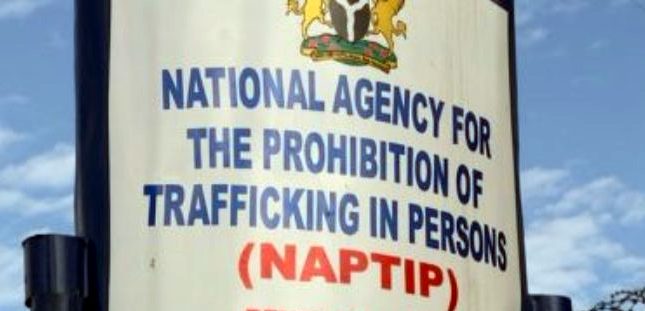
The National Agency for the Prohibition of Trafficking in Persons (NAPTIP) has rescued and brought back home 23 Nigerian youths who were trafficked to Thailand and other countries in South-East Asia for forced cybercrime.
The agency raised fresh concern over what it described as a dangerous new trend in human trafficking.
According to NAPTIP, the victims were lured with false promises of scholarships and well-paid jobs abroad.
Instead, they were taken to countries such as Myanmar, Thailand, Laos and Cambodia, where they were forced to engage in online criminal activities.
The trafficked youths were reportedly compelled to carry out romance scams, cryptocurrency fraud and fake investment schemes under harsh conditions.
The agency revealed that during interactions with the rescued youths, they disclosed that they were forced to defraud individuals and organisations in the United States, United Kingdom, Ethiopia, and Canada through various forms of online deception.
Those who refused to do the bidding of the traffickers were allegedly tortured to death inside a horror chamber called “the dark room,” while others had their organs harvested, especially the younger ones with no history of smoking, they further revealed.
According to the agency’s Head of Press and Public Relations, Mr. Vincent Adekoya, the rescue operation was carried out in collaboration with Eden (Myanmar), with support from the British Government and the Nigerian Embassy in Bangkok, which facilitated the issuance of Emergency Travel Certificates, for some of the victims.
He hinted that the development came “barely a few weeks after the Director-General of NAPTIP, Binta Bello, promised a hard time for human traffickers in the country. She had pledged improved collaboration and enhanced strategies to detect, dislodge and disorganise human trafficking networks targeting Nigerians.”
Speaking on the latest operation, Bello described the development as “disturbing” and a clear shift in the tactics of traffickers.
Alerting Nigerians to the new tactics of traffickers, Bello said: “This is a new dimension of the human trafficking phenomenon that targets vibrant and intelligent Nigerians. The traffickers go after boys and girls, who have one skill or the other, preferably computer and IT skills, and those who do not drink alcohol or smoke. They promise them scholarships and gainful employment.”
“On arrival in the destination country, the victims are trained in various scamming methods. Some of them are enrolled in language schools, preferably to learn Chinese, and within a short time graduate as translators and are offered the role of customer care agents to deceive their targets.
“The victims explained that they were compelled to target individuals and organisations from the United States of America, United Kingdom, Ethiopia and Canada for romance scams, investment scams, cryptocurrency scams and other online fraud.
“They were accommodated in hostels with bunk beds and provided with all the necessary gadgets and forced to go after their targets. They were monitored by fierce-looking mafia members, who tortured anyone who failed to meet daily targets.
“NAPTIP appreciates the support and collaboration of civil society organisations in the South Asia region, Eden (Myanmar), the British Government and the Nigerian Embassy in Bangkok, Thailand. The Embassy played a significant role in facilitating the repatriation process, including the issuance of Emergency Travel Certificates for some of the victims.”
She, therefore, warned Nigerians, particularly young job seekers, to exercise extreme caution regarding overseas scholarship and employment offers, stressing that traffickers have become increasingly sophisticated in luring unsuspecting victims into transnational criminal operations disguised as legitimate opportunities.


 Follow Us on Google Discover





Opposition will front a single candidate against Tinubu, announcement will be made few days to election – Lukman

La Liga: Unstoppable Barcelona beat Real Betis 5-2 to extend winning run

EPL: Super Eagles star Iwobi fires Fulham to first league victory

Ogun hospital under fire as Nurse dies of asthma attack amid alleged oxygen failure

Maryam Babangida Center for Women Devt gets first wheel chair ramp after 34 years

Shettima inaugurates Arewa for Asiwaju campaign office in Abuja

2027: ‘APM will beat Tinubu in 12 battleground states’ – Makinde’s campaign team

Veteran Journalist, diplomat Dele Cole dies at 86

Suspended NSCDC commandant apologises over deaths of suspected illegal miners in Niger

EPL: Martinez rushed to hospital after head injury as Chelsea beat Everton

COAS arrives Borno as Military moves to clear terrorist camps, rescue abductees

Macky Sall quits race for UN Secretary-General position

Buhari backed Osinbajo’s presidential ambition four times, Akande tells Babachir Lawal

Dr. Benjamins‑Laniyi urges media to amplify women’s leadership, adopt gender‑sensitive reporting

Pope Leo XIV set to leave hospital after lung cancer surgery

Erisco Foods announces 13 job openings across Nigeria – Apply Now

2027: Step down if you are not working for Tinubu – Deji Adeyanju dares Obi, Kwankwaso

House Officers, Nurses, Radiographers, Others wanted as DELSUTH opens recruitment – Apply Now

Tinubu reappoints Bala Bila as INEC commissioner, nominates six others

Elon Musk unveils Tesla’s ‘flying’ car in stunning demonstration

2027: Kwankwaso a goat in sheep’s clothing, secretly working for Tinubu – Atiku Campaign Council

33 Governors cannot be wrong in supporting Tinubu – Bayo Onanuga

2027: Tinubu to miss rallies in over 20 States as APC releases campaign timetable

Security forces arrest five suspects over abduction of 20 NYSC members in Imo

Gunmen storm Plateau, kill traditional ruler at residence

Atiku fully fit, ready to campaign in all 36 states, interact with Nigerians – ADC PCC

2027: ‘Don’t trust your destiny to ‘kalokalo’ people’ – Wike warns Rivers voters against Atiku, Amaechi, Obi

Outrage as suspected cultists unveil renovated police post in Rivers

2027: ‘Atiku, Obi, Duke, Makinde are not threats to Tinubu’, says APC
