
Politics
Political storm as INEC de-recognises ADC leaders, opposition cries foul

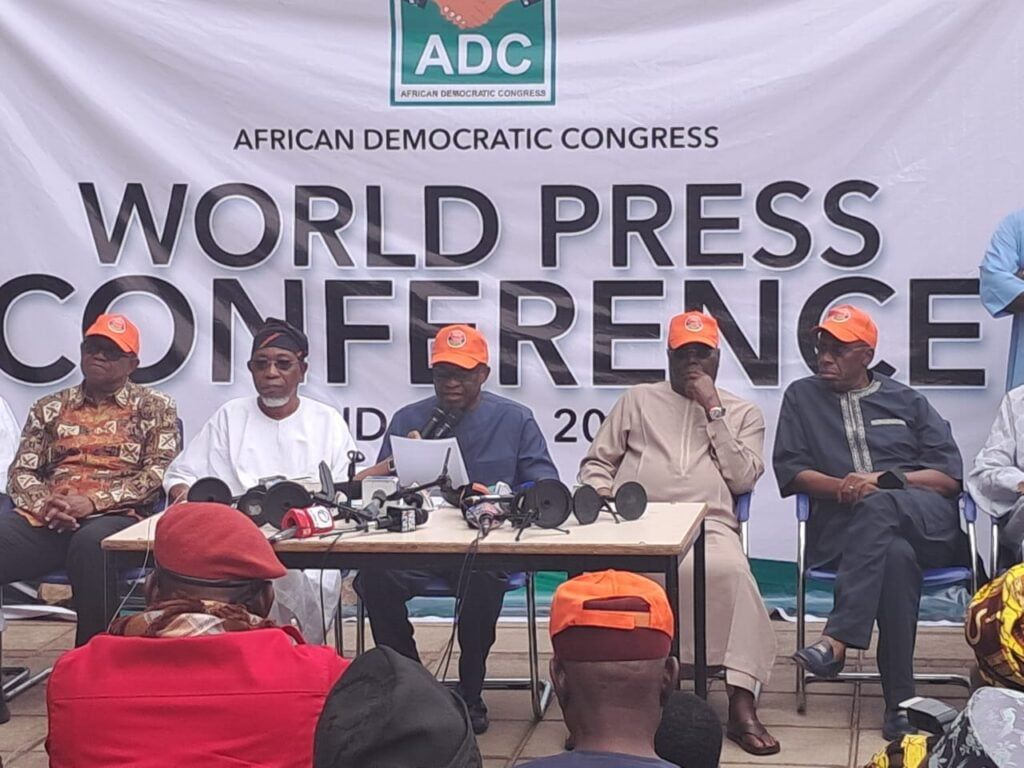
A major political storm has erupted across Nigeria following the decision of the Independent National Electoral Commission (INEC) to de-recognise David Mark and Rauf Aregbesola as National Chairman and National Secretary of the African Democratic Congress (ADC).
The move has triggered sharp reactions nationwide, exposing widening political divisions ahead of the 2027 general elections. While opposition figures allege a coordinated attempt to weaken them, the All Progressives Congress (APC) and the Presidency have dismissed such claims as unfounded.
Tensions escalated in Abuja as security operatives were deployed around INEC headquarters to prevent clashes between rival protest groups. Personnel of the Nigeria Police, Army, and other security agencies mounted surveillance around the commission’s office amid fears of unrest.
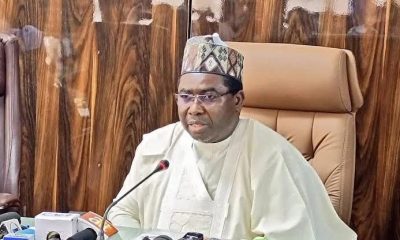
At a crowded press briefing in Abuja, ADC leaders led by Mark questioned President Bola Ahmed Tinubu, accusing his administration of undermining opposition parties despite controlling a majority of political structures nationwide.
“With 90% of the National Assembly and over 30 governors, what are you afraid of?” Mark asked, warning that INEC’s decision poses a threat to Nigeria’s multi-party democracy.
The ADC also accused INEC of misinterpreting a Court of Appeal ruling which directed parties to maintain the status quo ante bellum, arguing that the commission’s action has effectively left the party without leadership.
Despite the setback, the party vowed to proceed with its congresses and national convention, insisting that INEC’s presence is not a legal requirement. It also demanded the resignation of INEC Chairman, Joash Amupitan, citing loss of confidence in the electoral body.
However, INEC dismissed the calls, stating that the removal of its chairman is governed strictly by constitutional provisions and cannot be influenced by political pressure. The commission maintained that its actions were in compliance with court orders and aimed at preserving the rule of law.
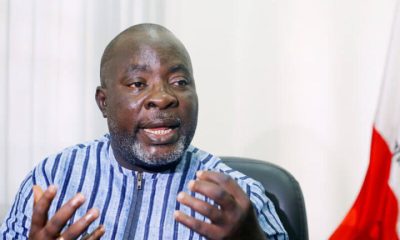
The APC, through its spokesperson, Felix Morka, described the ADC’s leadership crisis as self-inflicted, accusing the party of violating its own constitution and attempting to shift blame.
Similarly, presidential aide Bayo Onanuga advised the ADC to properly understand legal terms such as status quo and status quo ante bellum, dismissing the party’s allegations against the Presidency.
Prominent opposition voices, including Peter Obi, criticised the development, warning of a growing threat to democratic values. Socio-political groups such as Afenifere, Ohanaeze Ndigbo, and the Middle Belt Forum also expressed concerns, urging neutrality from electoral and government institutions.
The Peoples Democratic Party (PDP) warned that recent developments could tilt the political space in favour of the ruling party, raising fears about the credibility of the 2027 elections.
Despite the intensifying political exchanges, INEC reiterated that it would not recognise any faction within the ADC or monitor its activities until the courts deliver a final ruling on the leadership dispute.
The unfolding crisis underscores rising political tensions and uncertainty within Nigeria’s opposition landscape, as alliances shift and legal battles continue to shape the road to 2027.


 Follow Us on Google Discover





Opposition will front a single candidate against Tinubu, announcement will be made few days to election – Lukman

La Liga: Unstoppable Barcelona beat Real Betis 5-2 to extend winning run

EPL: Super Eagles star Iwobi fires Fulham to first league victory

Ogun hospital under fire as Nurse dies of asthma attack amid alleged oxygen failure

Maryam Babangida Center for Women Devt gets first wheel chair ramp after 34 years

Shettima inaugurates Arewa for Asiwaju campaign office in Abuja

2027: ‘APM will beat Tinubu in 12 battleground states’ – Makinde’s campaign team

Veteran Journalist, diplomat Dele Cole dies at 86

Suspended NSCDC commandant apologises over deaths of suspected illegal miners in Niger

EPL: Martinez rushed to hospital after head injury as Chelsea beat Everton

COAS arrives Borno as Military moves to clear terrorist camps, rescue abductees

Macky Sall quits race for UN Secretary-General position

Buhari backed Osinbajo’s presidential ambition four times, Akande tells Babachir Lawal

Dr. Benjamins‑Laniyi urges media to amplify women’s leadership, adopt gender‑sensitive reporting

Pope Leo XIV set to leave hospital after lung cancer surgery

Erisco Foods announces 13 job openings across Nigeria – Apply Now

2027: Step down if you are not working for Tinubu – Deji Adeyanju dares Obi, Kwankwaso

House Officers, Nurses, Radiographers, Others wanted as DELSUTH opens recruitment – Apply Now

Tinubu reappoints Bala Bila as INEC commissioner, nominates six others

Elon Musk unveils Tesla’s ‘flying’ car in stunning demonstration

2027: Kwankwaso a goat in sheep’s clothing, secretly working for Tinubu – Atiku Campaign Council

2027: Tinubu to miss rallies in over 20 States as APC releases campaign timetable

33 Governors cannot be wrong in supporting Tinubu – Bayo Onanuga

Atiku fully fit, ready to campaign in all 36 states, interact with Nigerians – ADC PCC

Security forces arrest five suspects over abduction of 20 NYSC members in Imo

Gunmen storm Plateau, kill traditional ruler at residence

Outrage as suspected cultists unveil renovated police post in Rivers

2027: ‘Atiku, Obi, Duke, Makinde are not threats to Tinubu’, says APC

2027: ‘Don’t trust your destiny to ‘kalokalo’ people’ – Wike warns Rivers voters against Atiku, Amaechi, Obi
