
Special Features
Preserving heritage, history, identity: Top 50 Efik names

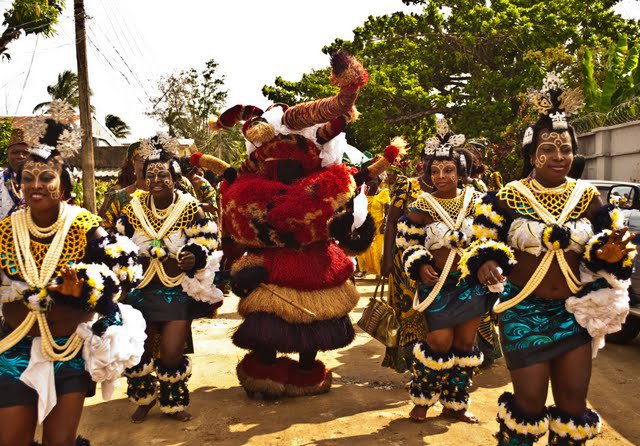
The Efik people are a major ethnic group in southern Nigeria, mainly found in Cross River State, especially in Calabar and its neighboring towns.
Historically, the Efik were known as skilled traders and middlemen during the trans-Atlantic trade.
They built strong cultural institutions, a rich language, and a well-organized traditional leadership system led by the Obong of Calabar.
Efik customs, festivals, and naming traditions remain a vital part of their identity. For the Efik, a name is far more than a simple label.
It connects a person to their family history, spiritual beliefs, birth circumstances, and the wider community heritage.
Many Efik names honor ancestors, acknowledge God (Abasi), or express hope and gratitude.
Some reflect the circumstances of a child’s birth, others serve as prayers for protection, prosperity, or virtue, while some recall historical events or carry proverbial wisdom.
Below is a list of 50 traditional Efik names still commonly used today:
1. Afiong
2. Asari
3. Andem
4. Anko
5. Ako
6. Amaku
7. Antan
8. Atim
9. Asibong
10. Asuquo
11. Bassey
12. Boco
13. Edem
14. Edet
15. Edim
16. Effiom
17. Effiong
18. Effangha
19. Ekanem
20. Ekaette
21. Ekaeyen
22. Ekong
23. Ekpe
24. Ekarika
25. Ekpenyong
26. Eniang
27. Ene
28. Eno
29. Essien
30. Etim
31. Inim
32. Inang
33. Inyang
34. Ikpeme
35. Ita
36. Itam
37. Iquo
38. Iyamba
39. Nkoyo
40. Nneette
41. Nnenne
42. Mmaette
43. Mmakim
44. Nsa
45. Obo
46. Obot
47. Offiong
48. Okon
49. Okpo
50. Oku
51. Uyi
These names carry stories, prayers, and histories, linking every individual to the rich cultural heritage of the Efik people.


 Follow Us on Google Discover

Kaduna couple, six-month-old child regain freedom after days in kidnappers den

Elon Musk unveils Tesla’s ‘flying’ car in stunning demonstration

Gunmen storm Plateau, kill traditional ruler at residence

Osun Police arrest three suspects over murder, recover weapons

Tension as unknown gunmen kidnap Catholic priest in Benue

2027: Tinubu to miss rallies in over 20 States as APC releases campaign timetable

‘What kind of humility is that?’ – Wike questions Obi over frequent IDP camp visits

Drug allegations: ‘Prove your innocence, allow FBI release records’ – US firm challenges Tinubu

2027: ‘Atiku, Obi, Duke, Makinde are not threats to Tinubu’, says APC

Panic in Rivers community as pipeline explosion injures 20, razes over 50 houses

‘I love Islam, I’ve sent people to Mecca to pray for me, Nigeria for 25 years’ – Akpabio

FAAC distributes N2.43trn among FG, states, LGs for September

‘You Betrayed Osun People’ — Adeleke, Davido face backlash over support for Tinubu

Senate launches probe into Corps member’s death at Enugu NYSC camp

Umahi reopens first Niger bridge after emergency repairs, displays Tinubu’s photos

Popular gospel singer Toluwanisings is dead

‘If you attempt suicide, make sure you die’ — Akpabio sparks outrage over suicide bill

2027: ‘I won’t go to every state with you’ — Tinubu tells APC campaign team

2027: Atiku, Obi, Makinde, Adebayo, Duke hold talks with six opposition parties

BREAKING: EFCC reopens investigation into Atiku following petition by ex-Lawmaker

Ex-Senator Bello Mandiya’s body found in Abuja home three days after he slipped, hit his head in the bathroom

I will make life affordable, provide better security if elected – Atiku urges Nigerians to get their PVCs, vote out Tinubu
‘You Betrayed Osun People’ — Adeleke, Davido face backlash over support for Tinubu

How to check if your phone is NCC-approved to avoid network blockage

‘Nobody can destabilise Tinubu through N’Assembly’, Akpabio declares support for 2027 re-election

2027 election: Wike acts in secret, brags in public – Rufai Oseni

JUST IN: Finnish Appeal Court reduces Simon Ekpa’s jail term to four years, upholds terrorism conviction

Zamfara govt set to empower 36,176 residents with Dangote shares

Ghana repatriates 120 Nigerians arrested in cybercrime crackdown
