Politics
Presidency warns Nigerians against Atiku’s plan to restore petrol subsidy, says its very risky plan

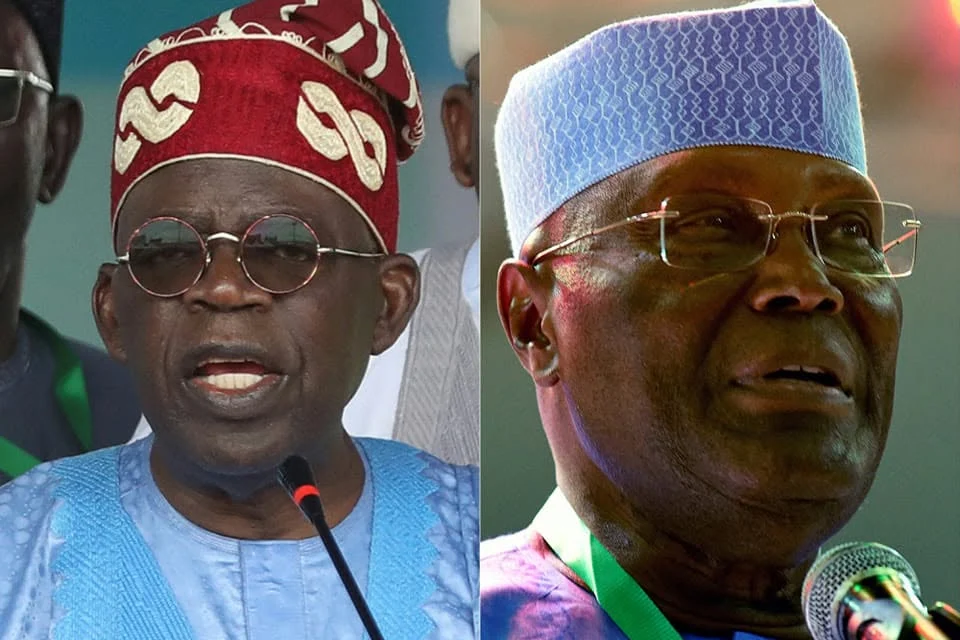
The Presidency has urged Nigerians to reject former Vice President Atiku Abubakar’s promise to restore the petrol subsidy if elected president in 2027, describing the proposal as a risky political move that could undermine Nigeria’s economic progress.
The Special Adviser to President Bola Ahmed Tinubu on Media and Public Communication, Sunday Dare, made the call in a statement posted on X while reacting to Atiku’s recent position on the subsidy.
In a statement titled “Atiku’s Subsidy U-Turn: The Bankruptcy of Desperate Ambition,” Dare accused the African Democratic Congress (ADC) presidential candidate of changing his position on subsidy removal for political reasons.
According to him, Atiku had previously supported the removal of the petrol subsidy but was now promising to restore it ahead of the 2027 presidential election because of the economic hardship Nigerians are experiencing.
Dare described the former vice president’s position as “political opportunism” and accused him of attempting to exploit public frustration with the effects of subsidy removal.
“To watch a self-styled statesman—who less than four years ago cast himself as an uncompromising apostle of market-driven reform—scramble to promise the reintroduction of petrol subsidies is nothing short of political apostasy,” Dare said.
He argued that Atiku’s current position contradicted the economic position he presented during the build-up to the 2023 presidential election.
According to Dare, Atiku had previously backed the removal of the subsidy and criticised the scheme as expensive and vulnerable to corruption.
Atiku defends subsidy U-turn
Atiku recently said his position had changed following the removal of the subsidy by President Tinubu in May 2023.
The former vice president made the statement during a Facebook Live session while responding to questions about the impact of the policy on Nigerians.
Atiku said he initially did not oppose the removal of the subsidy but questioned how the savings from the policy had been utilised.
“I initially did not oppose the removal of the fuel subsidy. But now that it has been removed, where is the money? Where has the subsidy money gone? Has it been used to improve healthcare, education or security?” he said.
He added: “If I win the presidential election, I will restore the subsidy. And anyone who stole Nigeria’s subsidy funds must return the money.”
Presidency defends Tinubu’s subsidy policy
President Tinubu announced the removal of petrol subsidy during his inauguration on May 29, 2023, arguing that Nigeria could no longer afford to continue funding the scheme.
The policy triggered a sharp increase in petrol prices and contributed to higher transportation, food and other living costs, placing additional pressure on households and businesses.
Tinubu has consistently defended the decision, arguing that resources previously committed to subsidy payments could instead be redirected towards infrastructure, healthcare, education, transportation and national security.
In a national broadcast in July 2023, the President said the subsidy had cost Nigeria trillions of naira annually and argued that the funds could be better deployed to public services.
Dare maintained that reversing the policy would jeopardise what he described as economic gains recorded under the Tinubu administration.
He said the former subsidy regime encouraged corruption and prevented government from deploying substantial resources to critical sectors.
“The old import subsidy regime was not merely a pricing mechanism; it was a black hole of rent-seeking, round-tripping, and monumental corruption that starved health, education, and infrastructure of vital capital,” Dare said.
He further warned that restoring the subsidy could undermine the growth of domestic refining and discourage private investment in Nigeria’s petroleum sector.
“Restoring it would instantly sabotage the nascent renaissance of local refining, crush private sector confidence, and plunge the country back into chronic foreign exchange haemorrhage,” he said.
The exchange between the Presidency and Atiku adds another major economic policy issue to the growing political debate ahead of the 2027 presidential election, with subsidy policy likely to remain a key point of contention among the major candidates.


 Follow Us on Google Discover








Umahi dismisses rift with Wike, says ‘we’re one family’

NYSC Kidnap: How I paid N6m to secure my son’s release from kidnappers – Mother

Veteran rapper Lord of Ajasa becomes US citizen

Canadian Poet Anne Carson clinches 2026 nobel prize in Literature

Amaechi ally, Sokonte Davies dumps ADC, returns to APC

NAF Crash: Aiyedatiwa orders sustained search for missing victims, aircraft

2027: Taraba is 100% behind Tinubu — Governor Kefas

Abuja court grants alleged fake JAMB registrar N50m bail

2027: Peter Obi will win with or without Igbos’ vote — Isaac Fayose

Supreme Court Verdict: Erring parties will not field candidates – INEC

2027: Ex-Militants declare support for Tinubu re-election

Fresh tragedy averted as NAF Helicopter lands on farmland in Benue

2027: Kano Gov reconciles APC leaders Barau Jibrin, Bichi

2027: ‘ADC ready to follow electoral rules, won’t be rigged out’ – David Mark

ASUSS defies NUT strike, orders FCT teachers to resume work

2027: Lagos leads as INEC unveils Top 10 States with highest number of voters

2027: Over 1,000 Islamic Clerics urge Tinubu not to contest, cite hardship, insecurity

2027: Tinubu, Govs afraid of contest, offering N50m, N200m, cars to opposition candidates to step down
‘Nigerians don’t hate Tinubu’ — Presidency rejects The Economist’s report

NAF Pilot dies in Ondo crash Two Weeks after wedding

2027: Mammoth crowd welcomes Maituta to Gusau ahead of campaign flag-off

BREAKING: Security forces rescue 20 NYSC members from abductors in Imo

EFCC rejects Diezani’s bid to present UK acquittal as evidence

Gov. Eno declares State of Emergency on Education, approves N50,000 allowance for Teachers

Akor Adams’ late goal seals thrilling 3-3 draw for Super Eagles against Russia

FG yields to SSANU ultimatum, releases eight months’ salary arrears

BREAKING: NLC begins indefinite strike over Teachers’ promotion in FCT

Military launches underwater search for crashed NAF ATR-42 aircraft in Ondo, deploys advanced sonar (Photos)

Rainbow Coalition: Wike, Chinda, Abe visit Fubara in Port Harcourt
