Politics
Security, economy tops list as Atiku sets agenda for US visit

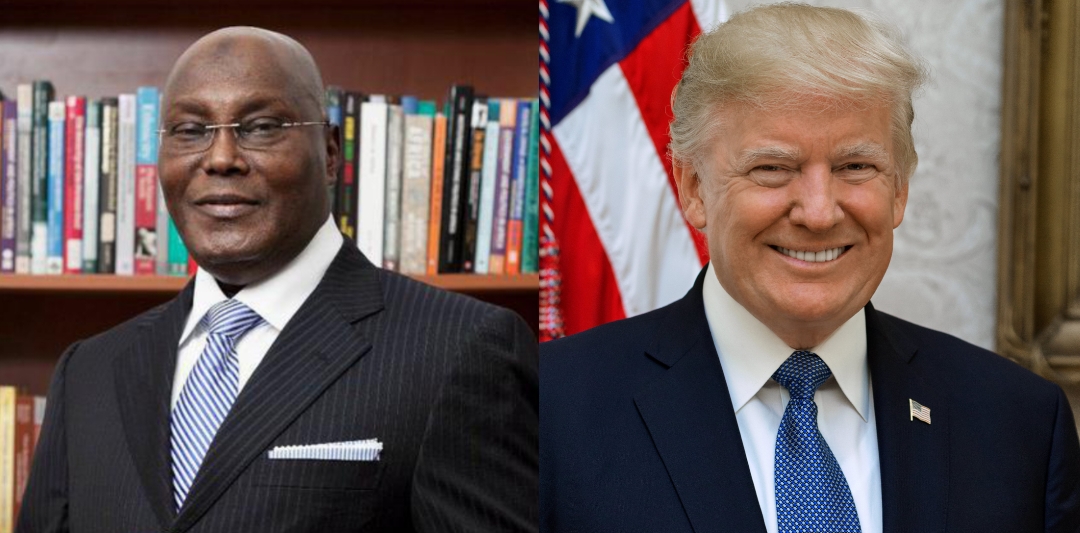
Former Vice President, Atiku Abubakar, has outlined the core issues that will shape his forthcoming engagement with policy and institutional stakeholders in the United States, placing Nigeria’s worsening security, governance, and economic challenges at the centre of his message.
In a statement released on Sunday, Atiku described the current state of the nation as a “full-blown internal crisis,” warning that the situation has deteriorated beyond the level of routine political debate or partisan interpretation.
He pointed to escalating violence across key regions of the country—from the North-West and North-East to the Middle Belt—as evidence that the state is struggling to fulfil its primary responsibility of protecting lives and property. According to him, the persistence of killings, kidnappings, and criminal activity reflects a deeper pattern of systemic failure rather than isolated security lapses.
Beyond insecurity, the former vice president expressed concern over Nigeria’s economic trajectory, noting that rising inflation, currency instability, and declining purchasing power have compounded the hardship faced by citizens. He attributed the situation to policy inconsistency and what he described as a lack of clear strategic direction, warning that public confidence in the economy continues to erode.
Atiku also raised questions about the health of the country’s democratic institutions, cautioning that declining trust in governance, accountability, and the electoral process could undermine national stability if not urgently addressed.
Responding to anticipated criticism of his planned international engagement, he dismissed claims that speaking to foreign stakeholders amounts to inviting external interference. He argued that Nigeria’s challenges are already visible on the global stage and that constructive engagement should be seen as part of responsible leadership.
According to him, while the sovereignty of leadership decisions rests solely with Nigerians, the country’s strategic importance means that global partners have a legitimate interest in its stability and governance standards.
In a pointed message to the current administration, Atiku urged a shift from what he described as complacency to decisive action, stressing that leadership must be measured by results rather than rhetoric. He called for a comprehensive reset of priorities aimed at restoring security, stabilising the economy, and rebuilding public trust.
He further encouraged citizens to remain actively engaged in national affairs, noting that meaningful change ultimately depends on the collective resolve of the Nigerian people.
Atiku concluded that Nigeria stands at a defining moment, warning that failure to confront existing challenges with honesty and urgency could deepen the country’s instability.
—
If you want, I can also convert this into a viral Facebook post, add engagement questions, or apply your signature bold formatting style.


 Follow Us on Google Discover






2027: Kwankwaso a goat in sheep’s clothing, secretly working for Tinubu – Atiku Campaign Council

DSS arrests Maina’s fugitive son in Abuja, hands him over to EFCC

2027: Step down if you are not working for Tinubu – Deji Adeyanju dares Obi, Kwankwaso

2027: ‘I wont join my Uncle to support Tinubu’ – Davido says

Enugu NYSC death: NAFDAC debunks claims linking corps members death to fake drugs

33 Governors cannot be wrong in supporting Tinubu – Bayo Onanuga

Security forces arrest five suspects over abduction of 20 NYSC members in Imo

Rugby star Hyron Andrews dies at 31 after accidental fall in South Africa

LAUTECH Resident Doctors halt 50-day strike as Makinde intervenes

House Officers, Nurses, Radiographers, Others wanted as DELSUTH opens recruitment – Apply Now

FG raises health fund allocation to N40.76bn, extends insurance to prison inmates

Erisco Foods announces 13 job openings across Nigeria – Apply Now

Tinubu reappoints Bala Bila as INEC commissioner, nominates six others

2027: ‘Don’t trust your destiny to ‘kalokalo’ people’ – Wike warns Rivers voters against Atiku, Amaechi, Obi

BREAKING: Cross River PDP Chairman Venatius Ikem resigns, cites leadership crisis
Erisco Foods announces 13 job openings across Nigeria – Apply Now

2027: Atiku, Obi, Makinde, Adebayo, Duke hold talks with six opposition parties
‘You Betrayed Osun People’ — Adeleke, Davido face backlash over support for Tinubu

Ex-Senator Bello Mandiya’s body found in Abuja home three days after he slipped, hit his head in the bathroom
Tinubu reappoints Bala Bila as INEC commissioner, nominates six others

JUST IN: Finnish Appeal Court reduces Simon Ekpa’s jail term to four years, upholds terrorism conviction

Zamfara govt set to empower 36,176 residents with Dangote shares

Over 10 soldiers, four civilians feared dead as Boko Haram terrorists attack Borno military base

‘I love Islam, I’ve sent people to Mecca to pray for me, Nigeria for 25 years’ – Akpabio

Umahi reopens first Niger bridge after emergency repairs, displays Tinubu’s photos

Lagos govt announces 3-day traffic diversion on Independence bridge for emergency repairs

‘Local champion’ – Donald Duke takes fresh swipe at Gov Diri over Lagos-Calabar coastal highway

Elon Musk unveils Tesla’s ‘flying’ car in stunning demonstration

Panic in Rivers community as pipeline explosion injures 20, razes over 50 houses
