
World
Venezuela: Casualties mount to 80 after US Forces invasion of Maduro

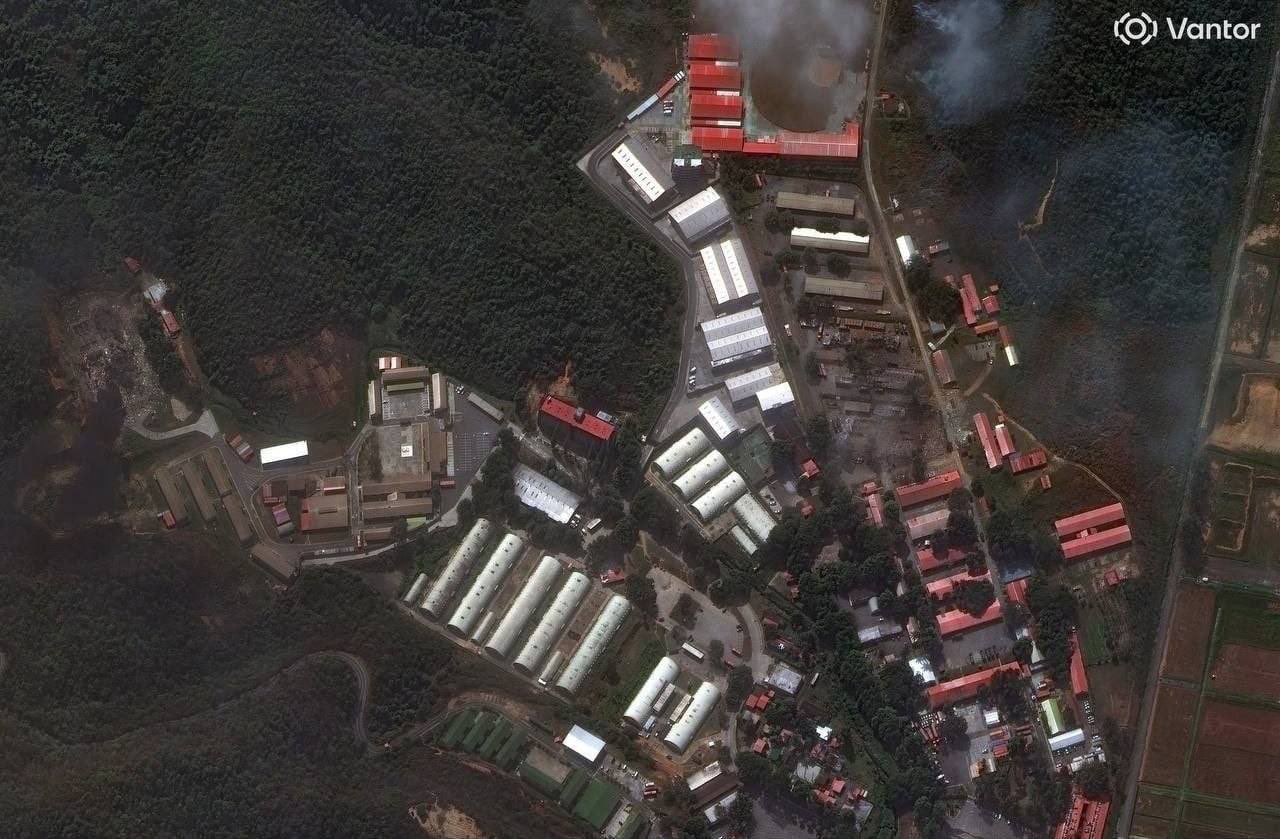
The death toll from Saturday’s United States invasion of Venezuela has risen to 80, according to a report by The New York Times.
The newspaper quoted a senior Venezuelan official as saying the casualties include civilians and members of the country’s security forces, adding that the figure could rise as rescue and recovery efforts continue.
Explosions rocked Caracas, Venezuela’s capital, in the early hours of Saturday, triggering panic across several neighbourhoods before US President Donald Trump announced on social media that American forces had successfully captured President Nicolás Maduro and his wife.
Hours later, Trump confirmed the operation during a press briefing, declaring that the United States would assume control of Venezuela’s affairs pending a political transition.
“We don’t want to be involved with having somebody else get in and end up with the same situation we’ve had for a long period of years,” Trump said, adding that any transition “has to be judicious”.
He described the military operation as “an incredible thing to see,” stressing that no American soldiers were killed and that no US military equipment was lost during the strike.
However, Venezuela’s Defence Minister on Sunday rejected suggestions that the United States would “run” the country, insisting that Venezuela remained sovereign despite the capture of its leader.
The White House, on its part, said it expects Venezuela’s interim leadership under Delcy Rodríguez to comply with US demands following Maduro’s removal.
Trump also warned that further military action could follow, particularly against alleged drug trafficking networks operating within Venezuela, noting that additional land strikes could begin soon.
In October, Trump disclosed that he had authorised the Central Intelligence Agency (CIA) to operate inside Venezuela to curb the flow of illegal migrants and narcotics from the South American nation.
Saturday’s strikes came after months of increased US military buildup and heightened strategic presence in the region.


 Follow Us on Google Discover













Opposition will front a single candidate against Tinubu, announcement will be made few days to election – Lukman

La Liga: Unstoppable Barcelona beat Real Betis 5-2 to extend winning run

EPL: Super Eagles star Iwobi fires Fulham to first league victory

Ogun hospital under fire as Nurse dies of asthma attack amid alleged oxygen failure

Maryam Babangida Center for Women Devt gets first wheel chair ramp after 34 years

Shettima inaugurates Arewa for Asiwaju campaign office in Abuja

2027: ‘APM will beat Tinubu in 12 battleground states’ – Makinde’s campaign team

Veteran Journalist, diplomat Dele Cole dies at 86

Suspended NSCDC commandant apologises over deaths of suspected illegal miners in Niger

EPL: Martinez rushed to hospital after head injury as Chelsea beat Everton

COAS arrives Borno as Military moves to clear terrorist camps, rescue abductees

Macky Sall quits race for UN Secretary-General position

Buhari backed Osinbajo’s presidential ambition four times, Akande tells Babachir Lawal

Dr. Benjamins‑Laniyi urges media to amplify women’s leadership, adopt gender‑sensitive reporting

Pope Leo XIV set to leave hospital after lung cancer surgery

Erisco Foods announces 13 job openings across Nigeria – Apply Now

2027: Step down if you are not working for Tinubu – Deji Adeyanju dares Obi, Kwankwaso

House Officers, Nurses, Radiographers, Others wanted as DELSUTH opens recruitment – Apply Now

Tinubu reappoints Bala Bila as INEC commissioner, nominates six others

Elon Musk unveils Tesla’s ‘flying’ car in stunning demonstration

2027: Kwankwaso a goat in sheep’s clothing, secretly working for Tinubu – Atiku Campaign Council

33 Governors cannot be wrong in supporting Tinubu – Bayo Onanuga

2027: Tinubu to miss rallies in over 20 States as APC releases campaign timetable

Security forces arrest five suspects over abduction of 20 NYSC members in Imo

2027: ‘Don’t trust your destiny to ‘kalokalo’ people’ – Wike warns Rivers voters against Atiku, Amaechi, Obi

Atiku fully fit, ready to campaign in all 36 states, interact with Nigerians – ADC PCC

Gunmen storm Plateau, kill traditional ruler at residence

Outrage as suspected cultists unveil renovated police post in Rivers

BREAKING: Oyebanji makes history as first Ekiti Governor to win second consecutive term
