
News
“We’ve become timid before power” — Ndoma-Egba decries Nigeria’s weak institutions

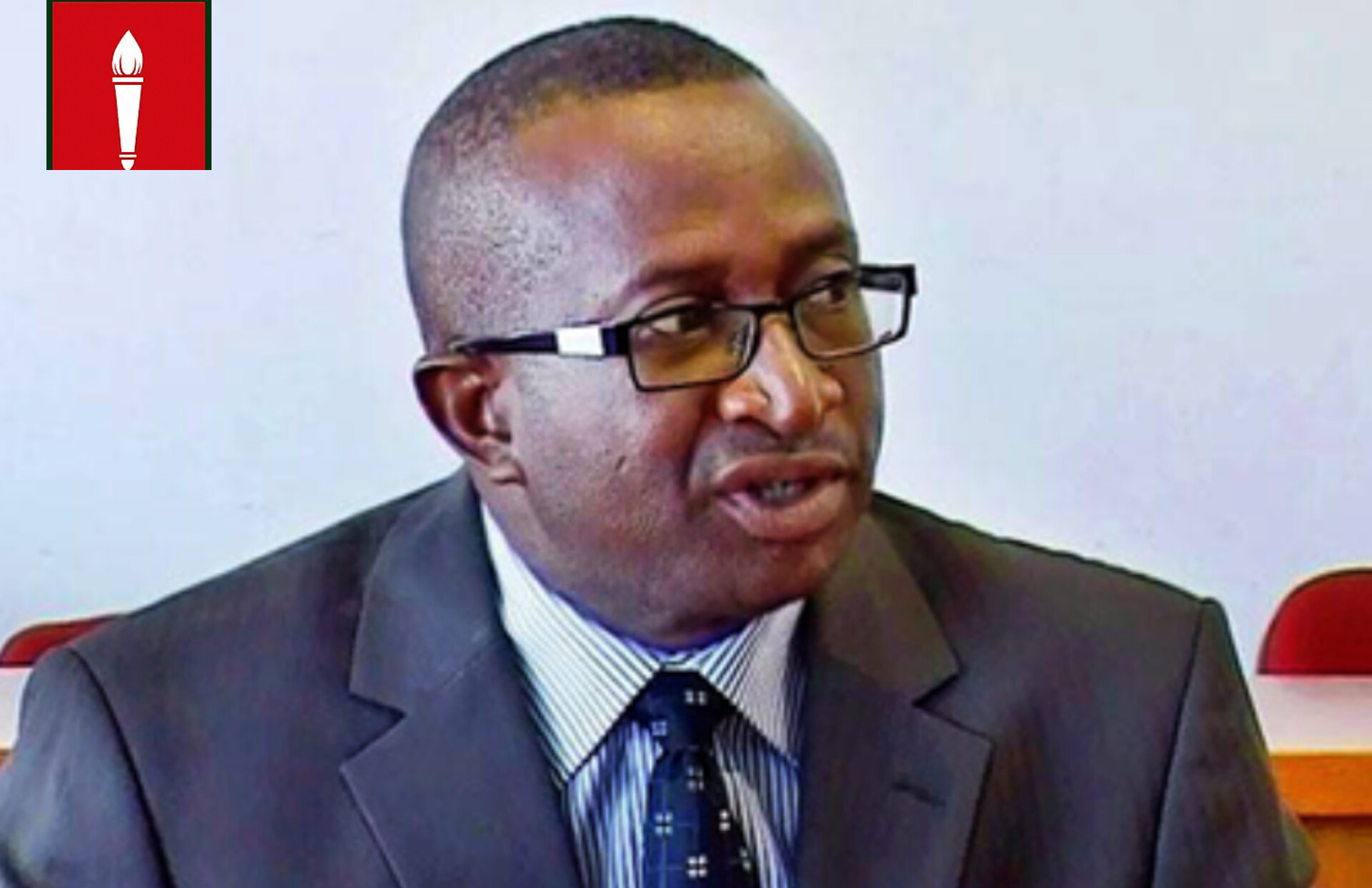
Former Senate Leader, Victor Ndoma-Egba, has expressed concern over what he described as a drastic shift in Nigeria’s political culture, from the era of selfless public service exemplified by the nation’s founding fathers to today’s obsession with wealth and display of power.
Speaking on The Exchange podcast hosted by Femi Soneye and monitored by Very Nigerian, the former lawmaker and senior advocate drew a vivid comparison between the modest lifestyle of Prime Minister Tafawa Balewa, who lived in a mud house, and the extravagant lifestyles of contemporary public officers.
He lamented that Nigeria has lost the “environment” that once defined responsible governance.
Ndoma-Egba, who turns 70 in five months, reflected on Nigeria’s political journey from independence through the civil war and military regimes, recalling a time when the economy was among the fastest growing globally.
According to him, “the problem then was not money, but how to spend it,” unlike today’s economic struggles.
He attributed Nigeria’s weak institutions to a cultural habit of excessive reverence for authority, noting that citizens have become “timid about holding leaders accountable,” a development that allows impunity to thrive.
Recounting his early years in public service, Ndoma-Egba said he became a commissioner at 26, during a period when a state cabinet had only seven to nine members.
While acknowledging debates on reducing governance costs, he warned that extreme austerity could affect efficiency, recalling that he once managed responsibilities equivalent to over a dozen modern ministries.
Discussing his tenure as Chairman of the Niger Delta Development Commission (NDDC), he criticized the system for abandoning a comprehensive, stakeholder-driven master plan “almost immediately” after its creation.
He said political convenience turned the NDDC into a platform for sharing the “national cake,” instead of driving regional development.
He further described the Commission’s bureaucracy as stifling, revealing that payments required 62 approval steps, a process he said naturally encouraged corruption.
“Corruption is an opportunistic situation; it thrives in dysfunctional systems,” he explained.
Ndoma-Egba also defended the National Assembly’s integrity, referencing the “furniture allowance saga,” where lawmakers were accused of excess, even though they had rejected a proposed N12 million per member in favor of N3 million.
He said such misinterpretations reflect the public’s impatience with the legislature.
Expressing hope for the future, the former senator said he longs for a “secure and prosperous Nigeria” where his grandchildren can live without fear, reminiscing about a time when Nigerians could travel safely at night and when industrial cities like Kano housed over 50 textile factories.
Speaking on his home state, Cross River, Ndoma-Egba described the post-Donald Duke period as “an era of experimentation” that has largely failed.
He urged the current administration to return to “traditional forms of governance.”
Read Also: Senate, House Committees endorse creation of new South-East State
On a personal note, he revealed that if he hadn’t gone into law and politics, he might have become a Catholic priest or a journalist, and amusingly added that he eats pounded yam every day whenever he is in Nigeria.


 Follow Us on Google Discover

La Liga: Unstoppable Barcelona beat Real Betis 5-2 to extend winning run

EPL: Super Eagles star Iwobi fires Fulham to first league victory

Ogun hospital under fire as Nurse dies of asthma attack amid alleged oxygen failure

Maryam Babangida Center for Women Devt gets first wheel chair ramp after 34 years

Shettima inaugurates Arewa for Asiwaju campaign office in Abuja

2027: ‘APM will beat Tinubu in 12 battleground states’ – Makinde’s campaign team

Veteran Journalist, diplomat Dele Cole dies at 86

Suspended NSCDC commandant apologises over deaths of suspected illegal miners in Niger

EPL: Martinez rushed to hospital after head injury as Chelsea beat Everton

COAS arrives Borno as Military moves to clear terrorist camps, rescue abductees

Macky Sall quits race for UN Secretary-General position

Buhari backed Osinbajo’s presidential ambition four times, Akande tells Babachir Lawal

Dr. Benjamins‑Laniyi urges media to amplify women’s leadership, adopt gender‑sensitive reporting

Pope Leo XIV set to leave hospital after lung cancer surgery

Gunmen kill four vigilantes in Plateau community

Erisco Foods announces 13 job openings across Nigeria – Apply Now

2027: Step down if you are not working for Tinubu – Deji Adeyanju dares Obi, Kwankwaso

House Officers, Nurses, Radiographers, Others wanted as DELSUTH opens recruitment – Apply Now

Tinubu reappoints Bala Bila as INEC commissioner, nominates six others

Elon Musk unveils Tesla’s ‘flying’ car in stunning demonstration

2027: Kwankwaso a goat in sheep’s clothing, secretly working for Tinubu – Atiku Campaign Council

2027: Tinubu to miss rallies in over 20 States as APC releases campaign timetable

33 Governors cannot be wrong in supporting Tinubu – Bayo Onanuga

2027: ‘Atiku, Obi, Duke, Makinde are not threats to Tinubu’, says APC

Atiku fully fit, ready to campaign in all 36 states, interact with Nigerians – ADC PCC
Gunmen storm Plateau, kill traditional ruler at residence

Outrage as suspected cultists unveil renovated police post in Rivers

2027: ‘Don’t trust your destiny to ‘kalokalo’ people’ – Wike warns Rivers voters against Atiku, Amaechi, Obi

BREAKING: Oyebanji makes history as first Ekiti Governor to win second consecutive term
