National News
First two years of my second term will be dedicated to “more work” – Tinubu

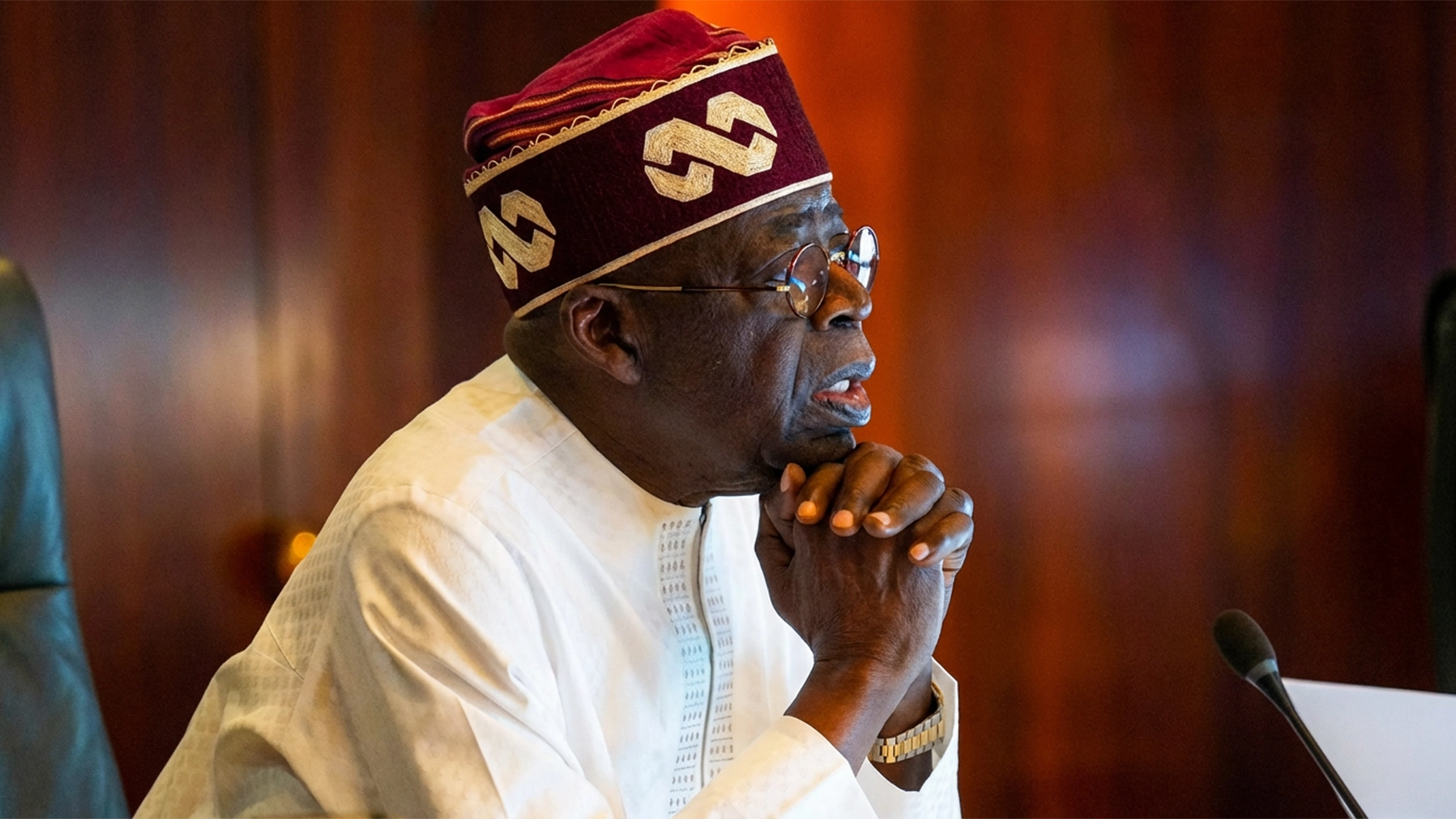
President Bola Ahmed Tinubu has said that the first two years of a possible second term would be dedicated to intensified governance efforts, insisting that his administration will continue to pursue bold reforms aimed at repositioning Nigeria’s economy.
Speaking during an interview at the Africa CEO Forum in Kigali, Rwanda, Tinubu said leadership demands continuous adjustment, discipline, and the willingness to take difficult decisions in the national interest.
“Do more work. More challenges are there. The world won’t wait for anybody. You have to continue to reset and rethink,” the President said.
He maintained that his administration’s guiding principle has been decisive action, even when such decisions are unpopular.
“The hallmark of a transformative leader is the ability to take decisions at the right time on behalf of the people,” he added.
The President defended key policy reforms, including the removal of fuel subsidy and the unification of the foreign exchange market, describing them as painful but necessary steps to prevent long-term economic collapse.
According to him, the subsidy regime had become unsustainable and encouraged inefficiency and abuse.
“It is a fake life to think you can continue the subsidy that is wasteful. It encourages falsification and smuggling,” he said.
Tinubu noted that before the reforms, many states struggled to meet basic obligations such as salary payments.
He likened the economic transition to childbirth, stressing that temporary hardship would eventually yield long-term national benefits.
“It is difficult and painful, but like childbirth, there is joy after the pain,” he said.
On taxation, the President argued that national development cannot be achieved without citizens contributing their fair share.
“Nobody wants to pay taxes, but everyone wants development. How do you fund it?” he asked.
He added that tax compliance defines responsible citizenship, stating that “a citizen that pays taxes is a citizen, whether corporate or individual.”
Tinubu also highlighted what he described as early gains from his reforms, saying the economy had become more stable and predictable for planning and investment.
He said the government was also expanding social intervention programmes, including cash transfers to vulnerable households and educational support for indigent students.
On industrial policy, the President said his administration would continue to support local manufacturers and major investors to boost job creation and domestic production.
He cited the Dangote Refinery and BUA Group as examples of enterprises benefiting from government facilitation, including crude oil supply arrangements in naira.
The President also defended major infrastructure projects such as the Lagos–Calabar Coastal Highway, describing them as part of a broader plan to strengthen national integration and economic growth.
Tinubu stressed that national unity remains central to his agenda, urging Nigerians to see diversity as a strength rather than a division.
“All of us together must be patriotic. This country is ours. We must build it together,” he said.
On security and foreign relations, the President acknowledged ongoing challenges but insisted that Nigeria remains a key player in regional and continental affairs.
“Nigeria is still a big brother in ECOWAS and remains central to Africa’s stability,” he said.
Tinubu concluded by reaffirming confidence in Nigeria’s future, saying his administration remains focused and determined to sustain reforms and strengthen national development.


 Follow Us on Google Discover


I fear APC’s internal crisis more than Atiku – Shettima

Why Shettima Insults Atiku: by Farooq Kperogi

Messi’s double fires Inter Miami to 3-1 victory over Atlanta United

Opposition will front a single candidate against Tinubu, announcement will be made few days to election – Lukman

La Liga: Unstoppable Barcelona beat Real Betis 5-2 to extend winning run

EPL: Super Eagles star Iwobi fires Fulham to first league victory

Ogun hospital under fire as Nurse dies of asthma attack amid alleged oxygen failure

Maryam Babangida Center for Women Devt gets first wheel chair ramp after 34 years

Shettima inaugurates Arewa for Asiwaju campaign office in Abuja

2027: ‘APM will beat Tinubu in 12 battleground states’ – Makinde’s campaign team

Veteran Journalist, diplomat Dele Cole dies at 86

Suspended NSCDC commandant apologises over deaths of suspected illegal miners in Niger

EPL: Martinez rushed to hospital after head injury as Chelsea beat Everton

COAS arrives Borno as Military moves to clear terrorist camps, rescue abductees

Macky Sall quits race for UN Secretary-General position

Erisco Foods announces 13 job openings across Nigeria – Apply Now

2027: Step down if you are not working for Tinubu – Deji Adeyanju dares Obi, Kwankwaso

House Officers, Nurses, Radiographers, Others wanted as DELSUTH opens recruitment – Apply Now

Tinubu reappoints Bala Bila as INEC commissioner, nominates six others

2027: Kwankwaso a goat in sheep’s clothing, secretly working for Tinubu – Atiku Campaign Council

33 Governors cannot be wrong in supporting Tinubu – Bayo Onanuga

Atiku fully fit, ready to campaign in all 36 states, interact with Nigerians – ADC PCC

Security forces arrest five suspects over abduction of 20 NYSC members in Imo

2027: ‘Don’t trust your destiny to ‘kalokalo’ people’ – Wike warns Rivers voters against Atiku, Amaechi, Obi

Outrage as suspected cultists unveil renovated police post in Rivers

BREAKING: Oyebanji makes history as first Ekiti Governor to win second consecutive term

LAUTECH Resident Doctors halt 50-day strike as Makinde intervenes

2027: ‘I wont join my Uncle to support Tinubu’ – Davido says

DSS arrests Maina’s fugitive son in Abuja, hands him over to EFCC
