News
Court declares N’Assembly’s N110bn spending on SUVs, allowances unlawful

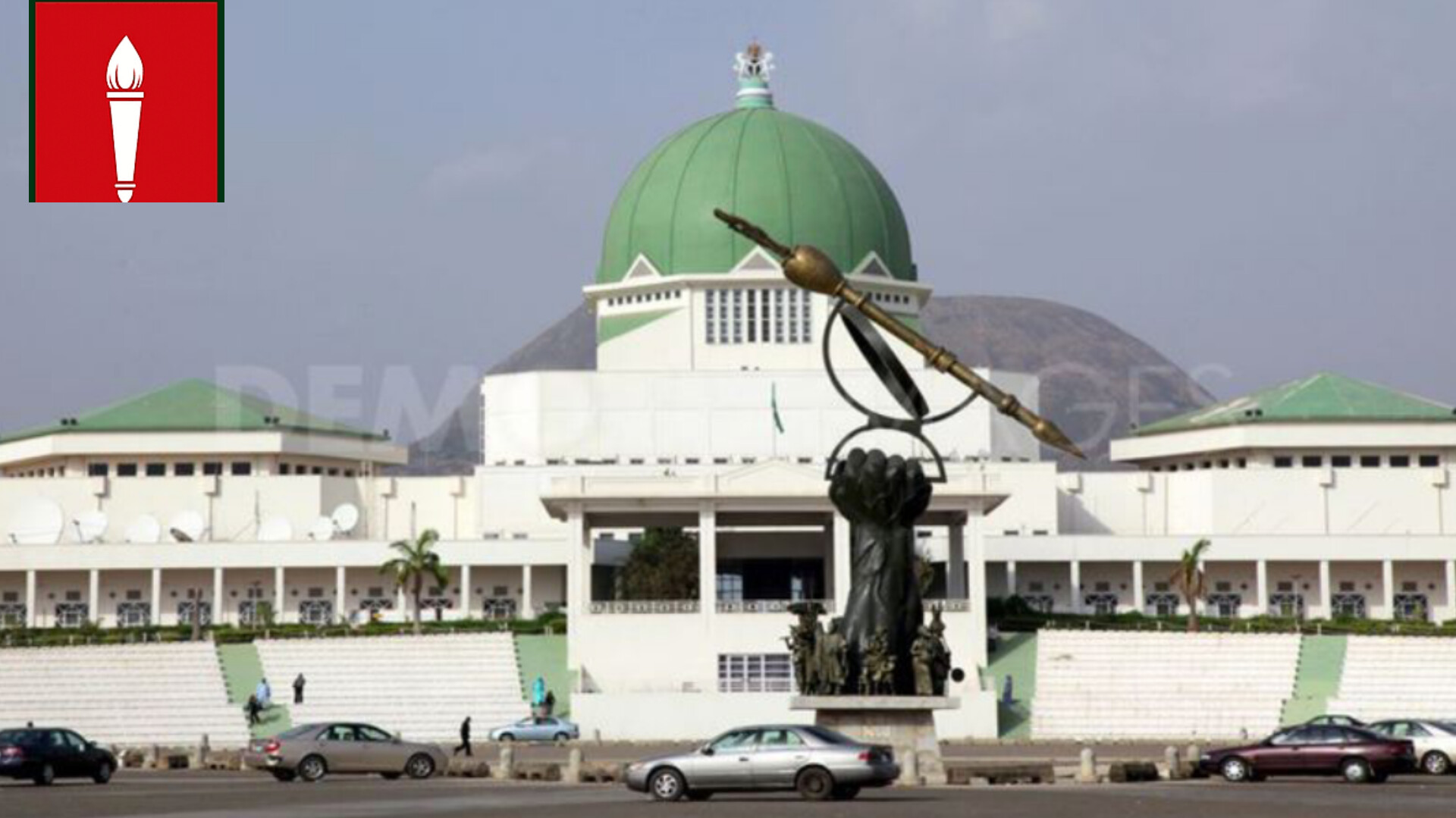
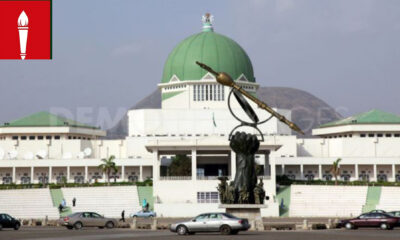
The Federal High Court in Lagos has ruled that the National Assembly’s N110 billion expenditure on Sport Utility Vehicles (SUVs) and support allowances for lawmakers was unlawful.
In a judgment delivered on May 6, Justice Yellim Bogoro nullified the N40 billion spent on 465 vehicles and the N70 billion paid as support allowances to lawmakers elected in 2023, holding that the spending violated procurement laws and breached public trust.
The suit, marked FHC/L/CS/1606/2023, was instituted by Socio-Economic Rights and Accountability Project against the National Assembly.
The court also directed Senate President Godswill Akpabio and Speaker of the House of Representatives Tajudeen Abbas to ensure that all future procurements and expenditures by the National Assembly strictly comply with due process, transparency, accountability and value-for-money principles.
Justice Bogoro held that the scale of the expenditure, coupled with the failure to demonstrate compliance with procurement procedures, rendered the transactions arbitrary and inconsistent with statutory procurement standards.
“Looking at the magnitude of the expenditure, coupled with the absence of demonstrable due process, leads me to conclude that the procurement is arbitrary, disproportionate and inconsistent with statutory procurement standards,” the judge ruled.
He further described the expenditure as a case of self-dealing and conflict of interest, noting that the beneficiaries of the spending were the same officials responsible for approving it.
“The beneficiaries of the expenditure are the very officials approving it, and the expenditure confers direct pecuniary and material benefits. This, to my mind, constitutes a case of self-dealing and conflict of interest,” he said.
The judge added that the allocation of N110 billion for lawmakers’ vehicles and allowances came at a time of widespread economic hardship and reflected a failure to prioritise the national interest.
“I have taken judicial notice of the economic realities in Nigeria and the widespread financial hardship affecting Nigerian citizens. In this context, the allocation of N110 billion for the benefit of lawmakers demonstrates a failure to prioritise national interest,” he stated.
Rejecting arguments that the court lacked jurisdiction because of legislative autonomy, Justice Bogoro held that the doctrine of separation of powers could not be used to shield unlawful actions.
“The doctrine of separation of powers does not operate as a shield for illegality,” he ruled.
The court found that the defendants failed to provide credible evidence showing compliance with competitive bidding requirements, procurement procedures and value-for-money assessments as required under the Public Procurement Act 2007.
According to the judgment, the National Assembly did not specifically rebut the allegations contained in the suit and was therefore deemed to have admitted them.
Justice Bogoro consequently held that the expenditure violated Section 57(4) of the Public Procurement Act 2007 and also ran contrary to provisions of the Code of Conduct for Public Officers, which prohibit public officials from placing themselves in positions of conflict of interest or using public office for personal benefit.
The ruling marks a significant judicial intervention in the ongoing debate over public spending, accountability and transparency within Nigeria’s legislature.


 Follow Us on Google Discover






BREAKING: ‘I have nothing to hide, release my academic records’ – Peter Obi tells UNN

Shettima returns to Nigeria after BRICS summit in India

2027: Big battle for Wike as APC Govs move against Rainbow Coalition, parallel structures capable of undermining Tinubu, APC candidates

2027: Support Tinubu as he supported Buhari, Yari urges Northerners

2027: ‘Tinubu will win, Atiku second, Obi third’ – Afegbua

FG signs N729bn bond to offset power sector debts

LASUTH Resident Doctors embark on indefinite strike over unpaid allowances

Show proof I left Anambra with debts, I’ll stop my 2027 campaign – Obi dares Soludo

‘I Don’t Want to Be Called Africa’s Richest Man Again’ — Dangote

600 Northern Lecturers who attended Tinubu endorsement show must be bared 2027 election duties – ADC warns INEC

BBNaija S11: Barry wins HoH title, becomes first finalist

Ondo students set 14-day deadline for Aiyedatiwa over ASUU strike

Nigeria, India target $15bn trade as Modi pushes for more crude imports

2027: Oba of Lagos backs Tinubu, says ‘ no vacancy in Aso Rock’

2027: NDC says Nigerians can fund party with contributions as low as N1,500

International Breweries Recruitment: 5 Job vacancies across Nigeria (How to Apply)

Food and Agriculture Organization Of the United Nations (FAO-UN) announces 4 recruitment vacancies across Nigeria (How to Apply)

2027 Elections: INEC publishes final list of 1,195 Senate, 3,213 Reps candidates (Full List)

2027: Over 600 Northern Lecturers endorse Tinubu’s re-election bid

15 feared killed as gunmen strike Plateau communities
2027: NDC says Nigerians can fund party with contributions as low as N1,500

Average Nigerian can survive on N3,000 daily, says Reno Omokri

Yamal double fires Barcelona to 4-2 victory over Levante

Hon. Desmond Elliot kneels down, begs Gbajabiamila for forgiveness

Haaland scores as 10-man Man City beat Manchester United 1-0

Tinubu’s FBI records are not evidence of criminal history, it won’t be released – Reno Omokri

BBNaija Season 11: Abi, Araga evicted from ‘Show Ya Sef’ House
‘I Don’t Want to Be Called Africa’s Richest Man Again’ — Dangote

Tinubu lands in Paris for second leg of holiday
