
News
Kano govt set to screen 3,000 couples for mass wedding June 8

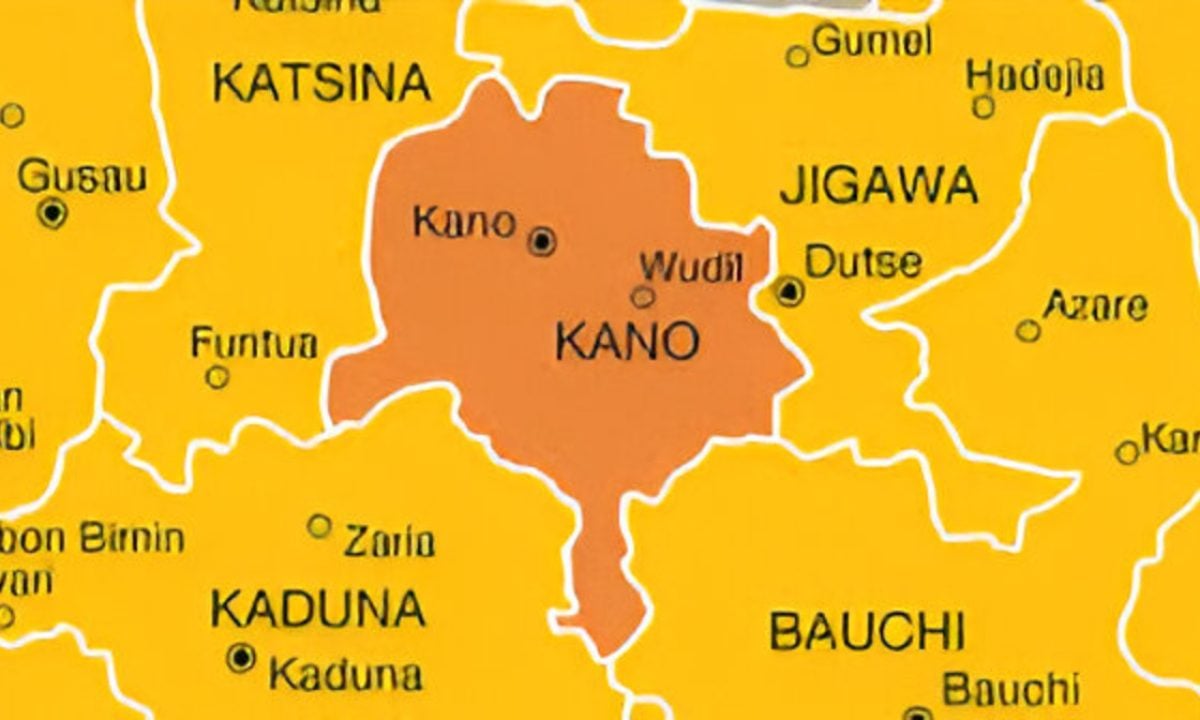
The Kano State Hisbah Board has completed plans to begin medical screening for more than 3,000 prospective couples ahead of a mass wedding programme in the state.
Speaking in a telephone interview with Very Nigerian on Sunday, the Deputy Commander General of the board, Sheikh Mujahedeen Aminudeen, said the exercise would start on Monday across 24 local government areas.
According to him, the screening is part of the preparations for the mass wedding initiative and will be conducted in selected local government councils across the state.
The affected local government areas include Rogo, Wudil, Tudun Wada, Warawa, Kibiya, Dawakin Tofa, Garun Malam, Kura, Dambatta, Karaye, Tsanyawa, Minjibir, Rimin Gado, Shanono, Kabo, Tofa, Rano, Bebeji, Ajingi, Gwarzo, Sumaila, Kiru, Takai and Madobi.
Aminudeen said the medical screening would help ensure that the couples meet the health requirements for participation in the programme before the wedding ceremonies are conducted.
“The screening will commence on Monday, 8th June, 2026, God willing. The couples comprising 1,500 females and 1,500 males will undergo the mandatory screening to ascertain their health status,” he said.
According to the Hisba official, the board, in collaboration with the Ministry of Health and the State Agency for the Control of AIDS, has completed arrangements to screen the couples for HIV/AIDS, drug use, genotype, hepatitis B, and other sexually transmitted infections, including gonorrhoea.
The Deputy Commander General added that the registered couples had been directed to visit Hisba offices in their respective local government areas for the screening, warning that anyone who failed to show up would be delisted.
“After that, only those who pass the health screening will qualify,” Aminudeen added.
The Kano State Government, under the leadership of Governor Abba Kabir Yusuf, reintroduced the mass wedding programme as part of renewed efforts to check prostitution and other social vices, especially among young women and girls whose parents lack the financial means to marry them off in the state.


 Follow Us on Google Discover












BREAKING: ‘I have nothing to hide, release my academic records’ – Peter Obi tells UNN

Shettima returns to Nigeria after BRICS summit in India

2027: Big battle for Wike as APC Govs move against Rainbow Coalition, parallel structures capable of undermining Tinubu, APC candidates

2027: Support Tinubu as he supported Buhari, Yari urges Northerners

2027: ‘Tinubu will win, Atiku second, Obi third’ – Afegbua

FG signs N729bn bond to offset power sector debts

LASUTH Resident Doctors embark on indefinite strike over unpaid allowances

Show proof I left Anambra with debts, I’ll stop my 2027 campaign – Obi dares Soludo

‘I Don’t Want to Be Called Africa’s Richest Man Again’ — Dangote

600 Northern Lecturers who attended Tinubu endorsement show must be bared 2027 election duties – ADC warns INEC

BBNaija S11: Barry wins HoH title, becomes first finalist

Ondo students set 14-day deadline for Aiyedatiwa over ASUU strike

Nigeria, India target $15bn trade as Modi pushes for more crude imports

2027: Oba of Lagos backs Tinubu, says ‘ no vacancy in Aso Rock’

2027: NDC says Nigerians can fund party with contributions as low as N1,500

International Breweries Recruitment: 5 Job vacancies across Nigeria (How to Apply)

Food and Agriculture Organization Of the United Nations (FAO-UN) announces 4 recruitment vacancies across Nigeria (How to Apply)

2027 Elections: INEC publishes final list of 1,195 Senate, 3,213 Reps candidates (Full List)

2027: Over 600 Northern Lecturers endorse Tinubu’s re-election bid

15 feared killed as gunmen strike Plateau communities
2027: NDC says Nigerians can fund party with contributions as low as N1,500

Average Nigerian can survive on N3,000 daily, says Reno Omokri

Yamal double fires Barcelona to 4-2 victory over Levante

Haaland scores as 10-man Man City beat Manchester United 1-0

Hon. Desmond Elliot kneels down, begs Gbajabiamila for forgiveness

Tinubu’s FBI records are not evidence of criminal history, it won’t be released – Reno Omokri

BBNaija Season 11: Abi, Araga evicted from ‘Show Ya Sef’ House

Tinubu lands in Paris for second leg of holiday
‘I Don’t Want to Be Called Africa’s Richest Man Again’ — Dangote
