
Business News
IMF warns Nigeria over $5bn loan deal with Abu Dhabi bank, cites opacity risks
The IMF has raised concerns over Nigeria’s proposed $5 billion borrowing deal with First Abu Dhabi Bank, warning that the structure may be opaque and difficult to assess.

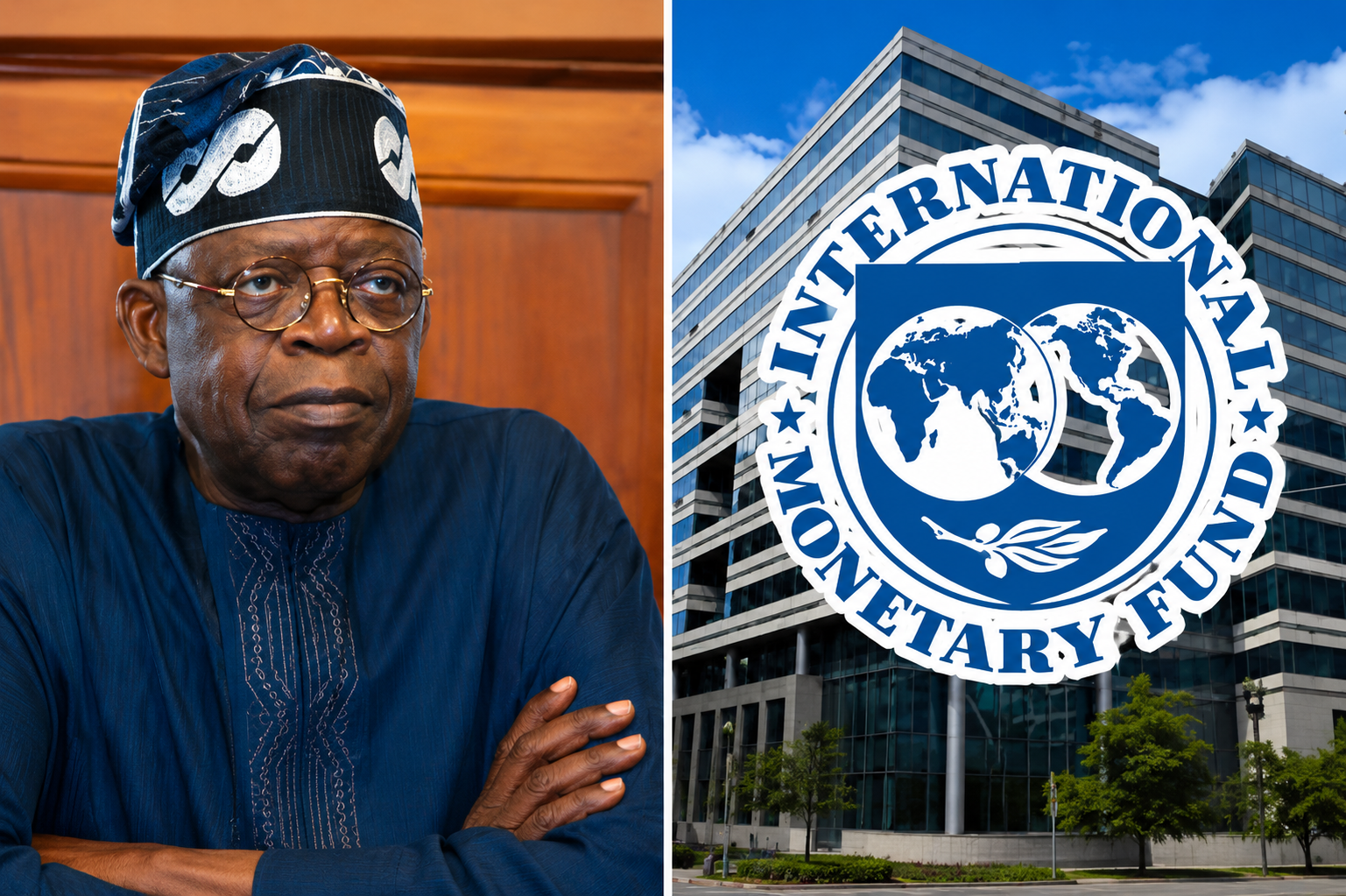
The International Monetary Fund (IMF) has raised concerns over Nigeria’s proposed $5 billion borrowing arrangement with First Abu Dhabi Bank, warning that the structure of such financing instruments may be opaque, complex and difficult to properly assess in terms of fiscal risk exposure.
Christian Ebeke, the IMF’s Mission Chief for Nigeria, said instruments like Total Return Swaps (TRS) often lack transparency, making it harder for stakeholders to fully evaluate their terms and long-term implications.
“Our view is that transactions in these types of structures carry risks. Usually they are opaque so the terms are not always very transparent when we review these instruments across countries,” Ebeke told reporters following the Fund’s latest Article IV consultation.
Nigeria’s Senate approved the borrowing arrangement in April, with the Federal Government stating that proceeds would be used to refinance high-cost debt and fund infrastructure projects. Similar financing structures have been deployed in parts of Africa, including Senegal and Angola, as governments explore alternative funding channels amid tightening global liquidity.
However, the IMF advised Nigeria to prioritise more transparent financing options such as Eurobond issuances or concessional loans, arguing that clearer structures would reduce fiscal risks and strengthen investor confidence.
The warning came alongside a broadly positive assessment of Nigeria’s reform programme under President Bola Tinubu, with the Fund acknowledging that policy measures introduced since 2023—such as fuel subsidy removal, exchange rate liberalisation and tighter monetary policy—have strengthened macroeconomic stability and improved external buffers.
It noted that Nigeria’s foreign reserves have risen to about $50 billion, the highest level in 17 years, supported by improved forex reforms that have helped restore investor confidence and attract capital inflows.
Despite these gains, the IMF cautioned that improvements have not yet translated into broad-based welfare outcomes, warning that poverty and food insecurity remain widespread.
The Fund also highlighted risks linked to volatile portfolio inflows and external shocks, including rising global energy prices driven by geopolitical tensions.
In response, the Federal Government defended its economic strategy, describing the IMF report as validation of its reform agenda and insisting that difficult policy decisions were necessary to stabilise the economy and rebuild investor confidence.
Authorities argued that improved revenue mobilisation, fiscal transparency reforms and public financial management measures would ensure that borrowing remains sustainable and directed toward productive investments, even as global uncertainties continue to weigh on the outlook.


 Follow Us on Google Discover






BREAKING: ‘I have nothing to hide, release my academic records’ – Peter Obi tells UNN

Shettima returns to Nigeria after BRICS summit in India

2027: Big battle for Wike as APC Govs move against Rainbow Coalition, parallel structures capable of undermining Tinubu, APC candidates

2027: Support Tinubu as he supported Buhari, Yari urges Northerners

2027: ‘Tinubu will win, Atiku second, Obi third’ – Afegbua

FG signs N729bn bond to offset power sector debts

LASUTH Resident Doctors embark on indefinite strike over unpaid allowances

Show proof I left Anambra with debts, I’ll stop my 2027 campaign – Obi dares Soludo

‘I Don’t Want to Be Called Africa’s Richest Man Again’ — Dangote

600 Northern Lecturers who attended Tinubu endorsement show must be bared 2027 election duties – ADC warns INEC

BBNaija S11: Barry wins HoH title, becomes first finalist

Ondo students set 14-day deadline for Aiyedatiwa over ASUU strike

Nigeria, India target $15bn trade as Modi pushes for more crude imports

2027: Oba of Lagos backs Tinubu, says ‘ no vacancy in Aso Rock’

2027: NDC says Nigerians can fund party with contributions as low as N1,500

International Breweries Recruitment: 5 Job vacancies across Nigeria (How to Apply)

Food and Agriculture Organization Of the United Nations (FAO-UN) announces 4 recruitment vacancies across Nigeria (How to Apply)

2027 Elections: INEC publishes final list of 1,195 Senate, 3,213 Reps candidates (Full List)

2027: Over 600 Northern Lecturers endorse Tinubu’s re-election bid

15 feared killed as gunmen strike Plateau communities
2027: NDC says Nigerians can fund party with contributions as low as N1,500

Average Nigerian can survive on N3,000 daily, says Reno Omokri

Yamal double fires Barcelona to 4-2 victory over Levante

Haaland scores as 10-man Man City beat Manchester United 1-0

Hon. Desmond Elliot kneels down, begs Gbajabiamila for forgiveness

Tinubu’s FBI records are not evidence of criminal history, it won’t be released – Reno Omokri

BBNaija Season 11: Abi, Araga evicted from ‘Show Ya Sef’ House

Tinubu lands in Paris for second leg of holiday

Real Warri Pikin apologises after viral on-stage moment with Timaya (Video)
