Editorials
Nigeria’s poverty rate hits 63%, 27 million face food insecurity, hunger amid Tinubu’s reforms — IMF

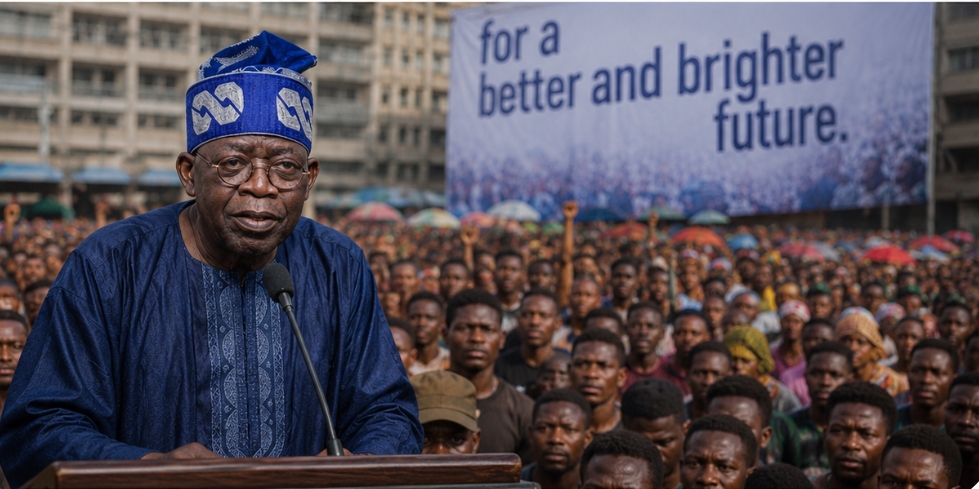
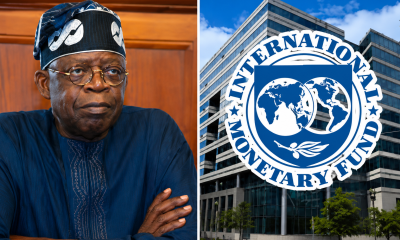
The International Monetary Fund (IMF) has raised fresh concerns over Nigeria’s socio-economic conditions, disclosing that poverty in the country has risen to 63 per cent under the administration of President Bola Ahmed Tinubu, even as macroeconomic indicators show signs of gradual improvement.
The Fund also estimated that about 27 million Nigerians experienced food insecurity in the latter part of 2025, warning that rising global prices and domestic economic pressures continue to erode household welfare despite ongoing reforms.
The IMF made the disclosure in a statement issued on Tuesday in Washington, D.C., where it reviewed Nigeria’s economic performance over the past three years and assessed the impact of key policy reforms.
According to the report, while Nigeria has recorded improvements in macroeconomic stability, including stronger external reserves and better fiscal coordination, these gains have not significantly translated into improved living standards for a large segment of the population.
It noted that poverty under the national poverty line has climbed to 63 per cent, describing the situation as a reflection of persistent economic vulnerability among low-income households.
The Fund further warned that Nigeria remains exposed to global shocks, particularly fluctuations in fuel, food and fertiliser prices, which could worsen inflationary pressures and deepen food insecurity if not properly managed.
Despite the concerns, the IMF acknowledged that Nigeria has recorded some macroeconomic gains. It stated that the country’s gross international reserves rose to $46 billion in 2025 from $40 billion in 2024, supported by a current account surplus, foreign portfolio inflows and Eurobond issuance.
Net international reserves also improved significantly, increasing from $23 billion to $35 billion within the same period.
The IMF estimated Nigeria’s economic growth at 4 per cent in 2025, with a modest projection of 4.1 per cent in 2026. However, it noted that inflationary pressures remain a major challenge for households and businesses across the country.
Inflation, which had previously been on a downward trend, rose again to 15.4 per cent year-on-year in March 2026, driven largely by increases in global fuel and food prices, according to the report.
“After being on a declining trend for over a year, inflation nudged up to 15.4 per cent year-on-year in March 2026 as the jump in international fuel and food prices started hitting Nigeria,” the IMF stated.
On fiscal performance, the Fund said Nigeria’s consolidated government deficit widened to 4.4 per cent of GDP in 2025, noting that while non-oil revenues performed relatively well, oil revenues underperformed expectations.
It added that reduced capital expenditure partly offset the shortfall, while commending recent efforts to improve transparency in public financial management.
The IMF also highlighted insecurity and global market volatility as key risks to Nigeria’s economic outlook, warning that continued instability could further undermine growth and worsen living conditions.
“Risks to the outlook come from the uncertain global environment, in particular the outlook for fuel and food prices. The domestic security situation is another risk to people and economic activity,” the Fund warned.
The institution urged the Nigerian government to strengthen revenue mobilisation, expand targeted social protection programmes and maintain prudent fiscal policies to cushion the impact of ongoing reforms on vulnerable households.
It also advised the Central Bank of Nigeria to sustain a tight monetary policy stance until inflation is firmly under control, while encouraging continued exchange rate reforms to support stability in the foreign exchange market.
The IMF concluded that despite ongoing reforms, structural challenges in governance, security, electricity, agriculture, infrastructure and human capital development remain critical obstacles to inclusive growth and poverty reduction in Nigeria.


 Follow Us on Google Discover






BREAKING: ‘I have nothing to hide, release my academic records’ – Peter Obi tells UNN

Shettima returns to Nigeria after BRICS summit in India

2027: Big battle for Wike as APC Govs move against Rainbow Coalition, parallel structures capable of undermining Tinubu, APC candidates

2027: Support Tinubu as he supported Buhari, Yari urges Northerners

2027: ‘Tinubu will win, Atiku second, Obi third’ – Afegbua

FG signs N729bn bond to offset power sector debts

LASUTH Resident Doctors embark on indefinite strike over unpaid allowances

Show proof I left Anambra with debts, I’ll stop my 2027 campaign – Obi dares Soludo

‘I Don’t Want to Be Called Africa’s Richest Man Again’ — Dangote

600 Northern Lecturers who attended Tinubu endorsement show must be bared 2027 election duties – ADC warns INEC

BBNaija S11: Barry wins HoH title, becomes first finalist

Ondo students set 14-day deadline for Aiyedatiwa over ASUU strike

Nigeria, India target $15bn trade as Modi pushes for more crude imports

2027: Oba of Lagos backs Tinubu, says ‘ no vacancy in Aso Rock’

2027: NDC says Nigerians can fund party with contributions as low as N1,500

International Breweries Recruitment: 5 Job vacancies across Nigeria (How to Apply)

Food and Agriculture Organization Of the United Nations (FAO-UN) announces 4 recruitment vacancies across Nigeria (How to Apply)

2027 Elections: INEC publishes final list of 1,195 Senate, 3,213 Reps candidates (Full List)

2027: Over 600 Northern Lecturers endorse Tinubu’s re-election bid

15 feared killed as gunmen strike Plateau communities
2027: NDC says Nigerians can fund party with contributions as low as N1,500

Average Nigerian can survive on N3,000 daily, says Reno Omokri

Yamal double fires Barcelona to 4-2 victory over Levante

Haaland scores as 10-man Man City beat Manchester United 1-0

Hon. Desmond Elliot kneels down, begs Gbajabiamila for forgiveness

Tinubu’s FBI records are not evidence of criminal history, it won’t be released – Reno Omokri

BBNaija Season 11: Abi, Araga evicted from ‘Show Ya Sef’ House

Real Warri Pikin apologises after viral on-stage moment with Timaya (Video)
‘I Don’t Want to Be Called Africa’s Richest Man Again’ — Dangote
