Politics
Obidient Movement faults FG’s 30-Day petrol discount, says Peter Obi will restore subsidy under new plan

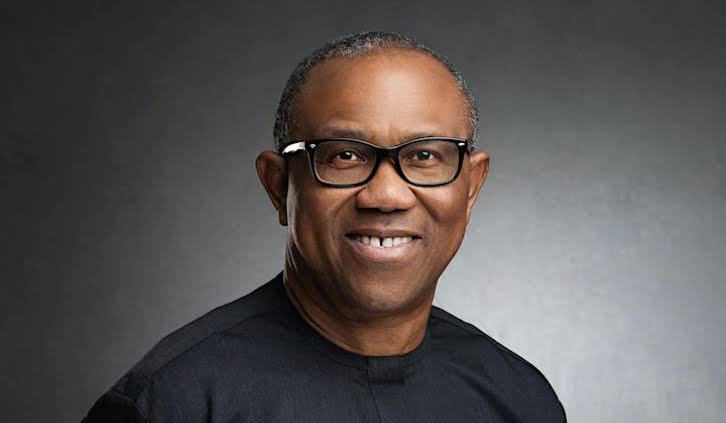
The Obidient Movement has criticised the Federal Government’s 30-day petrol discount initiative, questioning the accuracy of fuel consumption figures used to calculate interventions in the petroleum sector and demanding greater transparency in the management of public funds.
The movement argued that the temporary discount raised questions about the government’s position on fuel subsidy following its removal, insisting that Nigerians deserved affordable petrol without the alleged corruption and lack of accountability associated with the previous subsidy regime.
It also said the presidential candidate of the Nigeria Democratic Congress (NDC), Peter Obi, would restore fuel subsidy if elected, but under a transparent and verifiable framework designed to ensure Nigerians pay half the reference price of petrol.
The position was contained in a statement issued on Friday by the movement’s Head of Media and Communications Directorate, Onyeka Dike.
According to the group, the All Progressives Congress-led Federal Government had spent years defending subsidy removal as necessary while Nigerians continued to grapple with rising living costs.
It said the latest 30-day discount had raised fresh questions about how the government calculated daily petrol consumption and determined the financial implications of its interventions.
“The Obidient Movement believes that Nigerians deserve affordable petrol without the corruption, secrecy and criminality that have characterised the management of fuel subsidy in Nigeria,” the statement said.
The movement maintained that an Obi administration would restore subsidy without allowing it to become a means of enriching a privileged group at the expense of the public.
“Under a Peter Obi administration, fuel subsidy will be restored, but not as a vehicle for enriching a privileged cartel at the expense of the Nigerian people. It will be a transparent, accountable and verifiable system that guarantees Nigerians pay half the price of petrol,” it added.
Movement Questions Petrol Consumption Figures
The group questioned the daily petrol consumption figures attributed to government officials, contrasting President Bola Tinubu’s reported September 2024 estimate of around 30-something million litres per day with Finance Minister Taiwo Oyedele’s reported estimate of approximately 50 million litres daily in October 2026.
“How did Nigeria move from thirty-something million litres to 50 million litres? Where is the independently verifiable data supporting this figure?” the movement asked.
It argued that the apparent difference required an explanation, particularly because consumption estimates could influence the amount of money committed to government interventions in the petroleum sector.
The movement called on the Federal Government to publish the data underpinning its estimates, explain the methodology used to calculate daily consumption and make the figures available for independent verification.
It also argued that the previous subsidy regime had been undermined by disputed consumption figures, unverifiable claims and opaque financial arrangements involving government institutions and petroleum operators.
The group said Nigerians should be able to establish how much public money was being spent on fuel interventions, the basis for the payments, the beneficiaries and the actual volume of petrol delivered to consumers.
Obi Proposes Half-Price Petrol Policy
Outlining its proposed alternative, the movement said an Obi administration would introduce a policy under which Nigerians would pay half of an independently determined reference price for petrol.
Under the proposed arrangement, an independent panel would publish the reference price weekly, using international benchmarks, freight charges and verified domestic costs.
The group said subsidy payments would be linked to actual, verified sales, adding that refiners, depot operators and marketers would not receive reimbursements for petrol that had not been sold to consumers through metered filling station pumps.
It also proposed a digital tracking system to create an auditable record of petrol movements from refinery gates to filling stations, with the aim of preventing inflated claims and fictitious consumption figures from qualifying for payments.
On domestic refining, the movement said access to Nigerian crude oil by local refineries should be governed by transparent and fair rules that do not favour any particular company or privileged group.
It argued that competition, accountability and clear regulations should replace what it described as opaque arrangements in the petroleum industry.
The proposed framework would also require legislative and budgetary approval by the National Assembly.
According to the group, monthly public reports should disclose the reference price, volumes sold, subsidy payments, beneficiaries, breaches, penalties, recoveries and findings from independent audits.
It further insisted that public funds should not be concealed in Nigerian National Petroleum Company Limited accounts under unexplained descriptions such as under-recovery.
Group Alleges Subsidy-Like Payments Continue
The Obidient Movement also accused the APC-led government of continuing subsidy-like payments under different descriptions despite announcing the removal of petrol subsidy.
It alleged that terms such as under-recovery and energy security costs had made it difficult for Nigerians to determine the extent of government support in the petroleum sector.
The movement also revisited the 2012 fuel subsidy removal controversy, claiming that Tinubu and other figures now associated with the APC opposed the policy at the time and participated in protests against it.
It accused the current administration of repeatedly increasing petrol prices without providing sufficient information about daily consumption, actual costs and public expenditure.
The claims were contained in the movement’s statement and were not independently established in the material provided.
To address what it described as structural weaknesses in the sector, the group proposed an audit of energy security contracts and measures to reduce crude oil production costs by tackling corruption and inflated security contracts.
It also called for stronger pipeline protection through partnerships with host communities and fair access to crude oil for licensed domestic refineries.
The movement said the proposals would require a clear implementation framework, including necessary legislative amendments, to establish a sustainable system rather than a temporary intervention that would expire after 30 days.
It also questioned the Federal Government’s decision to introduce the petrol discount alongside a mechanism through which refiners and importers could recover shortfalls at a later date.
The group demanded an explanation of the payments involved, how they were accounted for and why the underlying figures could not be independently verified.
“Under Peter Obi, fuel subsidy will no longer be a black hole for public money. It will be a measurable public intervention designed to make petrol affordable while protecting public funds from fraud and abuse,” the statement said.
The movement maintained that its proposed policy would combine affordable petrol with financial oversight, insisting that every litre sold and every payment made must be verifiable.
“Every litre must be verified. Every payment must be justified. Every naira must be accounted for,” it said.
“The welfare of Nigerians must never be a seasonal political project.”


 Follow Us on Google Discover





Kano Assembly begins review of state police bill, sets October 12 for second reading

Ekiti driver takes N3.5m Loan to campaign for Tinubu, Bamidele, Fatoba’s re-election

FCT strike: Wike orders ‘no work, no pay’ for NLC, NUT members

Gunmen kill security operative, steal motorcycle in Plateau

Gunmen abduct three CRIN workers in Oyo, demand N120m ransom

SERAP’s appeal against N100m defamation judgment stalls, adjourned again

Federal University Gusau (FUGUS) announces recruitment for Pharmacists, Nurses, Engineers, Accountants, others -Apply Now

Flour Mills of Nigeria announces Engineering Programme for young Nigerians – Apply Now

‘NNPC petrol price cut is business decision, not fuel subsidy’ – Oyedele

NNPC extends N66 fuel discount for another week, includes diesel in deal, insists subsidy not back

FG appeals to scrap dealers to suspend strike, resume negotiations

Tragedy in Anambra as three-storey building collapses, kills mother, 14-year-old daughter

55-year-old driver survives as train rams car in Lagos

Tinubu’s Fuel Discount: Who pays, who benefits and what happens after 30 Days?

Obidient Movement faults FG’s 30-Day petrol discount, says Peter Obi will restore subsidy under new plan

BREAKING: Tinubu’s Govt announces 30-Day petrol discount at filling stations for Nigerians
Flour Mills of Nigeria announces Engineering Programme for young Nigerians – Apply Now

BREAKING: Security forces rescue 20 NYSC members from abductors in Imo

2027: Peter Obi will win with or without Igbos’ vote — Isaac Fayose

2027: INEC commences training for supervisors

Buhari was not in charge, I’ll take full control of my govt if elected – Obi

‘Atiku, Obi must unite to stop Tinubu in 2027’ – Donald Duke

Fresh tragedy averted as NAF Helicopter lands on farmland in Benue
Supreme Court Verdict: Erring parties will not field candidates – INEC

2027: Taraba is 100% behind Tinubu — Governor Kefas

Super Eagles drop to 30th in latest FIFA ranking

NAF Crash: Aiyedatiwa orders sustained search for missing victims, aircraft

ASUSS defies NUT strike, orders FCT teachers to resume work
Federal University Gusau (FUGUS) announces recruitment for Pharmacists, Nurses, Engineers, Accountants, others -Apply Now
