
National News
NEC approves 90-Day plan to tackle high food prices, transport cost

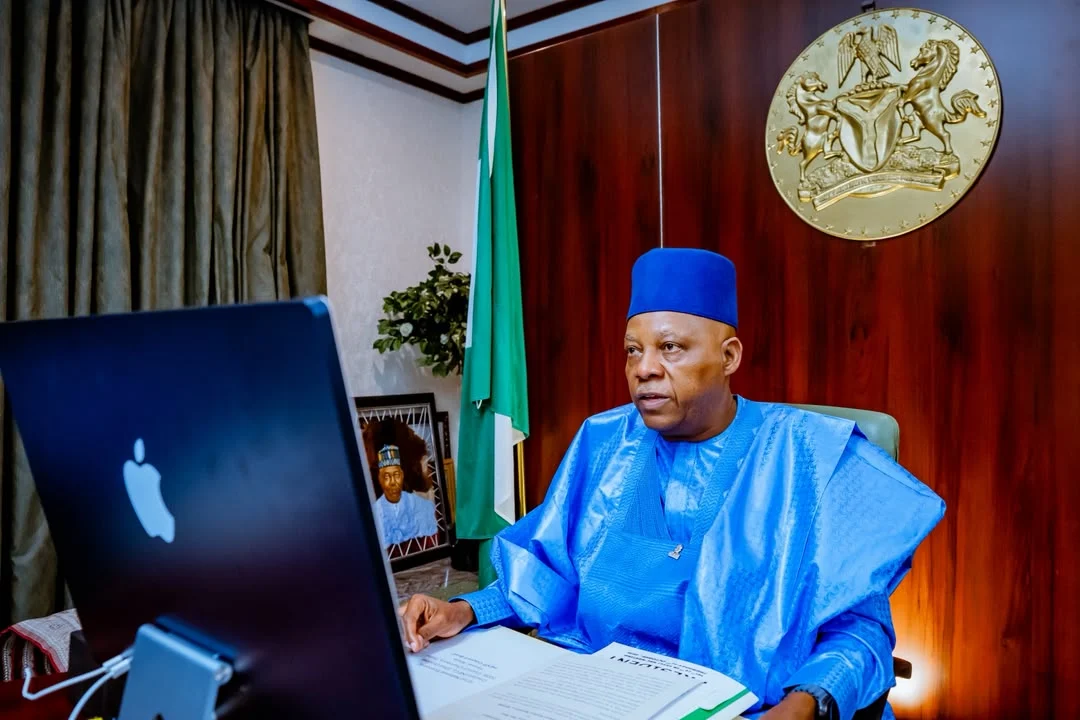
The National Economic Council (NEC) has endorsed a 90-day economic action plan aimed at reducing the cost of living, improving food affordability and attracting investment across Nigeria.
The plan, proposed by the Federal Ministry of Finance, was endorsed on Thursday during the council’s 161st meeting, chaired virtually by Vice President Kashim Shettima.
According to a statement by Shettima’s Senior Special Assistant on Media and Communications, Stanley Nkwocha, the plan focuses on five priority areas: food affordability, tax harmonisation, completion of high-impact projects, removal of investment bottlenecks and regulated household support.
The council also approved the establishment of a national dashboard to monitor projects nationwide, with emphasis on transparency, accountability and tracking the use of proceeds from the removal of fuel subsidies.
Speaking at the meeting, Shettima urged state governors and relevant government institutions to ensure that the benefits of President Bola Tinubu’s economic reforms translate into improved living conditions for Nigerians.
He said the success of government policies should be measured by their impact on people’s daily lives, including access to affordable transportation, healthcare, employment opportunities and financial security.
“The first dividend of prosperity should be the confidence to plan a life. Our task is to make such confidence less dependent on fortune,” the vice president said.
Shettima also called for stronger cooperation between the federal and state governments, warning that their separate responsibilities should not become an obstacle to delivering essential services.
“Our separate mandates must not become competing excuses. Each governor carries knowledge that no federal document can supply,” he said.
NEC Moves to Reduce Transport Costs
On transportation, the vice president said the National Compressed Natural Gas (CNG) Bus Initiative should be evaluated based on its impact on commuters’ expenses rather than the number of vehicles deployed.
“The cost of reaching a livelihood should never consume the livelihood itself. The passenger’s experience must guide our ambition, because the value of public transport resides in the journeys it makes possible. We should assess success through affordability and access, rather than fleet size alone,” Shettima said.
The council resolved to establish a joint financing framework between the Federal Government and state governments to accelerate the deployment of compressed natural gas and electric vehicles.
It also directed relevant authorities to engage transport unions and operators to ensure that savings from the use of the vehicles are passed on to commuters through reduced fares.
NEC Reviews Ebola Preparedness
Meanwhile, the Coordinating Minister of Health and Social Welfare, Professor Muhammad Ali Pate, briefed the council on the reported Ebola outbreak in the Federal Capital Territory and assured members that Nigeria had the institutional capacity to contain the situation.
Pate said the national response would focus on coordination, screening at points of entry, laboratory testing, the provision of essential medical kits and personal protective equipment, as well as public communication.
He disclosed that 21 state governments had updated their preparedness and response plans, urging the remaining 15 states to establish appropriate mechanisms.
The council also directed state governments to intensify polio eradication efforts, particularly in communities where children were missed during immunisation campaigns and in areas affected by insecurity.
In addition, NEC acknowledged the potential of livestock development to create jobs, stimulate economic growth and improve livelihoods.
The council resolved to strengthen cooperation between the Federal Government and state governments to advance the livestock sector and harness its economic benefits.


 Follow Us on Google Discover


FIFA takes over NFF affairs, approves normalisation committee ahead of fresh elections

Sultan of Sokoto meets Tinubu, calls for peaceful elections

Ebola: FG directs agencies to intensify public awareness

Salah shines as Trabzonspor beat Hearts 2-0 in Conference League

BREAKING: Tinubu appoints former DSS DG Yusuf Bichi as NISS Governing Board Chairman

NEC approves 90-Day plan to tackle high food prices, transport cost

Tinubu tasks Medical experts on brain drain after receiving WACP Fellowship

CDCFIB Recruitment: Portal opens October 28 for shortlisted candidates

Adamawa court sentences three to death over abduction of Catholic priests

‘You called them cancer, now you’re their ally’ – Rufai Oseni slams Wike for embracing APC

‘Every Nigerian made poorer by 300%’ – Obasanjo slams Tinubu reforms

Hardship: NLC, TUC threaten nationwide action, give FG October 27 deadline

Seven-Up opens recruitment for 17 positions across Nigeria – Apply Now

Backend Office HQ announces 9 job openings with salaries of up to ₦400,000 – Apply Now

Reps consider bill to ban landlords from demanding more than one year’s rent in FCT
Seven-Up opens recruitment for 17 positions across Nigeria – Apply Now
Backend Office HQ announces 9 job openings with salaries of up to ₦400,000 – Apply Now

‘Politics Is Not Madness’: Emir of Katsina warns Tinubu Campaign DG Yari
CDCFIB Recruitment: Portal opens October 28 for shortlisted candidates

2027: He is a ‘wole wole’ man – APC National Secretary questions Atiku’s ability to fix Nigeria’s economy

History and service have kept us intertwined – Tinubu celebrates Kwankwaso at 70

Seven-year-old boy found dead after suspected kidnappers demand N2.5m ransom in Plateau

Oyebanji appoints four officials, swears in SSG, chief of staff in Ekiti

‘Where is my house?’ – Ortom questions Alia over denial of ex-governor’s benefits

Toluwanisings: Family announces night of tributes, service of songs for late gospel singer

Tinubu meets NELFUND Chairman Jim Ovia at Aso Rock

Ebola: 10 Warning signs and prevention tips you should know

UCL: Man United suffer 4-1 defeat to Como as pressure mounts on Carrick

2027 Election: Court rejects suit to compel INEC to register new party
