
News
We are parallel lines that will never meet – El-rufai on Tinubu
We didn’t fall out; we just didn’t find areas of agreement. I am in government to serve the public and deliver results, not to enrich myself or appoint cronies.

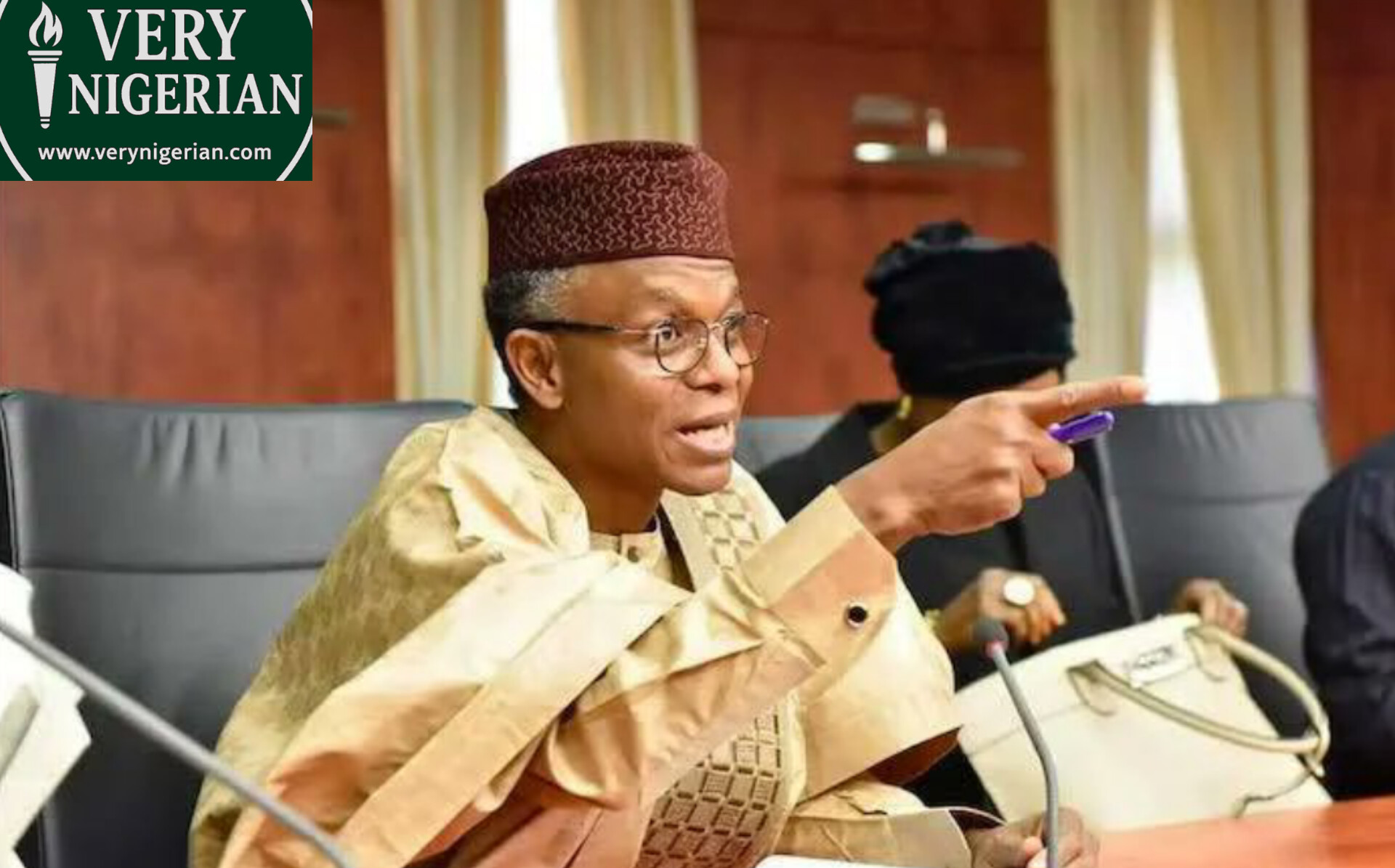
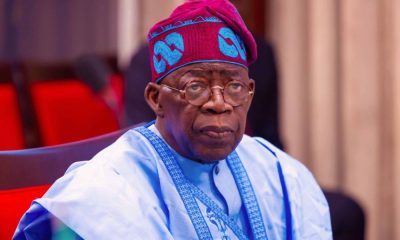
Former Kaduna State Governor, Nasir El-Rufai, has opened up on his well-publicized differences with President Bola Tinubu, insisting that their disagreements stem from governance philosophies, not personal animosity.
In an interview with Trust TV on Monday, El-Rufai dismissed claims that he and Tinubu had a close personal bond, noting, “I was never Tinubu’s friend. We never had a personal relationship like the one I had with General Buhari of blessed memory.”
He explained that his early support for Tinubu’s presidential bid was principled and political, rather than personal. “I was approached by certain Islamic stakeholders from the South-West to support the emergence of a South-West Muslim presidential candidate… It wasn’t about Tinubu; he was merely an accidental beneficiary,” he said.
El-Rufai emphasized that his backing of Tinubu after clinching the APC ticket was a matter of party loyalty, stating, “It is a principle of mine to fight for the candidate of my party in every election, whether I like the candidate or not.”
However, the former governor revealed that his fallout with the Tinubu administration arose from clashes over governance philosophy. “We didn’t fall out; we just didn’t find areas of agreement. I am in government to serve the public and deliver results, not to enrich myself or appoint cronies,” he said.
He further disclosed that he rejected a ministerial position offered by Tinubu because their philosophies of governance were fundamentally incompatible. “If I had accepted the ministerial position, I would have resigned shortly after. Our fundamental philosophies of governance are worlds apart,” El-Rufai stated.
The former Kaduna governor’s revelations underscore the widening perception of ideological and governance differences within the ruling party, highlighting tensions that go beyond personal relationships to core principles of public service and accountability.


 Follow Us on Google Discover





La Liga: Unstoppable Barcelona beat Real Betis 5-2 to extend winning run

EPL: Super Eagles star Iwobi fires Fulham to first league victory

Ogun hospital under fire as Nurse dies of asthma attack amid alleged oxygen failure

Maryam Babangida Center for Women Devt gets first wheel chair ramp after 34 years

Shettima inaugurates Arewa for Asiwaju campaign office in Abuja

2027: ‘APM will beat Tinubu in 12 battleground states’ – Makinde’s campaign team

Veteran Journalist, diplomat Dele Cole dies at 86

Suspended NSCDC commandant apologises over deaths of suspected illegal miners in Niger

EPL: Martinez rushed to hospital after head injury as Chelsea beat Everton

COAS arrives Borno as Military moves to clear terrorist camps, rescue abductees

Macky Sall quits race for UN Secretary-General position

Buhari backed Osinbajo’s presidential ambition four times, Akande tells Babachir Lawal

Dr. Benjamins‑Laniyi urges media to amplify women’s leadership, adopt gender‑sensitive reporting

Pope Leo XIV set to leave hospital after lung cancer surgery

Gunmen kill four vigilantes in Plateau community

Erisco Foods announces 13 job openings across Nigeria – Apply Now

2027: Step down if you are not working for Tinubu – Deji Adeyanju dares Obi, Kwankwaso

House Officers, Nurses, Radiographers, Others wanted as DELSUTH opens recruitment – Apply Now

Tinubu reappoints Bala Bila as INEC commissioner, nominates six others

Elon Musk unveils Tesla’s ‘flying’ car in stunning demonstration

2027: Kwankwaso a goat in sheep’s clothing, secretly working for Tinubu – Atiku Campaign Council

2027: Tinubu to miss rallies in over 20 States as APC releases campaign timetable

33 Governors cannot be wrong in supporting Tinubu – Bayo Onanuga

2027: ‘Atiku, Obi, Duke, Makinde are not threats to Tinubu’, says APC
Gunmen storm Plateau, kill traditional ruler at residence

Outrage as suspected cultists unveil renovated police post in Rivers

2027: ‘Don’t trust your destiny to ‘kalokalo’ people’ – Wike warns Rivers voters against Atiku, Amaechi, Obi

Atiku fully fit, ready to campaign in all 36 states, interact with Nigerians – ADC PCC

BREAKING: Oyebanji makes history as first Ekiti Governor to win second consecutive term
