
News
Benue State declares Lassa Fever outbreak as Four Health Workers test positive
The total number of confirmed and suspected cases in the state has risen to 56.

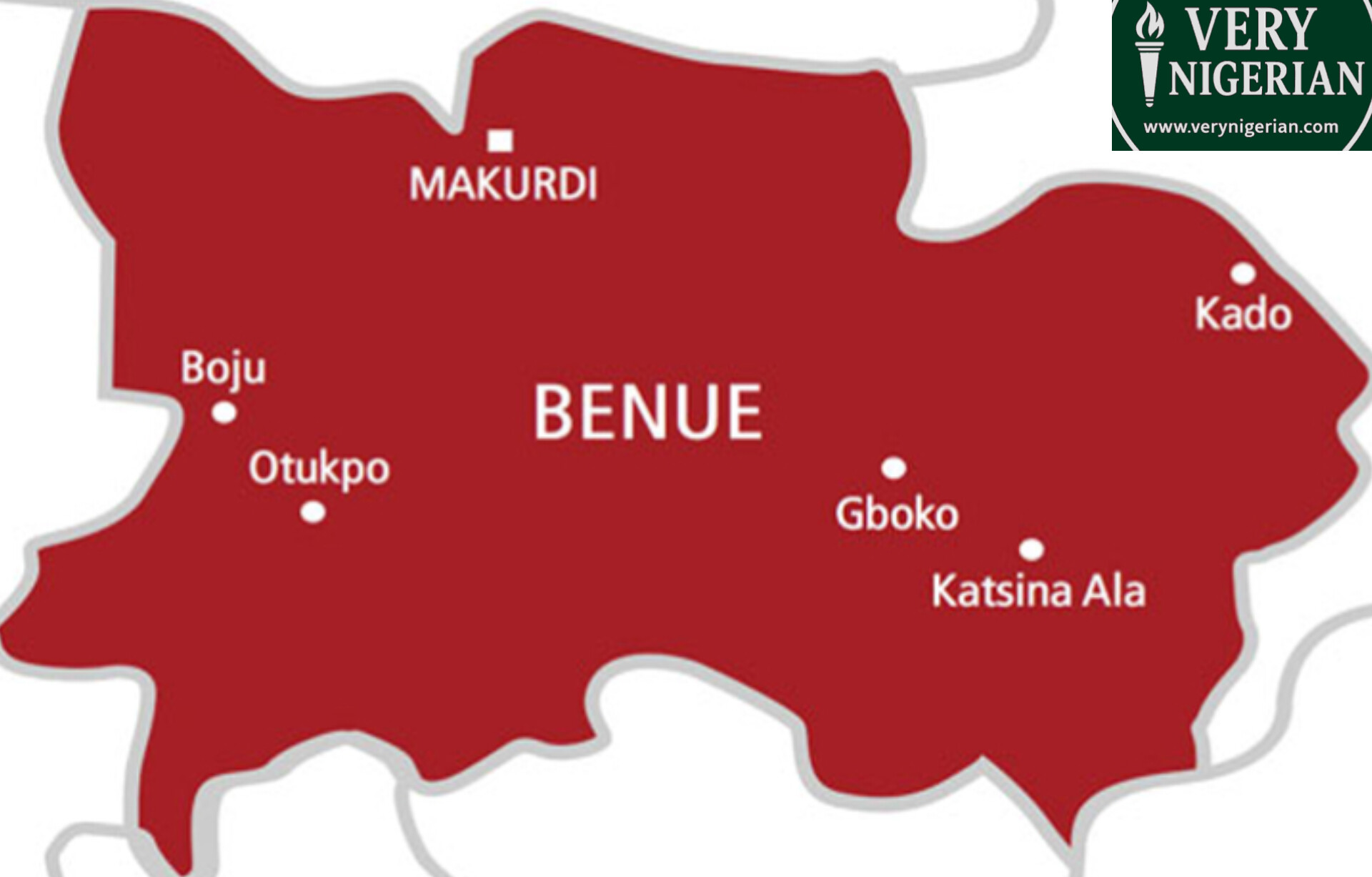
At least four frontline medical personnel in Benue State have tested positive for Lassa fever, raising the total number of confirmed and suspected cases in the state to 56, the Ministry of Health and Human Services has disclosed.
The affected health workers include three nurses and a community health worker, highlighting the heightened risks faced by medical personnel during outbreaks. The ministry also confirmed eight laboratory-confirmed cases, with three deaths among confirmed patients and one probable death under investigation.
State Commissioner for Health and Human Services, Dr Paul Ogwuche, said the state has officially declared a Lassa fever outbreak and activated emergency response measures to contain the disease.
“The infection of health workers indicates gaps in infection prevention and control, which must be urgently addressed to protect frontline staff,” Dr Ogwuche said. He also mourned a Benue-born medical doctor who recently died of Lassa fever in Jos, Plateau State, describing the loss as a blow to the health sector.
The commissioner urged strict adherence to Infection Prevention and Control (IPC) protocols in all health facilities, warning that lapses could endanger both patients and healthcare providers.
In line with Governor Hyacinth Alia’s directive, the state government has activated the Public Health Emergency Operations Centre to coordinate surveillance, case management, contact tracing, and risk communication across all 23 local government areas.
Dr Ogwuche advised residents to remain calm but vigilant, noting that Lassa fever is primarily transmitted through contact with infected rodents or their urine and droppings, but can also spread from person to person, particularly in health facilities with poor infection control practices.
He further urged citizens to maintain proper hygiene, safely store food to prevent rodent infestations, avoid self-medication, and report early to health facilities if they experience symptoms such as persistent fever, headache, vomiting, diarrhoea, or unexplained bleeding.


 Follow Us on Google Discover












2027: Tinubu must be stopped, ‘even Buhari saw him as bad news’ — Hakeem Baba-Ahmed

APC sweeps all 21 chairmanship seats, 239 Councillorship positions in Kogi LG poll

‘₦29,000 Cannot sustain a retired officer’ — Atiku challenges Tinubu on police pensions, proposes initiative

FG ends 17-year blackout in Gombe community with 1MW solar mini-grid

EPL: Leeds hold Man Utd to 1-1 draw as pressure mounts on Carrick

DSS arrests of NYSC kidnappers, Faisal Maina: Why intelligence must take centre stage: by Olufemi Lawson

SSANU halts two-week strike ultimatum after FG’s intervention

Catholic priest dies after Jesus’ statue falls on him during mass in Ecuador (video)

2027: NDC will never step down for Atiku, stop attacking us – Kwankwaso replies ADC Campaign Council

I fear APC’s internal crisis more than Atiku – Shettima

Why Shettima Insults Atiku: by Farooq Kperogi

Messi’s double fires Inter Miami to 3-1 victory over Atlanta United

Opposition will front a single candidate against Tinubu, announcement will be made few days to election – Lukman

La Liga: Unstoppable Barcelona beat Real Betis 5-2 to extend winning run

EPL: Super Eagles star Iwobi fires Fulham to first league victory

2027: Step down if you are not working for Tinubu – Deji Adeyanju dares Obi, Kwankwaso

2027: Kwankwaso a goat in sheep’s clothing, secretly working for Tinubu – Atiku Campaign Council

Security forces arrest five suspects over abduction of 20 NYSC members in Imo

33 Governors cannot be wrong in supporting Tinubu – Bayo Onanuga
Opposition will front a single candidate against Tinubu, announcement will be made few days to election – Lukman

2027: ‘I wont join my Uncle to support Tinubu’ – Davido says

DSS arrests Maina’s fugitive son in Abuja, hands him over to EFCC

Gunmen kill four vigilantes in Plateau community

Veteran Journalist, diplomat Dele Cole dies at 86

Tension as traditional ruler collapses, dies in Ondo

Ogun hospital under fire as Nurse dies of asthma attack amid alleged oxygen failure

Suspended NSCDC commandant apologises over deaths of suspected illegal miners in Niger

Buhari backed Osinbajo’s presidential ambition four times, Akande tells Babachir Lawal

Macky Sall quits race for UN Secretary-General position
