National News
BREAKING: Tinubu govt seeks fresh $1.2 billion World Bank loan

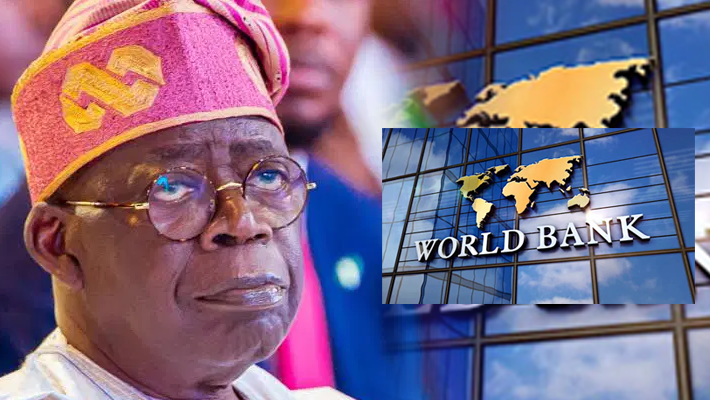
The administration of President Bola Tinubu is preparing to secure another major external loan from the World Bank, as Nigeria advances plans for a fresh $1.25bn facility that could become the second-largest multilateral loan obtained under the current government.
The proposed financing, titled Nigeria Actions for Investment and Jobs Acceleration, is said to have reached an advanced stage in the approval process and is expected to be presented to the World Bank board on June 26, 2026.
According to available documents, the facility has moved beyond initial assessment phases, indicating intensified negotiations between Nigerian authorities and the international lender.
If approved, the loan would rank second only to the $1.5bn Reforms for Economic Stabilisation to Enable Transformation Development Policy Financing secured in June 2024 under the Tinubu administration.
At the prevailing exchange rate of N1,361.4 to the dollar, the proposed $1.25bn facility is valued at about N1.70tn, underscoring the scale of external financing being pursued to support ongoing reforms.
The development comes amid growing concerns over Nigeria’s rising debt burden and its increasing reliance on multilateral funding to stabilise the economy, drive reforms, and stimulate job creation.
Data from the World Bank programme documents suggest that if approved and fully disbursed, Nigeria’s external debt could rise from N74.43tn ($51.86bn) as of December 31, 2025, to about N76.13tn ($53.11bn).
Similarly, the country’s total public debt stock may increase from N159.28tn to approximately N160.98tn, further deepening concerns about debt sustainability.
The proposed facility is expected to fund reforms aimed at improving economic competitiveness, attracting private sector investment, and expanding job opportunities across key sectors.
However, the development is likely to reignite public debate over Nigeria’s borrowing strategy, especially as citizens continue to grapple with inflation, rising living costs, and the impact of ongoing economic reforms.
Earlier, Nigeria’s Accountant-General of the Federation, Dr Shamseldeen Ogunjimi, warned that the federal government could reconsider World Bank loan arrangements if delays in approval and disbursement persist.
He stressed that prolonged processing timelines could disrupt project execution, noting that “if approvals take more than six months, the Nigerian Government may no longer honour such arrangements.”
With the 2027 general elections approaching, concerns have also been raised over the timing and long-term implications of Nigeria’s expanding debt profile.


 Follow Us on Google Discover



2027: ‘Everything I do now is about Tinubu’s re-election, I think of it when I eat, sleep’ – Wike

2027: Wike mocks Atiku-Amaechi ticket, calls it ‘joint ticket of corruption’

2027: Chinda, Duke, Omo-Agege, others in limbo as INEC reviews Supreme Court verdict

Insecurity: Tinubu hold crucial meeting with defence Minister Musa in Lagos

Military aircraft crash: Tinubu declares three-day national mourning

Nigeria vs Russia: Date, time, venue where to stream

2027: 58 deregistered parties back Tinubu, Sokoto gov Aliyu

SSANU threatens University shutdown over unpaid arrears, gives FG 14 days deadline

Niger tragedy: Shettima announces N250m support for families dead miners

JAMB to establish UTME Centre in Canada for Nigerians in North America from 2027

Rivers govt shut down 21 health facilities over alleged child trafficking

Abiy Ahmed reappointed Prime Minister of Ethiopia

BREAKING: 32 persons were on board says FG, as NAF confirms ownership of crashed aircraft

2027: INEC to begin PVC distribution October 8

Shettima arrives Niger, visits families of NSCDC custodial death victims

BREAKING: Many feared dead as suspected Military Helicopter crashes in Ondo
BREAKING: 32 persons were on board says FG, as NAF confirms ownership of crashed aircraft

Tinubu meets Uzodinma in Lagos amid rift with Wike’s Rainbow Coalition – Details Emerge

Nine Zamfara lawmakers join ADC after dumping APC

2027: ‘He betrayed APGA’ – Anambra govt tells electorate to reject Obi, NDC

‘I warned El-Rufai to go on exile or they would jail him’ — Buba Galadima

Panic as fuel tanker catches fire, destroys shops, vehicles in Cross River

2027: Anxiety mounts as INEC awaits Supreme Court judgment on party membership rules

JUST IN: Kidnappers torture 20 corps members, demand N5m ransom each

BREAKING: 8 Zamfara Assembly members dump APC

BREAKING: Temi Nkem wins BBNaija Season 11 ‘Show Ya Sef’

2027: PDP begins Anambra South campaign, vows to reclaim senate seat

Meet Temi Nkem, winner of BBnaija season 11

‘Tinubu saved Nigeria from economic collapse, be generous to him’ – VP Shettima
