News
El-Rufai was kept in detention to be humiliated, not because he committed any crime — Political Commentator

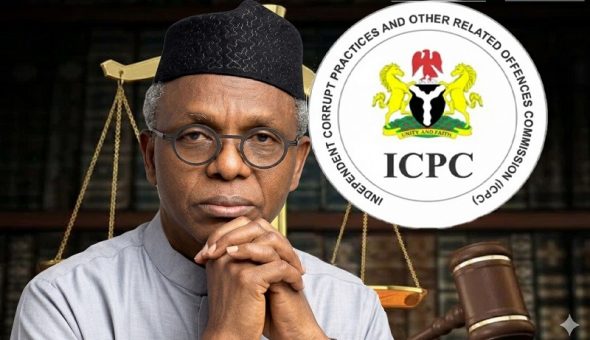
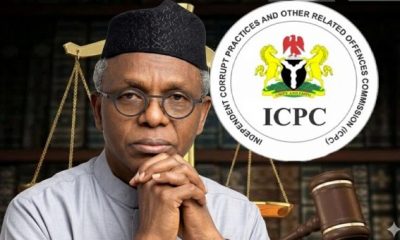
A social media commentator, Imran U. Wakili, has stirred debate after claiming that the temporary release of former Kaduna State governor, Nasir El-Rufai, from the custody of the Independent Corrupt Practices and Other Related Offences Commission (ICPC) suggests he was unfairly detained.
Wakili made the claim in a post on X (formerly Twitter) shortly after news broke of El-Rufai’s release, which followed the death of his mother, Hajiya Umma, on Friday.
According to him, the timing of the release raises questions about the justification for the former governor’s prolonged detention, alleging that it may have been intended to humiliate rather than prosecute.
“The sudden release of Nasir Ahmad El-Rufai shows that they were only keeping him to humiliate him, not because he committed any crime,” Wakili wrote.
He further argued that while the release could reflect a degree of conscience on the part of authorities, it also highlights what he described as unjust treatment.
El-Rufai had been in ICPC custody over allegations bordering on financial misconduct and related offences.
However, the anti-graft agency has yet to issue an official statement clarifying the conditions surrounding his temporary release.
The claims have since added to ongoing public discourse surrounding the former governor’s legal troubles and the broader issues of due process and accountability in Nigeria’s anti-corruption efforts.
Background
The detention and subsequent release of former Kaduna State Governor, Nasir El-Rufai, by the Independent Corrupt Practices and Other Related Offences Commission (ICPC) comes against the backdrop of Nigeria’s ongoing anti-corruption efforts, which have increasingly involved high-profile political figures.
In recent years, actions by anti-corruption agencies have often sparked public debate, particularly where arrests, detentions, or investigations involve prominent politicians.
While such moves are officially framed as part of efforts to promote accountability and transparency, critics have sometimes questioned the motives, timing, and handling of these cases.
The situation has also highlighted the growing influence of social media in shaping public perception, as commentators and influencers weigh in on sensitive political and legal developments.
It is within this context that reactions to El-Rufai’s detention and release have emerged, reflecting broader concerns about due process, fairness, and the politicisation of anti-corruption enforcement in Nigeria.


 Follow Us on Google Discover







Opposition will front a single candidate against Tinubu, announcement will be made few days to election – Lukman

La Liga: Unstoppable Barcelona beat Real Betis 5-2 to extend winning run

EPL: Super Eagles star Iwobi fires Fulham to first league victory

Ogun hospital under fire as Nurse dies of asthma attack amid alleged oxygen failure

Maryam Babangida Center for Women Devt gets first wheel chair ramp after 34 years

Shettima inaugurates Arewa for Asiwaju campaign office in Abuja

2027: ‘APM will beat Tinubu in 12 battleground states’ – Makinde’s campaign team

Veteran Journalist, diplomat Dele Cole dies at 86

Suspended NSCDC commandant apologises over deaths of suspected illegal miners in Niger

EPL: Martinez rushed to hospital after head injury as Chelsea beat Everton

COAS arrives Borno as Military moves to clear terrorist camps, rescue abductees

Macky Sall quits race for UN Secretary-General position

Buhari backed Osinbajo’s presidential ambition four times, Akande tells Babachir Lawal

Dr. Benjamins‑Laniyi urges media to amplify women’s leadership, adopt gender‑sensitive reporting

Pope Leo XIV set to leave hospital after lung cancer surgery

Erisco Foods announces 13 job openings across Nigeria – Apply Now

2027: Step down if you are not working for Tinubu – Deji Adeyanju dares Obi, Kwankwaso

House Officers, Nurses, Radiographers, Others wanted as DELSUTH opens recruitment – Apply Now

Tinubu reappoints Bala Bila as INEC commissioner, nominates six others

Elon Musk unveils Tesla’s ‘flying’ car in stunning demonstration

2027: Kwankwaso a goat in sheep’s clothing, secretly working for Tinubu – Atiku Campaign Council

33 Governors cannot be wrong in supporting Tinubu – Bayo Onanuga

2027: Tinubu to miss rallies in over 20 States as APC releases campaign timetable

Atiku fully fit, ready to campaign in all 36 states, interact with Nigerians – ADC PCC

Security forces arrest five suspects over abduction of 20 NYSC members in Imo

Gunmen storm Plateau, kill traditional ruler at residence

Outrage as suspected cultists unveil renovated police post in Rivers

2027: ‘Atiku, Obi, Duke, Makinde are not threats to Tinubu’, says APC

Osun Police arrest three suspects over murder, recover weapons
