
National News
FG, APCL lock horns over ownership of Gurara II Hydropower project
Lawmakers said the dispute arose from a formal petition submitted by APCL, accusing federal authorities of sidelining the company from a project it claims to have initiated since 2004.

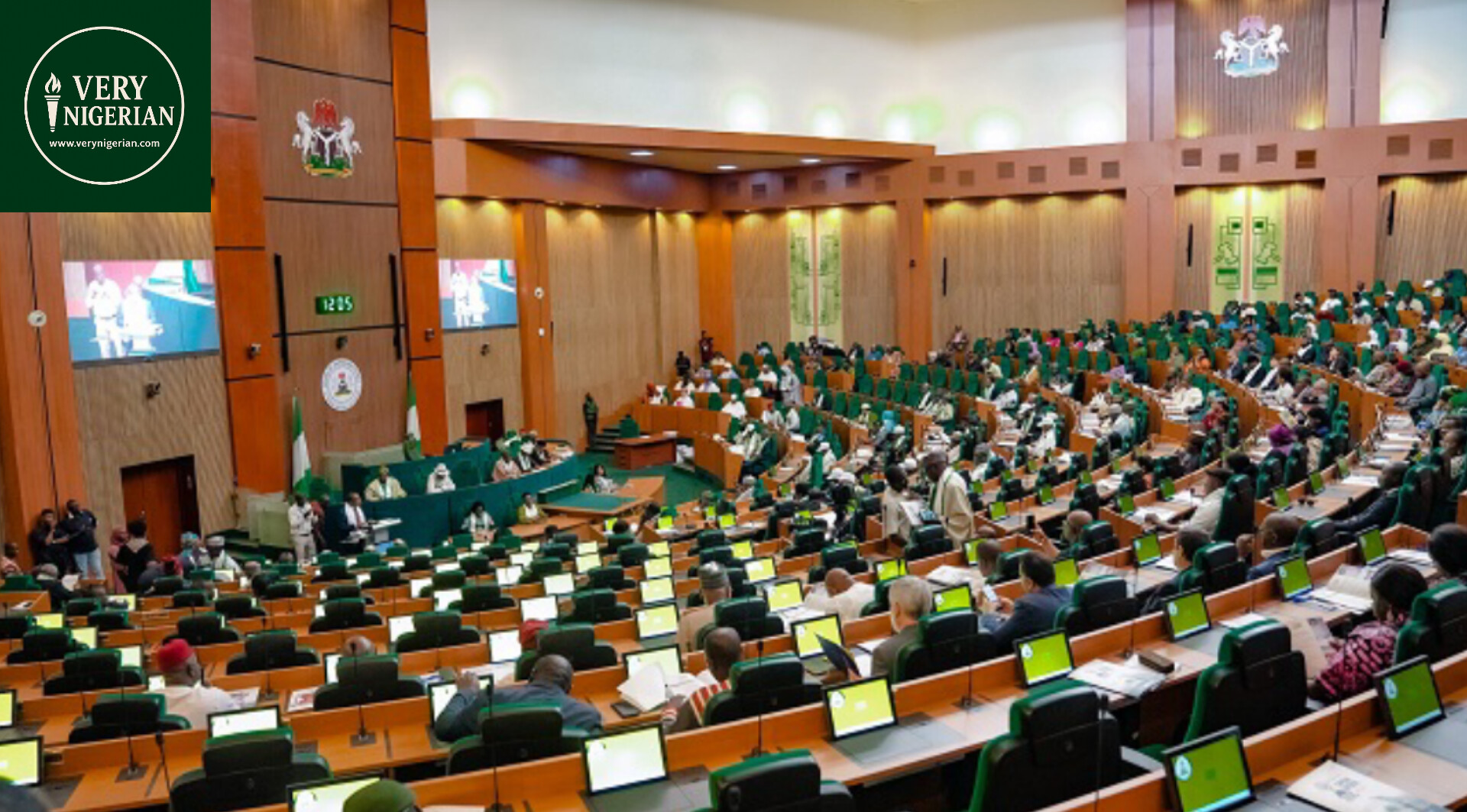
A mild drama unfolded on Wednesday at the House of Representatives Committee on Water Resources as lawmakers commenced deliberations on a petition arising from a dispute between Abuja Power Company Limited (APCL) and the Federal Ministry of Water Resources and Sanitation over the proposed Gurara II Hydropower Project in Niger State.
Chairman of the committee, Hon. Sada Soli, while addressing the meeting in Abuja, said the matter falls squarely within the committee’s oversight mandate. He disclosed that the panel received a formal petition from APCL’s legal representatives challenging the Federal Government’s handling of the Gurara II project.
Gurara II is a proposed multipurpose hydropower dam project located in Niger State. Lawmakers explained that the project site lies within a federal government irrigation dam axis, off the Buarli Jere Junction road leading to Kaluniga and Kampacheng.
At the hearing, the Minister of Water Resources and Sanitation, Mr Joseph Terlumun Utsev, confirmed that he was representing the Federal Government, while APCL was represented by its legal team and a company director, Prof. George Momen, who appeared in place of the firm’s managing director.
Presenting the petition, APCL’s lead counsel, Mr Oluwemi Okunbi, SAN, told the committee that the dispute centres on the Gurara II project, which he said was initiated by APCL as far back as 2004.
According to him, the company obtained a Certificate of Occupancy from the Niger State Government to develop the project, but the title was later revoked, allegedly following interventions by federal officials seeking to transfer the project to another firm.
Okunbi said APCL was forced to approach the courts twice to restore the revoked title, a process that caused significant delays to the project.
He explained that the Gurara II project was conceived as a multipurpose development encompassing irrigation, power generation and hospitality, with anticipated benefits for host communities and the national economy.
The senior advocate added that APCL repeatedly sought an amicable resolution with the Ministry of Water Resources and other relevant authorities, including the Office of the Attorney-General of the Federation, stressing that the matter was of national importance and should not be unnecessarily prolonged through litigation.
In its petition, APCL made three key requests to the committee. First, the company urged lawmakers to note that the concession or public-private partnership arrangement allegedly awarded to a Chinese firm, CGC Nigeria Limited, contravened provisions of the Public Procurement Act, the Infrastructure Concession Regulatory Commission (ICRC) Act and regulations governing unsolicited proposals.
Secondly, APCL asked that CGC Nigeria Limited be restrained from taking further steps on the project unless equivalent terms were first offered to APCL as the original project initiator.
In the alternative, the company requested that if the ministry chose not to proceed with APCL’s unsolicited proposal, it should be adequately compensated in line with extant laws, and the project advertised and procured through a transparent competitive bidding process.
Prof. Momen, speaking briefly, confirmed that the prayers contained in the petition reflected APCL’s position.
Responding, the Minister of Water Resources and Sanitation told the committee that Gurara II is a proposed 360-megawatt multipurpose dam project conceived after the completion of Gurara I. He said the project was designed to support power generation, irrigation of about 8,000 hectares of farmland, fisheries, flood control and tourism.
Utsev explained that in 2010, the ministry engaged three consortiums to conduct technical assessments on the project, with the expectation that it would be funded by the Federal Government. However, due to funding constraints, the ministry later adopted a selective procurement process and awarded the project to CGC Nigeria Limited based on technical and financial evaluations.
The minister said APCL only surfaced after the project had been procured, claiming prior land allocation and expenses incurred. He added that upon assuming office, he invited both APCL and CGC for discussions and advised them to reach an agreement on compensation.
However, he noted that the situation became complicated when APCL proceeded to court, stressing that the ministry could not engage in settlement talks while the matter remained under litigation.
“So long as this issue is in court, our hands are tied. If it is withdrawn from court, then we can sit as a family and resolve it amicably,” the minister said.
Several lawmakers raised concerns over due diligence, ownership of the project, the role of the Niger State Government, and whether APCL acted as a volunteer or with lawful authority when it commenced activities on the site.
Others cautioned the committee against delving into issues already before the courts, warning that such actions could prejudice ongoing judicial proceedings.
At the end of the session, following the committee’s intervention, APCL agreed to adjourn its court case sine die to allow room for an amicable resolution with the Ministry of Water Resources and Sanitation.


 Follow Us on Google Discover









Opposition will front a single candidate against Tinubu, announcement will be made few days to election – Lukman

La Liga: Unstoppable Barcelona beat Real Betis 5-2 to extend winning run

EPL: Super Eagles star Iwobi fires Fulham to first league victory

Ogun hospital under fire as Nurse dies of asthma attack amid alleged oxygen failure

Maryam Babangida Center for Women Devt gets first wheel chair ramp after 34 years

Shettima inaugurates Arewa for Asiwaju campaign office in Abuja

2027: ‘APM will beat Tinubu in 12 battleground states’ – Makinde’s campaign team

Veteran Journalist, diplomat Dele Cole dies at 86

Suspended NSCDC commandant apologises over deaths of suspected illegal miners in Niger

EPL: Martinez rushed to hospital after head injury as Chelsea beat Everton

COAS arrives Borno as Military moves to clear terrorist camps, rescue abductees

Macky Sall quits race for UN Secretary-General position

Buhari backed Osinbajo’s presidential ambition four times, Akande tells Babachir Lawal

Dr. Benjamins‑Laniyi urges media to amplify women’s leadership, adopt gender‑sensitive reporting

Pope Leo XIV set to leave hospital after lung cancer surgery

Erisco Foods announces 13 job openings across Nigeria – Apply Now

2027: Step down if you are not working for Tinubu – Deji Adeyanju dares Obi, Kwankwaso

House Officers, Nurses, Radiographers, Others wanted as DELSUTH opens recruitment – Apply Now

Tinubu reappoints Bala Bila as INEC commissioner, nominates six others

Elon Musk unveils Tesla’s ‘flying’ car in stunning demonstration

2027: Kwankwaso a goat in sheep’s clothing, secretly working for Tinubu – Atiku Campaign Council

2027: Tinubu to miss rallies in over 20 States as APC releases campaign timetable

33 Governors cannot be wrong in supporting Tinubu – Bayo Onanuga

Atiku fully fit, ready to campaign in all 36 states, interact with Nigerians – ADC PCC

Security forces arrest five suspects over abduction of 20 NYSC members in Imo

Gunmen storm Plateau, kill traditional ruler at residence

Outrage as suspected cultists unveil renovated police post in Rivers

2027: ‘Atiku, Obi, Duke, Makinde are not threats to Tinubu’, says APC

2027: ‘Don’t trust your destiny to ‘kalokalo’ people’ – Wike warns Rivers voters against Atiku, Amaechi, Obi
