
Business News
Fuel imports from Russia destroying Nigeria’s downstream sector — Dangote

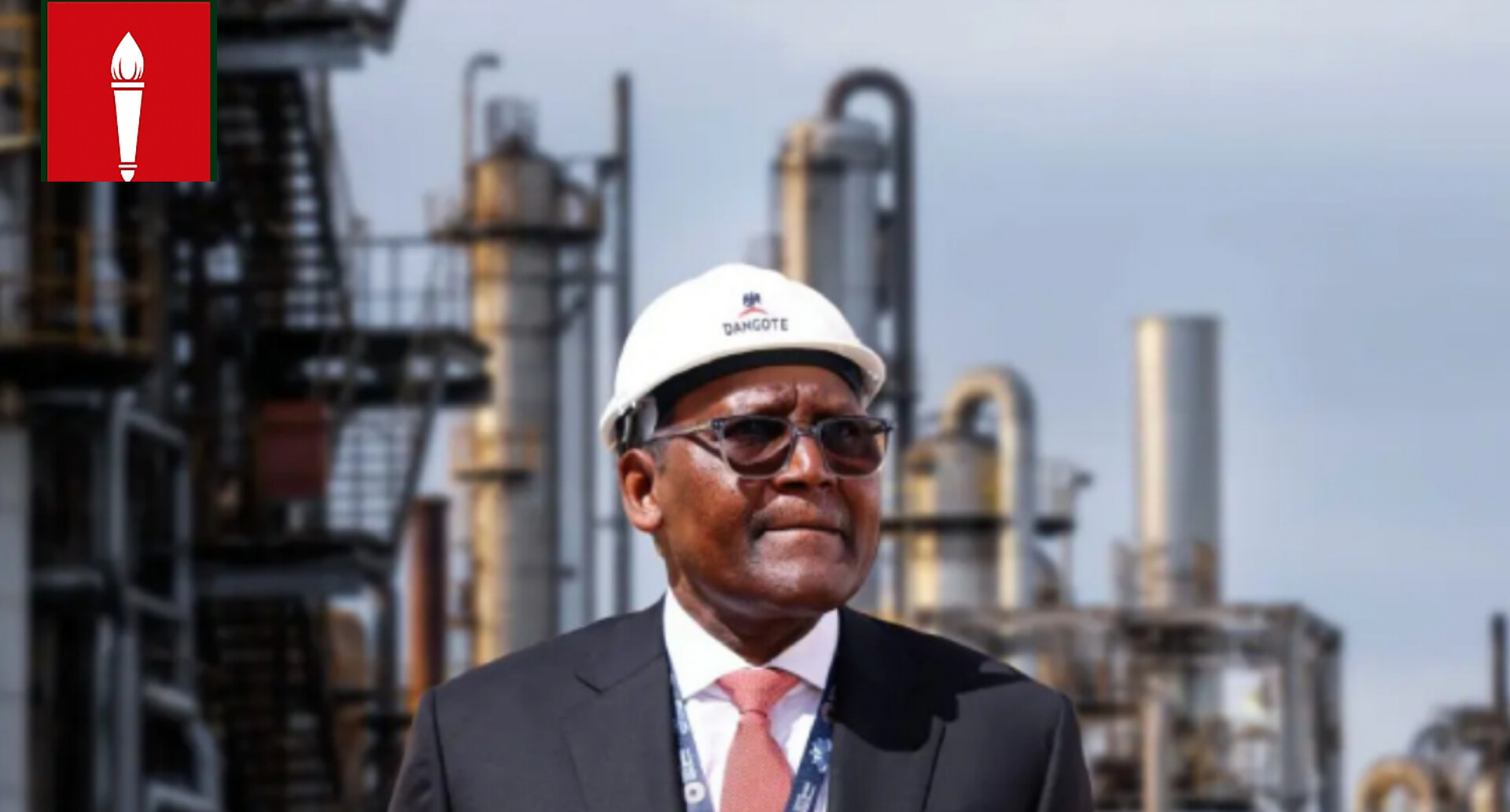
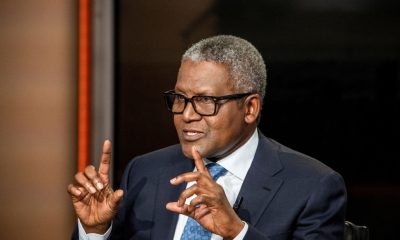
Chairman of Dangote Industries Limited, Aliko Dangote, has accused the Nigerian Midstream and Downstream Petroleum Regulatory Authority (NMDPRA) of issuing licences for the importation of petroleum products from Russia, a move he said is crippling local refining and undermining Nigeria’s downstream sector.
Dangote made the allegation on Sunday during a media parley at the Dangote Refinery, where he spoke extensively on the state of the downstream oil sector and raised concerns over what he described as entrenched interests within the regulatory system.
The billionaire industrialist accused the leadership of the NMDPRA, headed by its chief executive officer, Farouk Ahmed, of colluding with international traders and fuel importers to frustrate domestic refining through the continued issuance of import licences.
According to him, despite efforts by his refinery to stabilise supply and keep pump prices low, certain interests are determined to weaken the economy by allowing large volumes of imported fuel into the country.
“Some people are really bent on destroying the economy of the country by making sure that they keep issuing licences to bring in products from Russia,” Dangote said.
He disclosed that the NMDPRA had issued licences for the importation of about 7.5 billion litres of premium motor spirit (PMS) for the first quarter of 2026, even after assuring Nigerians of adequate domestic supply.
Dangote explained that Russian petroleum products enjoy significant price discounts, placing Nigerian refiners at a disadvantage.
“The Russian product is at a discount of between $20 and $25 per tonne, while Nigeria’s own crude is sold at a premium of about $2 to $3. That creates an imbalance of nearly $28,” he said.
“As far as I’m concerned, Nigerians are paying a very great price because this is destroying the downstream refineries.”
He lamented the steady collapse of downstream operations in the country, noting that major international oil companies have exited the sector, while local and modular refineries are struggling to survive under the current policy environment.
“When you look at it now, how many downstream actors do we have? All the foreign companies have left the country. Nobody is operating downstream,” he said.
Dangote warned that the continued issuance of import permits would make it impossible for new refineries to emerge, stressing that no investor would commit capital in an environment hostile to local production.
“There are powerful interests in the oil sector. The volume of imports being allowed into the country is totally unethical and does a disservice to Nigeria,” he said.
“We have already built our own refinery. Others will not be able to build theirs if this continues.”
He further cautioned that the downstream sector must not be sacrificed for personal gain, insisting on a clear separation between regulatory oversight and commercial trading interests.
“A trader should never be a regulator,” Dangote said, alleging that 47 licences have been issued without translating into new refinery investments due to an unfriendly operating environment.
He also claimed that local refiners are compelled to buy Nigerian crude at premiums of up to four dollars per barrel from international oil company trading arms, further eroding competitiveness.
Dangote urged the federal government to ensure crude oil taxes are assessed based on actual transaction values, warning that under-declaration of prices could lead to significant revenue losses.
In May 2023, NMDPRA chief executive Farouk Ahmed announced the agency’s readiness to issue petrol import licences, citing provisions of the Petroleum Industry Act (PIA) 2021, which empowers the authority to license qualified refiners and crude producers.
Dangote, however, insisted that unless regulatory policies are aligned with national interest, Nigeria risks weakening its refining capacity and deepening dependence on imported fuel.


 Follow Us on Google Discover





Tension as traditional ruler collapses, dies in Ondo

2027: Kwankwaso a goat in sheep’s clothing, secretly working for Tinubu – Atiku Campaign Council

DSS arrests Maina’s fugitive son in Abuja, hands him over to EFCC

2027: Step down if you are not working for Tinubu – Deji Adeyanju dares Obi, Kwankwaso

2027: ‘I wont join my Uncle to support Tinubu’ – Davido says

Enugu NYSC death: NAFDAC debunks claims linking corps members death to fake drugs

33 Governors cannot be wrong in supporting Tinubu – Bayo Onanuga

Security forces arrest five suspects over abduction of 20 NYSC members in Imo

Rugby star Hyron Andrews dies at 31 after accidental fall in South Africa

LAUTECH Resident Doctors halt 50-day strike as Makinde intervenes

House Officers, Nurses, Radiographers, Others wanted as DELSUTH opens recruitment – Apply Now

FG raises health fund allocation to N40.76bn, extends insurance to prison inmates

Erisco Foods announces 13 job openings across Nigeria – Apply Now

Tinubu reappoints Bala Bila as INEC commissioner, nominates six others

2027: ‘Don’t trust your destiny to ‘kalokalo’ people’ – Wike warns Rivers voters against Atiku, Amaechi, Obi
Erisco Foods announces 13 job openings across Nigeria – Apply Now
‘You Betrayed Osun People’ — Adeleke, Davido face backlash over support for Tinubu

Ex-Senator Bello Mandiya’s body found in Abuja home three days after he slipped, hit his head in the bathroom
Tinubu reappoints Bala Bila as INEC commissioner, nominates six others

JUST IN: Finnish Appeal Court reduces Simon Ekpa’s jail term to four years, upholds terrorism conviction

Zamfara govt set to empower 36,176 residents with Dangote shares

Over 10 soldiers, four civilians feared dead as Boko Haram terrorists attack Borno military base

‘I love Islam, I’ve sent people to Mecca to pray for me, Nigeria for 25 years’ – Akpabio
House Officers, Nurses, Radiographers, Others wanted as DELSUTH opens recruitment – Apply Now

Umahi reopens first Niger bridge after emergency repairs, displays Tinubu’s photos

Elon Musk unveils Tesla’s ‘flying’ car in stunning demonstration

Panic in Rivers community as pipeline explosion injures 20, razes over 50 houses

Tension escalates as thugs attack NDC secretariat in Edo, destroy properties

Lagos govt announces 3-day traffic diversion on Independence bridge for emergency repairs
