Editorials
Naija, 9ja, Nigerian: What’s the difference and when to use each

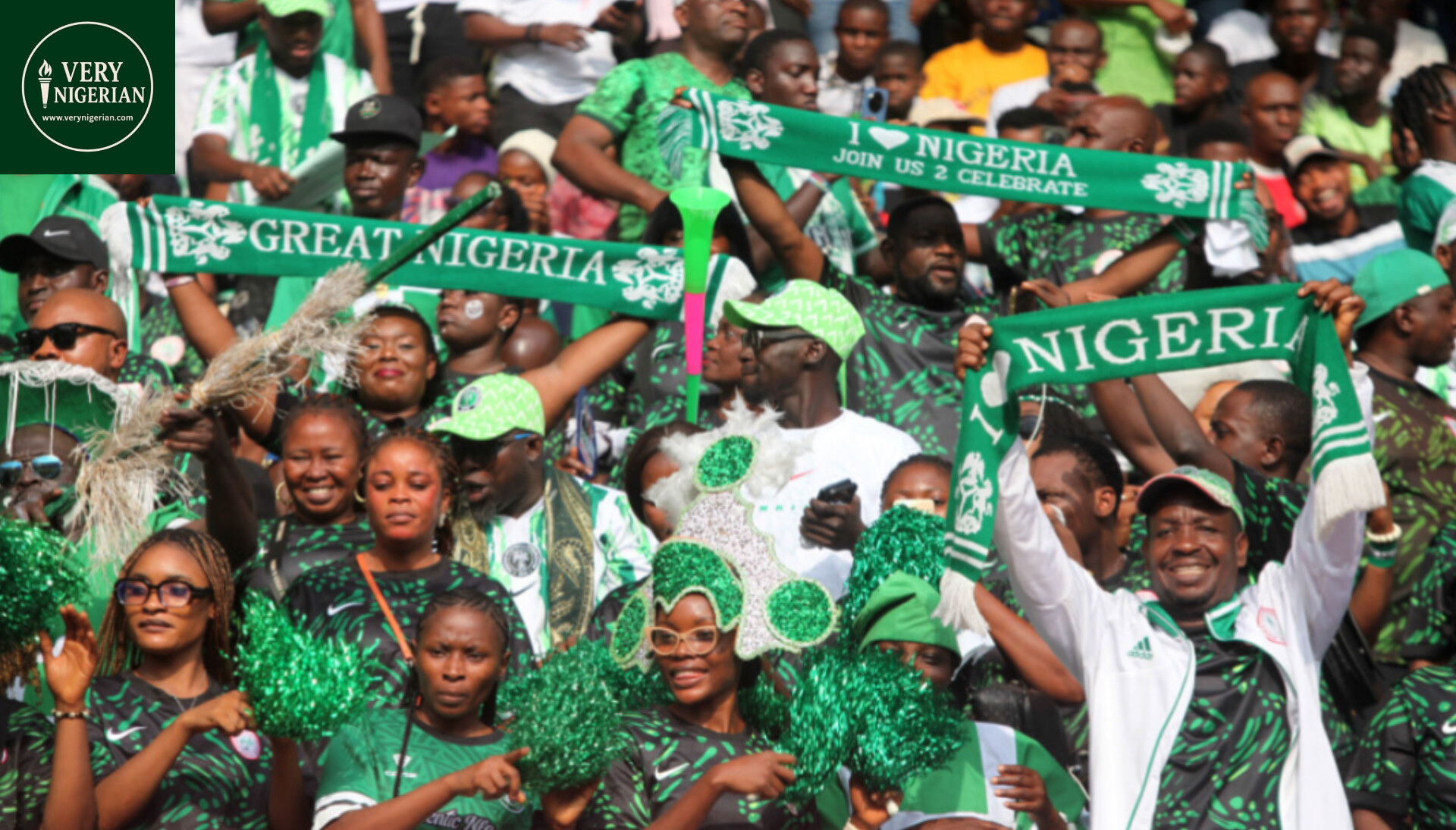
Nigeria is Africa’s most populous nation, home to over 226 million people and 371 ethnic groups.
On the surface, the question “What are people from Nigeria called?” seems simple.
The answer, however, reveals layers of nationality, ethnicity, culture, and identity that make Nigeria uniquely complex.
Nigerian vs Nigerien: Clearing the Confusion
First, let’s tackle a common mix-up. Nigerian refers to citizens of the Federal Republic of Nigeria, an English-speaking country along the Gulf of Guinea.
Nigerien refers to citizens of the Republic of Niger, a French-speaking landlocked country to the north.
Both share the Niger River, some ethnic overlap, and a similar-sounding name, but they are distinct nations with different cultures, histories, and political systems.
Nationality, Citizenship, and Legal Identity
At its core, anyone born in Nigeria or with Nigerian parentage is a Nigerian by nationality. Citizenship is recognized through birth, descent, registration, or naturalization.
Nigeria allows dual citizenship, so diaspora Nigerians can hold foreign passports while retaining their Nigerian nationality.
Legal nationality is formal, consistent, and recorded on official documents like passports and government records.
Ethnic Identity: More Than “Nigerian”
“Nigerian” is not an ethnicity. Within Nigeria, people identify primarily by ethnic group.
The three largest, Hausa-Fulani, Yoruba, and Igbo, make up most of the population, but the remaining 368 ethnic groups are culturally and politically significant.
Ethnic identity shapes language, customs, social networks, and often political affiliation.
Asking a Nigerian “What’s your ethnicity?” usually yields a specific ethnic group rather than the general label “Nigerian.”
Naija: Pride, Culture, and Informal Identity
Among Nigerians themselves, the term Naija has emerged as an affectionate, informal way of referring to the nation and its people.
Derived from Nigerian Pidgin English, it conveys cultural authenticity, pride, and belonging. Social media hashtags like #NaijaTwitter and references in music, food, and fashion have made Naija a global cultural brand. It signals emotional connection, not legal citizenship.
Regional, Religious, and Diaspora Layers
Identity doesn’t stop at ethnicity. Nigerians also navigate regional identities (North, South, Middle Belt), religious affiliation (Muslim, Christian, traditional), and diaspora experiences (British-Nigerian, American-Nigerian). Each layer adds nuance and context, meaning a person can be Nigerian, Yoruba, Christian, Northern, and British-Nigerian simultaneously.
Informal Variants: 9ja and Slang
The term 9ja is a playful, text-friendly version of Naija, popular in messaging, social media, and among younger Nigerians.
It carries informal, insider connotations, often used for humour, casual conversation, and cultural expression.
A Quick Reference Table
| Term | Formality | Usage | Emotional Tone | Who Uses It |
|---|---|---|---|---|
| Nigerian | Formal | Passports, official documents | Neutral | Government, international contexts |
| Naija | Informal | Music, social media, casual conversation | Affectionate, proud | Urban Nigerians, youth culture, diaspora |
| Naija people | Informal | Community gatherings, diaspora events | Inclusive, warm | Nigerians worldwide |
| 9ja | Very informal | Messaging, social media | Playful, insider | Younger Nigerians, internet culture |
| Nigerian citizen | Formal | Legal, bureaucratic | Official | Government, legal contexts |
| Person of Nigerian descent | Formal | Diaspora forms, research | Descriptive | Second-generation Nigerians |
The Takeaway
- In formal contexts, use Nigerian.
- In cultural, casual, or social contexts, use Naija or Naija people.
- When discussing heritage or ethnicity, refer to specific ethnic groups.
- Diaspora Nigerians often use hyphenated forms like British-Nigerian or Canadian-Nigerian.
Conclusion
People from Nigeria are officially Nigerians, informally Naija, and ethnically specific according to ancestral heritage.
Understanding these distinctions helps navigate the richness of Nigerian identity: a sophisticated, layered, and fluid identity that embraces ethnic diversity, cultural pride, and national unity simultaneously.


 Follow Us on Google Discover



Enugu NYSC death: NAFDAC debunks claims linking corps members death to fake drugs

33 Governors cannot be wrong in supporting Tinubu – Bayo Onanuga

Security forces arrest five suspects over abduction of 20 NYSC members in Imo

Rugby star Hyron Andrews dies at 31 after accidental fall in South Africa

LAUTECH Resident Doctors halt 50-day strike as Makinde intervenes

House Officers, Nurses, Radiographers, Others wanted as DELSUTH opens recruitment – Apply Now

FG raises health fund allocation to N40.76bn, extends insurance to prison inmates

Erisco Foods announces 13 job openings across Nigeria – Apply Now

Tinubu reappoints Bala Bila as INEC commissioner, nominates six others

2027: ‘Don’t trust your destiny to ‘kalokalo’ people’ – Wike warns Rivers voters against Atiku, Amaechi, Obi

BREAKING: Cross River PDP Chairman Venatius Ikem resigns, cites leadership crisis

Real Madrid call for immediate resignation of La Liga President over controversial remarks

BREAKING: Oyebanji makes history as first Ekiti Governor to win second consecutive term

Atiku fully fit, ready to campaign in all 36 states, interact with Nigerians – ADC PCC

2027: Tinubu afraid to face Nigerians, has no business seeking re-election — Atiku campaign council
Erisco Foods announces 13 job openings across Nigeria – Apply Now

2027: Atiku, Obi, Makinde, Adebayo, Duke hold talks with six opposition parties

‘You Betrayed Osun People’ — Adeleke, Davido face backlash over support for Tinubu

Ex-Senator Bello Mandiya’s body found in Abuja home three days after he slipped, hit his head in the bathroom

JUST IN: Finnish Appeal Court reduces Simon Ekpa’s jail term to four years, upholds terrorism conviction
Tinubu reappoints Bala Bila as INEC commissioner, nominates six others

Zamfara govt set to empower 36,176 residents with Dangote shares

Umahi reopens first Niger bridge after emergency repairs, displays Tinubu’s photos

Over 10 soldiers, four civilians feared dead as Boko Haram terrorists attack Borno military base

‘I love Islam, I’ve sent people to Mecca to pray for me, Nigeria for 25 years’ – Akpabio

Tension escalates as thugs attack NDC secretariat in Edo, destroy properties

Lagos govt announces 3-day traffic diversion on Independence bridge for emergency repairs

Tension mounts as NLC rejects FG’s response to 14-day ultimatum

‘Local champion’ – Donald Duke takes fresh swipe at Gov Diri over Lagos-Calabar coastal highway
