Editorials
The illusion of sovereignty and the truth Nigerians must accept

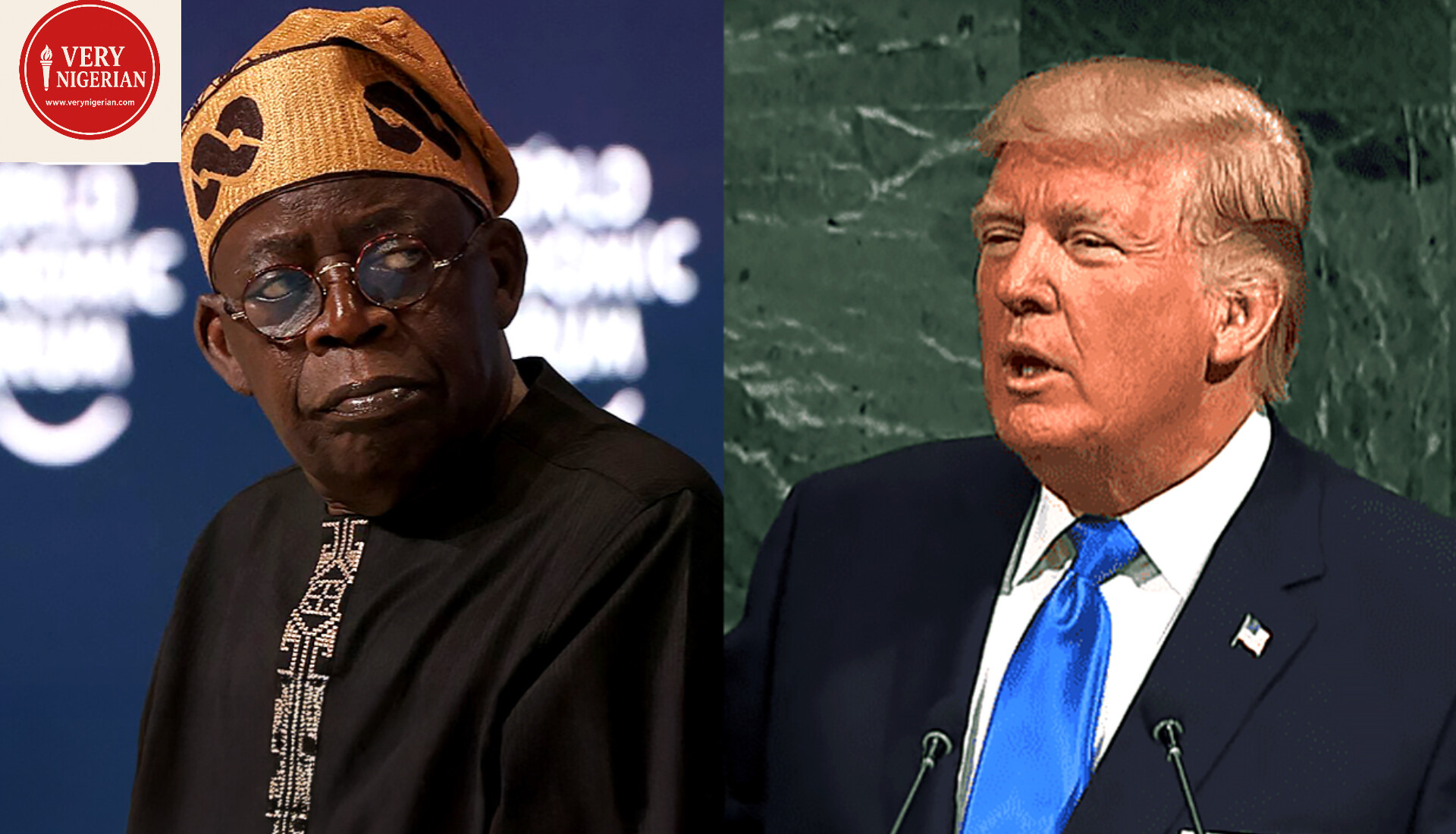
Nigeria is an independent and sovereign nation, at least on paper.
Our flag flies, our anthem is sung, and our leaders speak the language of national pride.
But in the real world of global power, sovereignty is not declared; it is enforced.
And that uncomfortable truth is what many Nigerians refuse to confront honestly.
There has been loud talk in recent days about sovereignty, foreign interference and imagined red lines that “no country can cross.”
But history, recent history, tells a more sobering story. Power, not rhetoric, defines the limits of sovereignty. And in today’s global order, the United States of America remains the single most dominant power on earth.
Pretending otherwise is self-deception.
If the United States, under a leader like Donald Trump, could move decisively against a sitting president of Venezuela, a major oil-producing country, then no serious analyst should pretend Nigeria is immune.
Venezuela is not a village.
It is a strategic oil state.
Yet when its president was targeted, the world watched.
China did not mobilise.
Russia did not intervene militarily.
France did not resist.
There was outrage, yes, but no effective counteraction.
That reality should humble us.
Nigeria is not bigger than Venezuela.
Nigeria is not more strategically protected.
Nigeria does not possess military, economic or diplomatic leverage that can override American power if relations collapse into confrontation.
Those shouting “sovereignty” on social media would be in their homes, with their families, while events unfold far above their influence.
This is not defeatism. It is realism.
Global politics is not governed by moral equality; it is governed by strength, interests and enforcement capacity. The United States does not “police the world” because it is kind, but because it can. That capacity is not in doubt.
What, then, should Nigeria do?
Certainly not chest-thumping. Certainly not reckless defiance. Certainly not denial.
The sensible path is not to challenge American power rhetorically, but to close the gaps that invite foreign pressure.
Weak institutions, unresolved insecurity, governance failures, human rights controversies, and internal instability create openings for external intervention, direct or indirect.
No country is interfered with because it is strong.
Countries are interfered with because they are vulnerable.
The emerging alignment of interests between the United States and Israel, especially around religious freedom and security concerns in Nigeria, should not be dismissed as idle talk.
These are powerful actors with global reach, intelligence depth and enforcement history. When such interests converge, outcomes are rarely accidental.
This is why national self-repair matters more than nationalist noise.
The answer is not to “rebel against America.” That would be counterproductive and dangerous. History shows that confrontation without leverage ends badly.
The answer is to fix Nigeria, secure lives, protect rights, strengthen institutions, reduce corruption, and remove the very justifications external actors often cite when intervening elsewhere.
True sovereignty is not about shouting. It is about capacity.
A country that works, governs fairly, protects its citizens and commands internal legitimacy becomes harder to pressure, harder to isolate, harder to manipulate. That is the only meaningful shield in a world where power respects strength, not sentiment.
Nigeria must stop romanticising sovereignty while neglecting the substance that sustains it.
The world is not sentimental, and geopolitics is unforgiving.
If we want to be treated as a sovereign power, we must behave, and function, like one.


 Follow Us on Google Discover



Opposition will front a single candidate against Tinubu, announcement will be made few days to election – Lukman

La Liga: Unstoppable Barcelona beat Real Betis 5-2 to extend winning run

EPL: Super Eagles star Iwobi fires Fulham to first league victory

Ogun hospital under fire as Nurse dies of asthma attack amid alleged oxygen failure

Maryam Babangida Center for Women Devt gets first wheel chair ramp after 34 years

Shettima inaugurates Arewa for Asiwaju campaign office in Abuja

2027: ‘APM will beat Tinubu in 12 battleground states’ – Makinde’s campaign team

Veteran Journalist, diplomat Dele Cole dies at 86

Suspended NSCDC commandant apologises over deaths of suspected illegal miners in Niger

EPL: Martinez rushed to hospital after head injury as Chelsea beat Everton

COAS arrives Borno as Military moves to clear terrorist camps, rescue abductees

Macky Sall quits race for UN Secretary-General position

Buhari backed Osinbajo’s presidential ambition four times, Akande tells Babachir Lawal

Dr. Benjamins‑Laniyi urges media to amplify women’s leadership, adopt gender‑sensitive reporting

Pope Leo XIV set to leave hospital after lung cancer surgery

Erisco Foods announces 13 job openings across Nigeria – Apply Now

2027: Step down if you are not working for Tinubu – Deji Adeyanju dares Obi, Kwankwaso

House Officers, Nurses, Radiographers, Others wanted as DELSUTH opens recruitment – Apply Now

Tinubu reappoints Bala Bila as INEC commissioner, nominates six others

Elon Musk unveils Tesla’s ‘flying’ car in stunning demonstration

2027: Kwankwaso a goat in sheep’s clothing, secretly working for Tinubu – Atiku Campaign Council

2027: Tinubu to miss rallies in over 20 States as APC releases campaign timetable

33 Governors cannot be wrong in supporting Tinubu – Bayo Onanuga

Gunmen storm Plateau, kill traditional ruler at residence

Outrage as suspected cultists unveil renovated police post in Rivers

2027: ‘Atiku, Obi, Duke, Makinde are not threats to Tinubu’, says APC

Atiku fully fit, ready to campaign in all 36 states, interact with Nigerians – ADC PCC

2027: ‘Don’t trust your destiny to ‘kalokalo’ people’ – Wike warns Rivers voters against Atiku, Amaechi, Obi

Security forces arrest five suspects over abduction of 20 NYSC members in Imo
