World
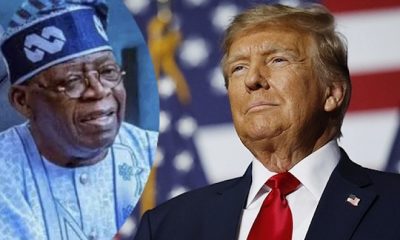
New twist after CPC designation as U.S. Lawmakers push Nigeria to scrap Sharia Law, Hisbah

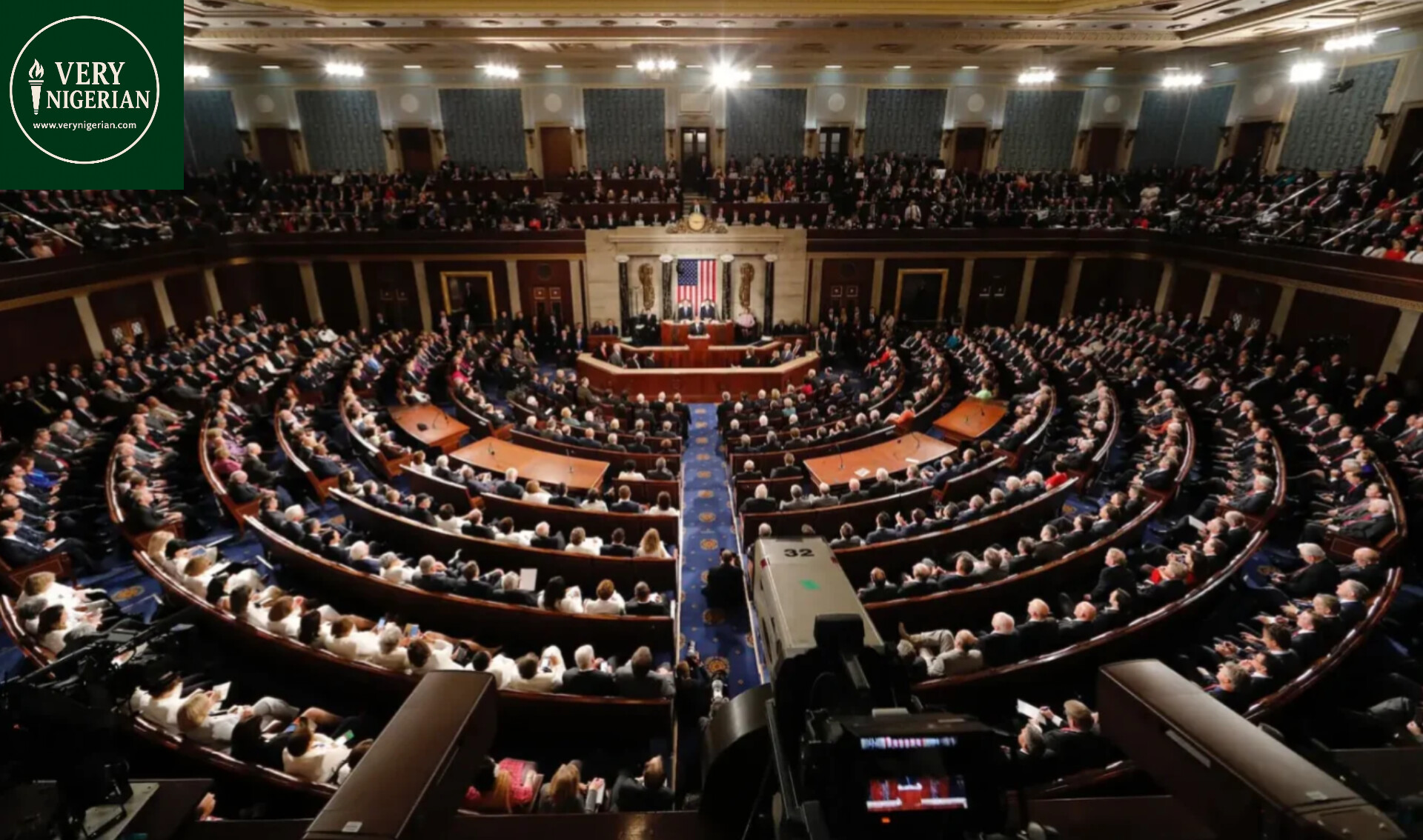
Growing calls in the United States for Nigeria to abolish Sharia law and disband Hisbah commissions have triggered fresh unease across northern states such as Kano, Katsina, Jigawa, and Zamfara, where these institutions have operated for decades as pillars of religious identity, social order, and local governance.
For many in the region, the pressure from some U.S. lawmakers to compel President Bola Tinubu to end Sharia-based legal systems is seen as an attempt to undermine constitutional freedoms that allow states to adopt legal and judicial frameworks consistent with their cultural and religious values.
Northern leaders insist that dismantling Hisbah structures and outlawing Sharia criminal law would disrupt long-standing community practices and unfairly target a region with a distinct history, demographic makeup, and religious way of life.
Their concerns grew louder on Tuesday after U.S. legislators were urged at a joint House briefing to push the Nigerian government into striking down Sharia law in the twelve northern states where it has been practiced since 2000, alongside dissolving Hisbah religious enforcement bodies accused by some American analysts of contributing to anti-Christian persecution.
During the session, which was convened in response to former U.S. President Donald Trump’s redesignation of Nigeria as a Country of Particular Concern, Dr. Ebenezer Obadare of the Council on Foreign Relations argued that extremist groups like Boko Haram and ISWAP “exploit” Sharia structures and Hisbah officials to entrench radical ideology and commit abuses.
In a statement quoted by the House Appropriations Committee, Obadare urged U.S. lawmakers to adopt a two-track strategy: support the Nigerian military in neutralising Boko Haram, and pressure President Tinubu to outlaw Sharia criminal law in northern states and disband Hisbah institutions that enforce Islamic codes on all residents regardless of faith.
Obadare noted that the Nigerian government has shown sensitivity to U.S. pressure in recent months.
He cited the intensified air strikes against Boko Haram, the recruitment of 30,000 additional police officers, and the recent declaration of a national security emergency as responses linked to Nigeria’s previous CPC designation and Trump’s warnings of possible unilateral military action.
Still, he argued that Washington must “keep up the pressure,” insisting that more aggressive steps are necessary.
The bipartisan briefing, led by Appropriations Vice Chair Mario Díaz-Balart and involving members of the House Foreign Affairs Committee, featured repeated allegations that the Nigerian government is complicit in what witnesses described as “religious cleansing” across the north and the Middle Belt.
Witnesses cited the recent abduction of pupils and teachers from St. Mary’s Catholic School in Niger State, ongoing blasphemy-law convictions, and mass killings that they rejected as mere resource conflicts.
Obadare reiterated that the core of Nigeria’s crisis is jihadist terror, describing Boko Haram as the “deadliest threat” to the state.
He warned that any solution that does not prioritise the total degradation of Boko Haram as a fighting force is “a non-starter.”
Other lawmakers including Rep. Chris Smith labelled Nigeria “ground zero” for global anti-Christian persecution, while Rep. Brian Mast called for the disarmament of militias and prosecution of violent actors.
Senior officials from the U.S. Commission on International Religious Freedom and Alliance Defending Freedom International detailed atrocities and urged Washington to deploy security-aid leverage, early-warning systems, and targeted sanctions to compel Nigeria to act.
Lawmakers also signalled support for new appropriations language addressing the crisis and revealed that the Appropriations Committee is preparing a formal report to President Trump with recommendations that could include conditions on U.S. assistance to Nigeria.
Tuesday’s briefing follows a series of congressional engagements since Trump’s redesignation of Nigeria as a Country of Particular Concern on October 31 over religious freedom violations.
His administration has warned that U.S. aid to Nigeria may be halted and even threatened potential military action if the Federal Government fails to curb what Washington views as systematic persecution of Christians.
The U.S. House of Representatives Subcommittee had earlier held a related hearing on November 20, featuring testimony from senior U.S. State Department officials and Nigerian religious leaders, reinforcing the intensifying scrutiny on Nigeria’s internal religious policies and security operations.


 Follow Us on Google Discover







Tension as traditional ruler collapses, dies in Ondo

2027: Kwankwaso a goat in sheep’s clothing, secretly working for Tinubu – Atiku Campaign Council

DSS arrests Maina’s fugitive son in Abuja, hands him over to EFCC

2027: Step down if you are not working for Tinubu – Deji Adeyanju dares Obi, Kwankwaso

2027: ‘I wont join my Uncle to support Tinubu’ – Davido says

Enugu NYSC death: NAFDAC debunks claims linking corps members death to fake drugs

33 Governors cannot be wrong in supporting Tinubu – Bayo Onanuga

Security forces arrest five suspects over abduction of 20 NYSC members in Imo

Rugby star Hyron Andrews dies at 31 after accidental fall in South Africa

LAUTECH Resident Doctors halt 50-day strike as Makinde intervenes

House Officers, Nurses, Radiographers, Others wanted as DELSUTH opens recruitment – Apply Now

FG raises health fund allocation to N40.76bn, extends insurance to prison inmates

Erisco Foods announces 13 job openings across Nigeria – Apply Now

Tinubu reappoints Bala Bila as INEC commissioner, nominates six others

2027: ‘Don’t trust your destiny to ‘kalokalo’ people’ – Wike warns Rivers voters against Atiku, Amaechi, Obi
Erisco Foods announces 13 job openings across Nigeria – Apply Now
‘You Betrayed Osun People’ — Adeleke, Davido face backlash over support for Tinubu

Ex-Senator Bello Mandiya’s body found in Abuja home three days after he slipped, hit his head in the bathroom
Tinubu reappoints Bala Bila as INEC commissioner, nominates six others

JUST IN: Finnish Appeal Court reduces Simon Ekpa’s jail term to four years, upholds terrorism conviction

‘I love Islam, I’ve sent people to Mecca to pray for me, Nigeria for 25 years’ – Akpabio
House Officers, Nurses, Radiographers, Others wanted as DELSUTH opens recruitment – Apply Now

Over 10 soldiers, four civilians feared dead as Boko Haram terrorists attack Borno military base

Zamfara govt set to empower 36,176 residents with Dangote shares

Umahi reopens first Niger bridge after emergency repairs, displays Tinubu’s photos

Panic in Rivers community as pipeline explosion injures 20, razes over 50 houses

‘Local champion’ – Donald Duke takes fresh swipe at Gov Diri over Lagos-Calabar coastal highway

Elon Musk unveils Tesla’s ‘flying’ car in stunning demonstration

Tension escalates as thugs attack NDC secretariat in Edo, destroy properties
