National News
No network in Nine States, Akpabio defends Senate’s rejection of real-time results transmission
The Senate last week removed the provision mandating electronic transmission of results, a move that sparked nationwide backlash.

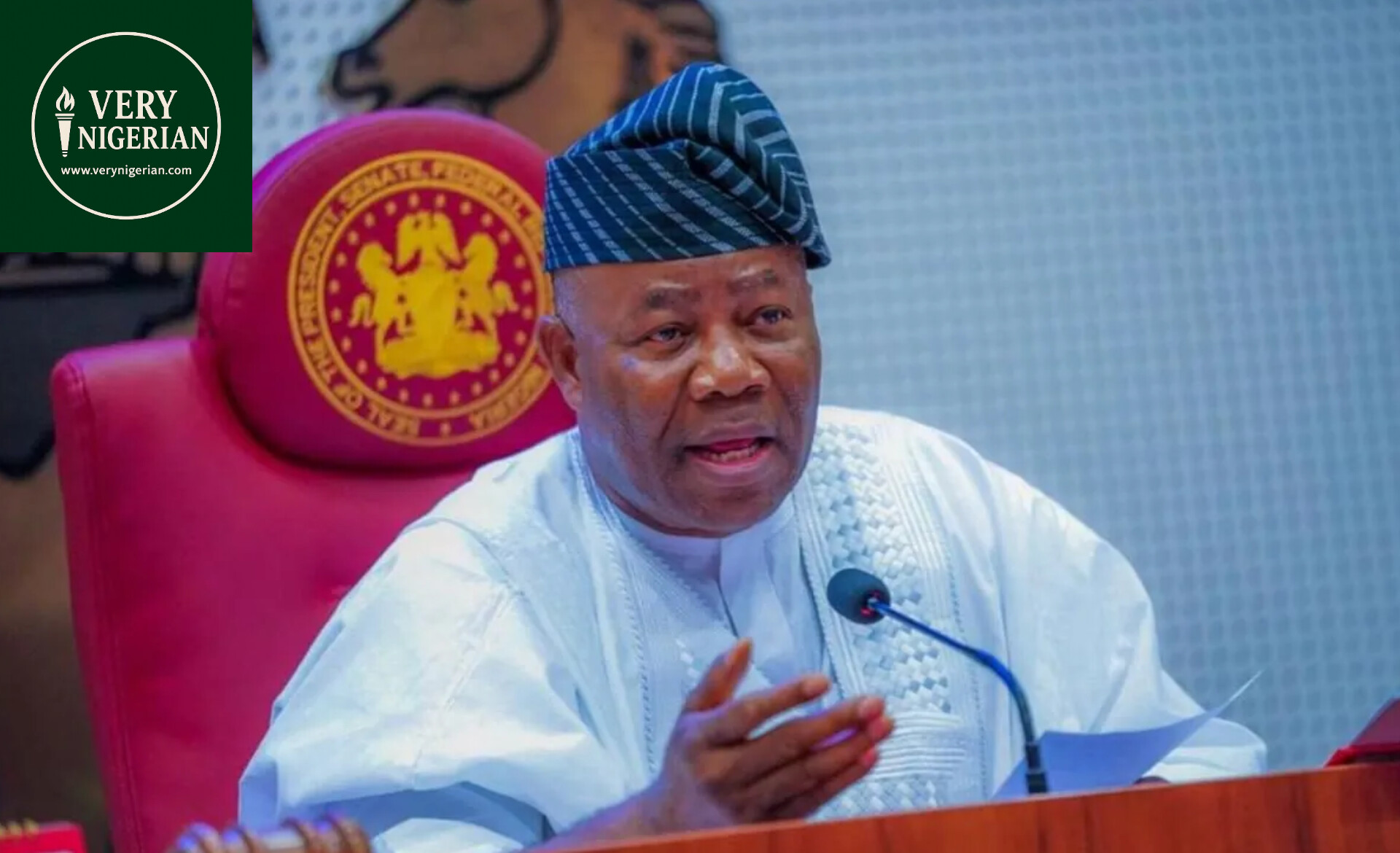
Senate President Godswill Akpabio has defended the National Assembly’s decision to reject mandatory real-time electronic transmission of election results, claiming that at least nine states in Nigeria currently lack network coverage due to insecurity.
The Senate last week removed the provision mandating real-time electronic transmission from the Electoral Act (Amendment) Bill, a move that sparked nationwide criticism from opposition parties, civil society groups and the Nigerian Bar Association (NBA).
Speaking on Saturday at the public presentation of a book titled The Burdens of Legislators in Nigeria, written by former senator Effiong Bob, Akpabio dismissed the criticisms, insisting that INEC — not the Senate — is responsible for determining election modalities.
According to the Senate president, making real-time electronic transmission compulsory would disenfranchise voters in areas affected by insecurity and poor telecommunications infrastructure.
“Real-time transmission means that in over nine states where networks are not working because of insecurity, there will be no election results,” Akpabio said.
“Nationally, it also means that if the national grid collapses and no network is working, no election results will be valid.”
Akpabio further criticised some of the public commentators opposing the Senate’s decision, arguing that many lack an understanding of the lawmaking process.
“You see them talking. We even have a young man from Akwa Ibom who is publicity secretary to one of the parties. When you hear him talk, you will think he knows everything. He doesn’t know anything about lawmaking,” he said.
The Senate president stressed that the legislature’s role is limited to making laws, while the responsibility for deploying technology during elections rests solely with INEC.
“The Senate does not conduct elections. We don’t deploy technology; we only make laws, and INEC must apply the law,” he stated.
He added that decisions on election timing, scope and technological deployment fall within INEC’s discretion, provided they operate within the legal framework established by the National Assembly and interpreted by the Supreme Court.
“The timing, scope and modality rest with INEC, acting within the framework of the law enacted by parliament and interpreted by the Supreme Court,” Akpabio said.
The Senate’s stance continues to draw strong reactions as Nigeria prepares for the 2027 general elections, with critics warning that retaining discretionary electronic transmission could weaken electoral transparency.


 Follow Us on Google Discover







2027: Kwankwaso a goat in sheep’s clothing, secretly working for Tinubu – Atiku Campaign Council

DSS arrests Maina’s fugitive son in Abuja, hands him over to EFCC

2027: Step down if you are not working for Tinubu – Deji Adeyanju dares Obi, Kwankwaso

2027: ‘I wont join my Uncle to support Tinubu’ – Davido says

Enugu NYSC death: NAFDAC debunks claims linking corps members death to fake drugs

33 Governors cannot be wrong in supporting Tinubu – Bayo Onanuga

Security forces arrest five suspects over abduction of 20 NYSC members in Imo

Rugby star Hyron Andrews dies at 31 after accidental fall in South Africa

LAUTECH Resident Doctors halt 50-day strike as Makinde intervenes

House Officers, Nurses, Radiographers, Others wanted as DELSUTH opens recruitment – Apply Now

FG raises health fund allocation to N40.76bn, extends insurance to prison inmates

Erisco Foods announces 13 job openings across Nigeria – Apply Now

Tinubu reappoints Bala Bila as INEC commissioner, nominates six others

2027: ‘Don’t trust your destiny to ‘kalokalo’ people’ – Wike warns Rivers voters against Atiku, Amaechi, Obi

BREAKING: Cross River PDP Chairman Venatius Ikem resigns, cites leadership crisis
Erisco Foods announces 13 job openings across Nigeria – Apply Now

2027: Atiku, Obi, Makinde, Adebayo, Duke hold talks with six opposition parties

Ex-Senator Bello Mandiya’s body found in Abuja home three days after he slipped, hit his head in the bathroom
‘You Betrayed Osun People’ — Adeleke, Davido face backlash over support for Tinubu

JUST IN: Finnish Appeal Court reduces Simon Ekpa’s jail term to four years, upholds terrorism conviction
Tinubu reappoints Bala Bila as INEC commissioner, nominates six others

Zamfara govt set to empower 36,176 residents with Dangote shares

Umahi reopens first Niger bridge after emergency repairs, displays Tinubu’s photos

Over 10 soldiers, four civilians feared dead as Boko Haram terrorists attack Borno military base

‘I love Islam, I’ve sent people to Mecca to pray for me, Nigeria for 25 years’ – Akpabio

Lagos govt announces 3-day traffic diversion on Independence bridge for emergency repairs

Tension escalates as thugs attack NDC secretariat in Edo, destroy properties

‘Local champion’ – Donald Duke takes fresh swipe at Gov Diri over Lagos-Calabar coastal highway

2027: Tinubu to miss rallies in over 20 States as APC releases campaign timetable
