National News
N15bn Worth of projects under Tinubu’s administration flagged as fraudulent – Report
Imo, Lagos, Kwara, Abia and Ogun emerged as the states with the highest concentration of fraudulent projects.

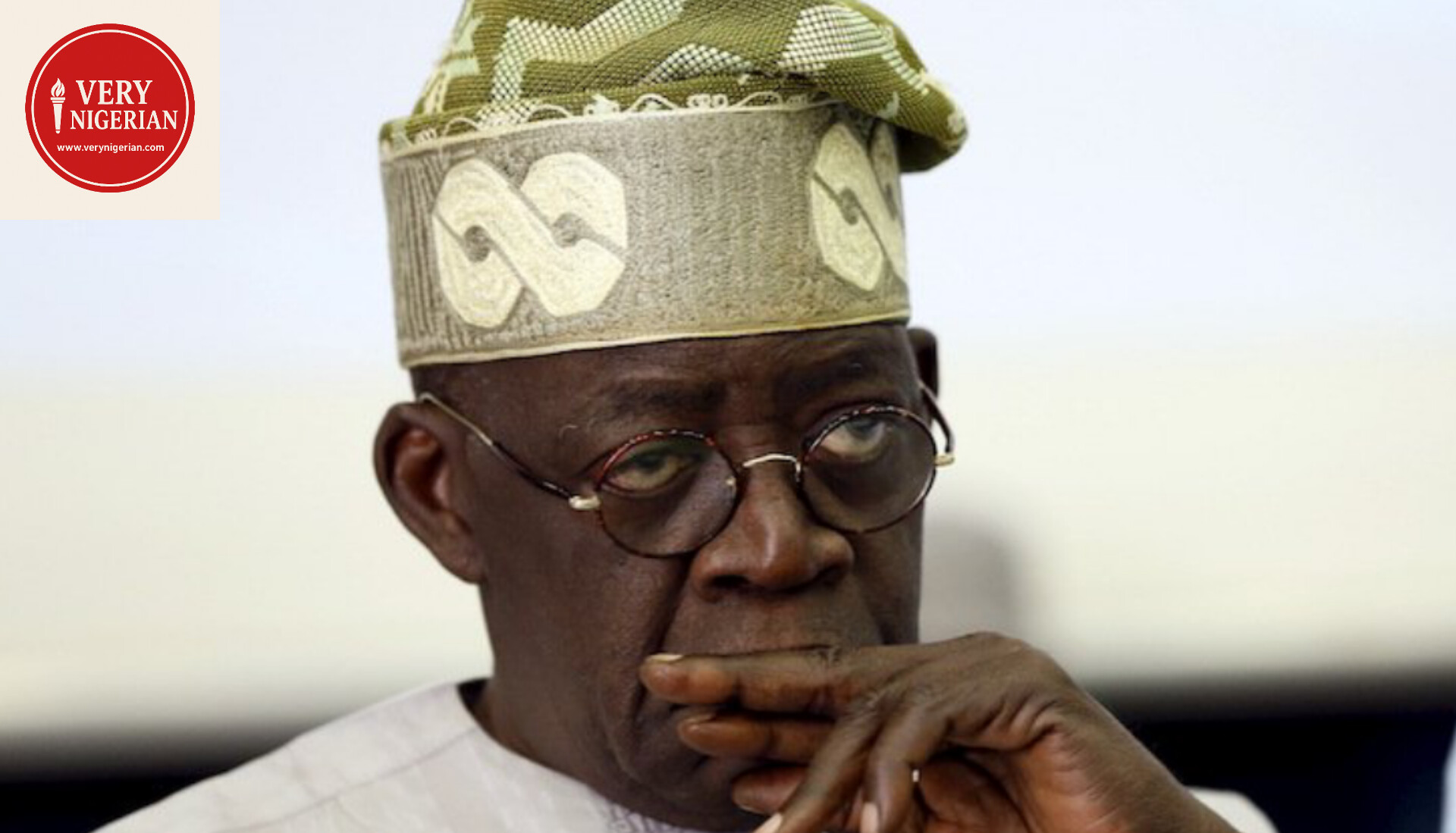
A civic technology platform, Tracka, has revealed widespread gaps in the implementation of federal government projects across Nigeria, with findings showing that only 1,438 out of 2,668 tracked projects were completed.
According to the report, 660 projects are currently ongoing, 471 were not executed, while 99 were abandoned, raising serious concerns about accountability and value for public spending.
The report further disclosed that 92 projects were fraudulently delivered, characterised by diversion of funds, relocation of projects to unintended locations, repeated payments for projects executed in previous budget cycles, partial execution, and substandard delivery.
Tracka identified Imo, Lagos, Kwara, Abia and Ogun states as having the highest concentration of fraudulently delivered projects, accounting for 57.1 per cent of such cases. The affected projects in the five states involved N8.61 billion out of the total N15.07 billion flagged nationwide.
According to Tracka, its monitoring focused on strategic infrastructure sectors critical to national development, including dams, primary healthcare centres and federal intervention projects in the Niger Delta.
Dam Projects Raise Red Flags
The report revealed significant implementation failures in dam-related projects, which are crucial for irrigation, flood control and power generation.
Following repeated national grid collapses in 2024, Tracka tracked 16 dam projects across 13 states, valued at N432 million. Findings showed that none of the projects had been completed at the time of assessment.
Out of the 16 projects, four were abandoned, six were progressing slowly, while six had not commenced, despite evidence of approved funding.
Primary Healthcare Centres Underperform
On healthcare infrastructure, Tracka tracked 47 revitalised primary healthcare centres across 25 states. Only 26 facilities showed visible improvements in infrastructure or equipment.
The report found that 12 centres were undergoing renovation, eight showed no sign of intervention despite being listed as revitalised, while one facility had been completely abandoned.
Tracka noted that in many affected communities, residents continue to travel long distances for medical services due to poor staffing, inadequate equipment and weak sanitation standards.
Mixed Outcomes in Niger Delta Projects
In the Niger Delta, the platform monitored 48 federal government-funded projects across Akwa Ibom, Cross River, Delta and Rivers states.
Of these, 29 projects were completed and delivered measurable benefits, 13 had not commenced, four were ongoing, while two were untraceable, despite confirmed funding approvals.
Citizen Engagement Driving Success
Despite the challenges, the report highlighted 15 success stories where citizen engagement and monitoring contributed to project delivery.
These include the revitalisation of Kaida Sabo Primary Healthcare Centre, renovation of Nawairudeen Primary School in Plateau State, completion of a previously stalled healthcare centre in Ikirun, empowerment programmes for persons with disabilities in Katsina, erosion control projects in Rivers State, and borehole projects in Akwa Ibom.
Speaking on the findings, Head of Tracka, Joshua Osiyemi, emphasised the importance of public participation in governance.
“If just five per cent of Nigerians engage in oversight, monitoring could reach 50 per cent, significantly reducing opportunities for corruption and greatly improving service delivery and quality of life across communities,” he said.


 Follow Us on Google Discover





Enugu NYSC death: NAFDAC debunks claims linking corps members death to fake drugs

33 Governors cannot be wrong in supporting Tinubu – Bayo Onanuga

Security forces arrest five suspects over abduction of 20 NYSC members in Imo

Rugby star Hyron Andrews dies at 31 after accidental fall in South Africa

LAUTECH Resident Doctors halt 50-day strike as Makinde intervenes

House Officers, Nurses, Radiographers, Others wanted as DELSUTH opens recruitment – Apply Now

FG raises health fund allocation to N40.76bn, extends insurance to prison inmates

Erisco Foods announces 13 job openings across Nigeria – Apply Now

Tinubu reappoints Bala Bila as INEC commissioner, nominates six others

2027: ‘Don’t trust your destiny to ‘kalokalo’ people’ – Wike warns Rivers voters against Atiku, Amaechi, Obi

BREAKING: Cross River PDP Chairman Venatius Ikem resigns, cites leadership crisis

Real Madrid call for immediate resignation of La Liga President over controversial remarks

BREAKING: Oyebanji makes history as first Ekiti Governor to win second consecutive term

Atiku fully fit, ready to campaign in all 36 states, interact with Nigerians – ADC PCC

2027: Tinubu afraid to face Nigerians, has no business seeking re-election — Atiku campaign council
Erisco Foods announces 13 job openings across Nigeria – Apply Now

2027: Atiku, Obi, Makinde, Adebayo, Duke hold talks with six opposition parties

Ex-Senator Bello Mandiya’s body found in Abuja home three days after he slipped, hit his head in the bathroom

‘You Betrayed Osun People’ — Adeleke, Davido face backlash over support for Tinubu

JUST IN: Finnish Appeal Court reduces Simon Ekpa’s jail term to four years, upholds terrorism conviction
Tinubu reappoints Bala Bila as INEC commissioner, nominates six others

Zamfara govt set to empower 36,176 residents with Dangote shares

Umahi reopens first Niger bridge after emergency repairs, displays Tinubu’s photos

Over 10 soldiers, four civilians feared dead as Boko Haram terrorists attack Borno military base

‘I love Islam, I’ve sent people to Mecca to pray for me, Nigeria for 25 years’ – Akpabio

Tension escalates as thugs attack NDC secretariat in Edo, destroy properties

Lagos govt announces 3-day traffic diversion on Independence bridge for emergency repairs

Tension mounts as NLC rejects FG’s response to 14-day ultimatum

‘Local champion’ – Donald Duke takes fresh swipe at Gov Diri over Lagos-Calabar coastal highway
