
National News
Pay us now or face our wrath,’ Nigerian workers tell Tinubu over unpaid benefits

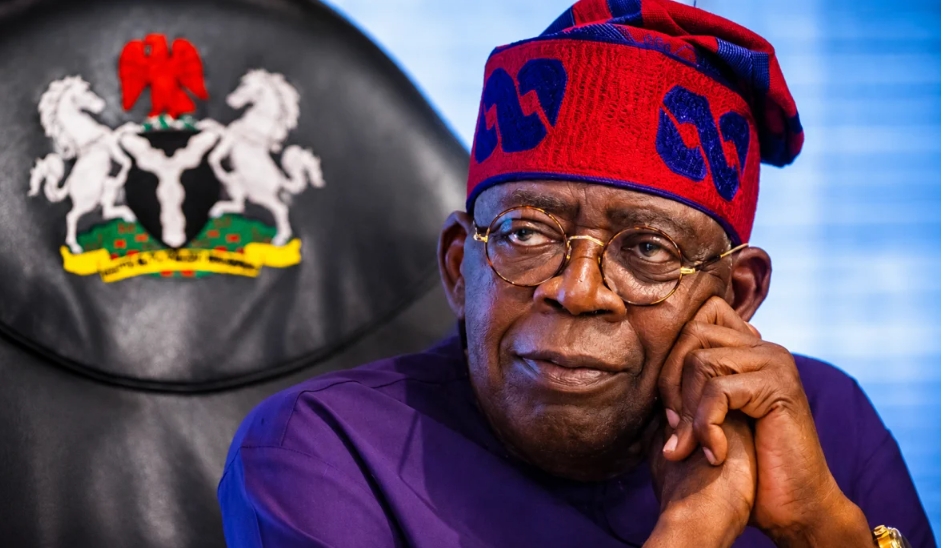
Nigerian public sector workers have given the Federal Government until August 11, 2026, to address outstanding welfare issues, warning that continued delay could trigger widespread labour unrest.
The warning was issued by the Joint National Public Service Negotiating Council (JNPSNC), which accused the government of failing to resolve several long-standing issues affecting federal public servants, including unpaid wage award arrears and the implementation of the 40 per cent peculiar allowance.
According to a report by Vanguard, the council conveyed its position in a letter dated July 31, 2026, requesting an urgent meeting with the Minister of Finance and Coordinating Minister of the Economy to resolve the outstanding matters.
The workers lamented that earlier letters sent to the minister’s office had yet to receive any response.
Among their demands is the payment of two months’ outstanding wage award arrears covering March and April 2026.
The wage award was introduced by the Federal Government in 2023 as a temporary intervention to cushion the impact of fuel subsidy removal and the rising cost of living.
The council also called for the implementation of the 40 per cent peculiar allowance for federal public servants, which it said was scheduled to take effect from May 1, 2026, following a directive issued by the National Salaries, Incomes and Wages Commission.
Expressing dissatisfaction with what it described as the government’s slow response, the JNPSNC warned that continued inaction could escalate tensions across the public service.
The council disclosed that the Nigeria Labour Congress (NLC) and the Trade Union Congress (TUC) had been notified of the situation.
Although it did not announce an immediate strike, the council cautioned that failure to address the outstanding issues could force workers to take further action.
It clarified that the August 11 deadline is for the government to meet with the council and resolve the pending demands, rather than the date for the commencement of industrial action.
The development comes amid mounting concerns over the rising cost of living and increasing pressure on public sector workers grappling with the country’s current economic challenges.


 Follow Us on Google Discover






APM, Makinde sue Otti over alleged N200m campaign levy in Abia

‘Why are afraid of entering America?’, Atiku blasts Tinibu for missing third consecutive UNGA

Gunmen storm Kebbi community, kill village head

Former Kogi Gov Ibrahim Idris dies in UK

NDLEA seizes N3.4bn drugs, nab fake cop, mechanic

Falconets crash out of 2026 U-20 Women’s World Cup after 1-0 loss to Colombia

BREAKING: Tinubu confirms absence from 81st UN General Assembly in New York, directs Shettima to lead Nigerian delegation

2027: ‘Obi will defeat Tinubu by a wider margin in Lagos’ — NDC

NDC disowns OK Movement campaign council, refers John Ugulu for discipline

Raphinha set to sign new Barcelona contract until 2030

Four Nigerians receive UNGA Humanitarian, Goodwill Ambassador honours in New York

‘We Won’t Go Back to Egypt’ — Showunmi rejects Atiku’s petrol subsidy proposal

NSCDC names new Niger commandant following death of miners in custody

ECOWAS court set to hold 2026 international conference in Dakar

Nigerians already seeing reductions in transport fares – Tinubu
BREAKING: Tinubu confirms absence from 81st UN General Assembly in New York, directs Shettima to lead Nigerian delegation
Nigerians already seeing reductions in transport fares – Tinubu

Tinubu may shun UN General Assembly in New York – Fresh details emerge

‘Before lecturing Tinubu, you must answer questions from your past’ — Presidency to Atiku
‘We Won’t Go Back to Egypt’ — Showunmi rejects Atiku’s petrol subsidy proposal

Deji Adeyanju, Buhari others appointed as FG constitutes committee to probe NSCDC custody deaths (Full List)

‘The Site Belongs To Babangida’ – Survivor links deaths of miners in NSCDC custody to ex-Military Ruler

PL: Brighton thrash Arsenal 3-0, end Gunners’ winning run
Four Nigerians receive UNGA Humanitarian, Goodwill Ambassador honours in New York
Raphinha set to sign new Barcelona contract until 2030

Why EFCC must prosecute Atiku – Agbonayinma

NSCDC detains suspended Niger commandant, 21 officers over deaths of 37 miners

Sowore as best president Nigeria refuses to have: by Farooq A. Kperogi
Falconets crash out of 2026 U-20 Women’s World Cup after 1-0 loss to Colombia