
Editorials
Bloodbath across Nigeria despite billions spent on security as bandits launch over 50 attacks in one week

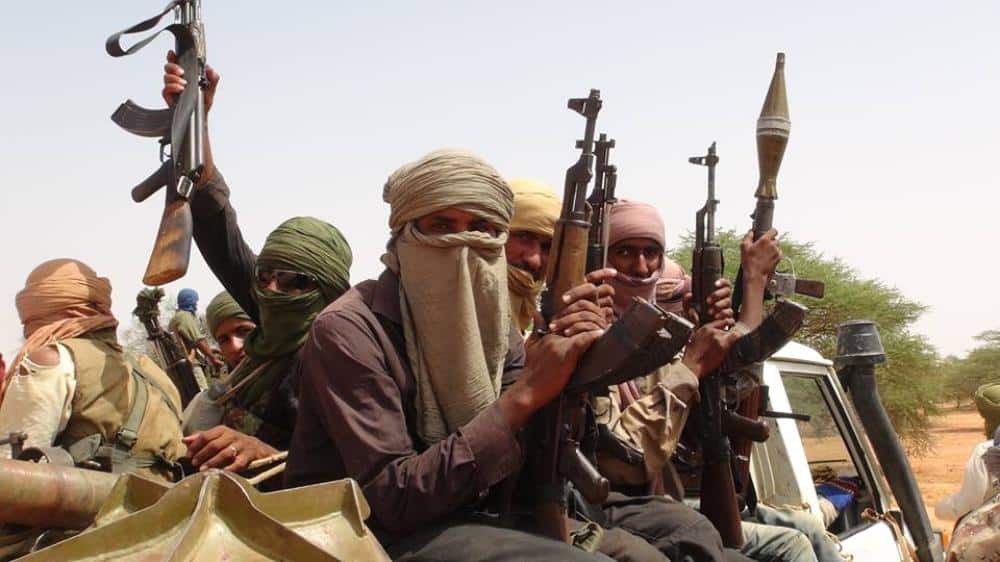
Nigeria’s worsening security crisis has once again raised troubling questions about the effectiveness of government spending, national priorities and the country’s overall security architecture.
Fresh data showing that the Federal Government spent N57.78 billion on security-related projects and operations between January and April 2026 should ordinarily reassure citizens that authorities are responding aggressively to the country’s security challenges. Instead, the figures have emerged against the backdrop of a frightening surge in violent attacks, kidnappings and killings across several states.
Within just one week, no fewer than 98 criminal incidents were recorded nationwide, including 51 cases of attacks and abductions. The incidents ranged from mass kidnappings and deadly bandit assaults to armed robberies and terrorism-related attacks, painting a grim picture of a nation struggling to contain escalating violence.
The statistics are disturbing.
According to security reports, 37 homicide cases, 27 banditry attacks, 24 kidnappings, eight armed robbery incidents and two terrorism-related attacks were recorded within seven days. From Zamfara to Katsina, Kaduna, Kebbi and several other states, criminal groups continue to operate with alarming audacity, targeting communities, highways and vulnerable citizens.
Particularly troubling was the abduction of 39 residents in Zamfara State who reportedly ventured into a forest to negotiate peace with a notorious bandit leader, only to become victims themselves. Equally concerning was the attack along the Katsina-Kankara highway, where armed men intercepted a commercial vehicle carrying passengers in broad daylight.
These incidents are not isolated occurrences. They are symptoms of a deepening national emergency.
While government expenditure on defence equipment increased significantly from N9.48 billion during the same period in 2025 to N21.39 billion in 2026, insecurity appears to be spreading rather than receding. Military barracks construction, police facilities, defence infrastructure and security equipment procurement all witnessed increased allocations and spending.
Yet, despite the rising expenditure, violent attacks continue to claim lives almost daily.
More worrying is the revelation that only about 1.24 per cent of the total N4.66 trillion security allocation for 2026 had been utilised as of April. Critical programmes designed to strengthen security capacity recorded implementation levels below three per cent, while some strategic operational budget lines reportedly received no releases at all.
The contradiction is difficult to ignore.
How does a country budget trillions for security while communities remain exposed to bandits, terrorists and kidnappers? How can criminal groups continue to establish dominance over vast territories despite record security spending?
Security experts have pointed to several explanations. Some argue that the military remains overstretched, fighting multiple security battles simultaneously across different regions. Others blame porous borders, weak intelligence coordination, corruption, poor governance and the worsening economic conditions that continue to fuel criminal recruitment.
There is also growing concern that political leaders appear increasingly focused on electoral calculations ahead of the 2027 general elections while insecurity continues to devastate communities.
Across many parts of the country, Nigerians are no longer asking whether insecurity exists. They are asking whether the state still possesses the capacity and political will to effectively confront it.
The consequences extend beyond human casualties. Insecurity discourages investment, weakens agricultural production, disrupts education, destroys local economies and undermines public confidence in government institutions. No economy can achieve sustainable growth when citizens live under constant fear of attack or abduction.
The challenge facing Nigeria today requires more than increased budgetary allocations. It demands accountability, efficient deployment of resources, intelligence-driven operations, stronger inter-agency collaboration, improved border management and sustained efforts to address the socio-economic conditions that often fuel criminality.
Security spending must translate into measurable security outcomes.
Ultimately, Nigerians are less concerned about how much government spends and more concerned about whether they can travel safely on highways, farm without fear, send their children to school and sleep peacefully at night.
Until those basic expectations are met, rising security budgets will continue to be overshadowed by rising insecurity.
The figures tell a troubling story: billions are being spent, yet blood continues to flow. That reality should concern every level of government and every stakeholder committed to Nigeria’s future.


 Follow Us on Google Discover






BREAKING: ‘I have nothing to hide, release my academic records’ – Peter Obi tells UNN

Shettima returns to Nigeria after BRICS summit in India

2027: Big battle for Wike as APC Govs move against Rainbow Coalition, parallel structures capable of undermining Tinubu, APC candidates

2027: Support Tinubu as he supported Buhari, Yari urges Northerners

2027: ‘Tinubu will win, Atiku second, Obi third’ – Afegbua

FG signs N729bn bond to offset power sector debts

LASUTH Resident Doctors embark on indefinite strike over unpaid allowances

Show proof I left Anambra with debts, I’ll stop my 2027 campaign – Obi dares Soludo

‘I Don’t Want to Be Called Africa’s Richest Man Again’ — Dangote

600 Northern Lecturers who attended Tinubu endorsement show must be bared 2027 election duties – ADC warns INEC

BBNaija S11: Barry wins HoH title, becomes first finalist

Ondo students set 14-day deadline for Aiyedatiwa over ASUU strike

Nigeria, India target $15bn trade as Modi pushes for more crude imports

2027: Oba of Lagos backs Tinubu, says ‘ no vacancy in Aso Rock’

2027: NDC says Nigerians can fund party with contributions as low as N1,500

International Breweries Recruitment: 5 Job vacancies across Nigeria (How to Apply)

Food and Agriculture Organization Of the United Nations (FAO-UN) announces 4 recruitment vacancies across Nigeria (How to Apply)

2027 Elections: INEC publishes final list of 1,195 Senate, 3,213 Reps candidates (Full List)

2027: Over 600 Northern Lecturers endorse Tinubu’s re-election bid

15 feared killed as gunmen strike Plateau communities
2027: NDC says Nigerians can fund party with contributions as low as N1,500

Average Nigerian can survive on N3,000 daily, says Reno Omokri

Yamal double fires Barcelona to 4-2 victory over Levante

Hon. Desmond Elliot kneels down, begs Gbajabiamila for forgiveness

Haaland scores as 10-man Man City beat Manchester United 1-0

Tinubu’s FBI records are not evidence of criminal history, it won’t be released – Reno Omokri

BBNaija Season 11: Abi, Araga evicted from ‘Show Ya Sef’ House
‘I Don’t Want to Be Called Africa’s Richest Man Again’ — Dangote

Tinubu lands in Paris for second leg of holiday
