Business News
BREAKING; Nigeria’s cost of living rises as inflation climbs to 15.93%

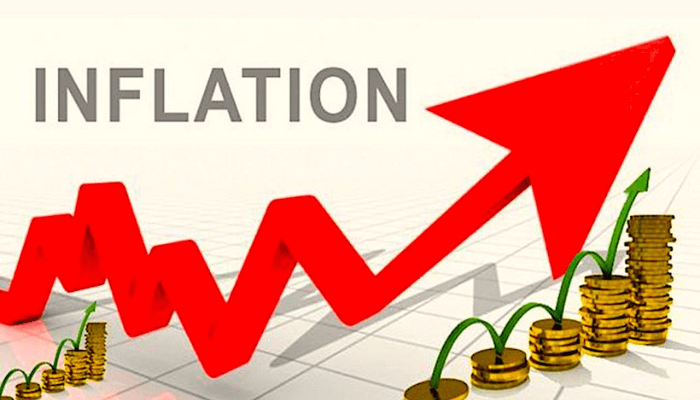
Nigeria’s headline inflation rate rose to 15.93 per cent in May 2026, according to the latest Consumer Price Index (CPI) report released by the National Bureau of Statistics (NBS), marking the third consecutive monthly increase this year.
The CPI rose to 140.7 in May, up from 138.3 in April, reflecting a 2.4-point increase and signalling continued upward pressure on consumer prices across the economy.
On a month-on-month basis, headline inflation stood at 1.75 per cent, representing a slowdown from 2.13 per cent in April, indicating a moderation in the pace of price increases despite the overall rise in the annual figure.
However, the year-on-year inflation trend continued its upward trajectory, climbing from 15.38 per cent in March to 15.69 per cent in April, before reaching 15.93 per cent in May 2026.
According to the NBS, while monthly inflation eased, underlying pressures in the economy remain visible, particularly in food and core service sectors.
Food and non-alcoholic beverages remained the largest driver of inflation, contributing 6.38 percentage points to the headline rate. Other key contributors included restaurants and accommodation services (2.06 points), transport (1.70 points), and housing, water, electricity, gas and other fuels (1.34 points).
Education, health, clothing and footwear, as well as communication and personal care services also added to inflationary pressures during the period.
Food inflation stood at 16.96 per cent year-on-year, down from 24.55 per cent in May 2025, but continued to weigh heavily on household spending. On a monthly basis, food inflation eased to 2.98 per cent, compared to 3.63 per cent in April.
Core inflation, which excludes volatile food and energy prices, rose to 16.82 per cent year-on-year, while monthly core inflation accelerated to 1.94 per cent, up from 1.03 per cent in April, suggesting persistent underlying price pressures in the broader economy.
Urban inflation was recorded at 16.07 per cent, while rural inflation stood at 15.60 per cent. Both segments also recorded varying monthly movements, reflecting uneven price dynamics across regions.
At the state level, Yobe recorded the highest inflation rate at 24.94 per cent, followed by Anambra (23.29 per cent) and Sokoto (22.60 per cent), while Niger State posted the lowest at 3.07 per cent.
In terms of food inflation, Adamawa led with 29.62 per cent, followed by Kwara (28.47 per cent) and Rivers (28.40 per cent), while Borno recorded food deflation at -6.53 per cent.
The NBS report further showed that the 12-month average inflation rate stood at 18.36 per cent, significantly lower than the 30.57 per cent recorded in the corresponding period of 2025, highlighting some easing in long-term price pressures despite recent monthly increases.


 Follow Us on Google Discover






BREAKING: ‘I have nothing to hide, release my academic records’ – Peter Obi tells UNN

Shettima returns to Nigeria after BRICS summit in India

2027: Big battle for Wike as APC Govs move against Rainbow Coalition, parallel structures capable of undermining Tinubu, APC candidates

2027: Support Tinubu as he supported Buhari, Yari urges Northerners

2027: ‘Tinubu will win, Atiku second, Obi third’ – Afegbua

FG signs N729bn bond to offset power sector debts

LASUTH Resident Doctors embark on indefinite strike over unpaid allowances

Show proof I left Anambra with debts, I’ll stop my 2027 campaign – Obi dares Soludo

‘I Don’t Want to Be Called Africa’s Richest Man Again’ — Dangote

600 Northern Lecturers who attended Tinubu endorsement show must be bared 2027 election duties – ADC warns INEC

BBNaija S11: Barry wins HoH title, becomes first finalist

Ondo students set 14-day deadline for Aiyedatiwa over ASUU strike

Nigeria, India target $15bn trade as Modi pushes for more crude imports

2027: Oba of Lagos backs Tinubu, says ‘ no vacancy in Aso Rock’

2027: NDC says Nigerians can fund party with contributions as low as N1,500

International Breweries Recruitment: 5 Job vacancies across Nigeria (How to Apply)

Food and Agriculture Organization Of the United Nations (FAO-UN) announces 4 recruitment vacancies across Nigeria (How to Apply)

2027 Elections: INEC publishes final list of 1,195 Senate, 3,213 Reps candidates (Full List)

2027: Over 600 Northern Lecturers endorse Tinubu’s re-election bid

15 feared killed as gunmen strike Plateau communities
2027: NDC says Nigerians can fund party with contributions as low as N1,500

Average Nigerian can survive on N3,000 daily, says Reno Omokri

Yamal double fires Barcelona to 4-2 victory over Levante

Hon. Desmond Elliot kneels down, begs Gbajabiamila for forgiveness

Haaland scores as 10-man Man City beat Manchester United 1-0

Tinubu’s FBI records are not evidence of criminal history, it won’t be released – Reno Omokri

BBNaija Season 11: Abi, Araga evicted from ‘Show Ya Sef’ House

FG targets September for submission of 2027 budget
‘I Don’t Want to Be Called Africa’s Richest Man Again’ — Dangote
