Politics
2027: Obi’s NDC gov’t will reintroduce fuel subsidy, but in different form – Kwankwaso

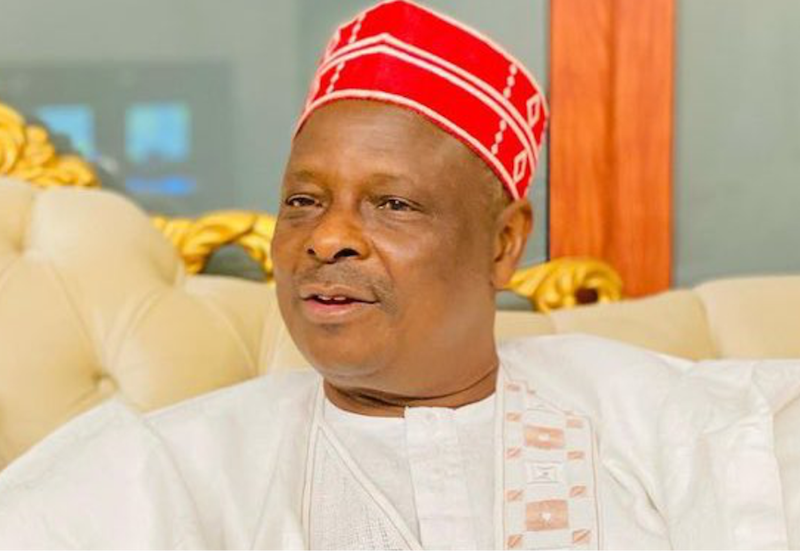
The Vice-Presidential candidate of the Nigeria Democratic Congress (NDC), Rabiu Kwankwaso, has said a government led by the party’s presidential candidate, Peter Obi, would reintroduce fuel subsidy in a different form.
Kwankwaso, a former governor of Kano State, disclosed this during an interview on Arise TV on Tuesday, where he discussed the fuel subsidy policy of President Bola Tinubu’s administration and the positions of political parties ahead of the 2027 general elections.
Asked whether the NDC would face difficulties campaigning in the North-West, where some residents support the return of fuel subsidy, Kwankwaso said the party intended to introduce its own subsidy model.
“No, no, no, look. We are bringing subsidy in our own way,” he said.
Explaining how the proposed policy would work, Kwankwaso said the government could invest in refineries to boost domestic production and ensure that petrol is sold to Nigerians at what he described as a reasonable price.
He argued that if private individuals could establish refineries, there was no reason the government could not do the same under certain circumstances.
“Of course, there are many ways. One, I can tell you: now we have a refinery built by a businessman, and I’m sure more refineries would be built.
“Now, if individuals in this country could build refineries, I see no reason why government, under certain circumstances, will not build a refinery or refineries to the extent that we achieve the minimum requirement,” he said.
Kwankwaso said the ultimate objective would be to ensure that Nigerians could purchase petrol at affordable rates across the country.
“What is the minimum requirement? The minimum requirement is for the people across the country to go to the filling stations and buy fuel at a reasonable price.
“We, in the NDC, will do whatever it takes, really, to put the price of oil down,” he added.
The former Kano governor also criticised Tinubu’s handling of fuel subsidy removal, arguing that the policy was implemented too quickly after he assumed office.
Kwankwaso noted that the major presidential candidates in the 2023 election, including former Vice-President Atiku Abubakar, had campaigned on removing the subsidy.
However, he faulted Tinubu for announcing its removal on his inauguration day, May 29, 2023, without adequately addressing the potential consequences.
“No, that’s what I know. Of course, among the three of them, Bola Tinubu decided to do so and removed the subsidy. And the consequences that we thought would happen, certainly happened,” Kwankwaso said.
“And not only he decided to remove the subsidy, what he did was to remove it immediately—in fact, day one—without looking at all those possible issues that were associated with that. And that’s how we find ourselves in this total mess, economically.”
Tinubu had declared “subsidy is gone” during his inaugural address on May 29, 2023.
The announcement was followed by a sharp increase in petrol prices, which rose from below N200 per litre to more than N500 in many parts of the country. The increase also contributed to higher transportation and other living costs.
In a national broadcast in July 2023, Tinubu acknowledged that subsidy removal had increased the cost of fuel, food and other goods. He, however, defended the policy, describing the subsidy regime as financially unsustainable and saying the savings would be redirected to other areas.
Kwankwaso’s remarks come as political parties and opposition figures continue to outline their economic proposals ahead of the 2027 general elections.
At the Nigeria Bar Association’s 66th Annual General Conference in August, presidential candidates and representatives of political parties also expressed differing positions on fuel subsidy, with some supporting its return and others advocating alternative measures to make petrol more affordable.


 Follow Us on Google Discover


Sundry Foods announces 8 Job vacancies across Nigeria – (How to Apply)

Moniepoint announces 70 job openings across Nigeria, lists requirements – Apply Now

2027: Obi’s NDC gov’t will reintroduce fuel subsidy, but in different form – Kwankwaso

Osun Assembly backs creation of State Police

Don’t call me Acting President, Tinubu is still in power and running Nigeria — Akpabio

‘Oyo received no N50bn from Tinubu for airport upgrade’ – Makinde replies Wike

Gov Mbah names Rachael Okonkwo, Eucharia Anunobi among 118 new appointees (Full list)

I Am a Pastor’s daughter who got mocked for getting pregnant for a global superstar” — Sophia Momodu

Peter Okoye admits receiving over $800,000 Psquare royalties without sharing with Jude

Mambilla dispute: $200m settlement was in Nigeria’s interest, says Malami

Ex-SGF Babachir Lawal Joins NDC, Declares Support for Obi, Kwankwaso

Former Niger CP Diseye Nsirim is dead

Zamfara: Bandits demand N30m ransom for six abducted Islamic clerics

BREAKING: CBN slashes interest rate to 23%

Illegal mining: FG sets up panel to probe deaths of 37 suspects in NSCDC custody

Hardship: Civil Servants ask Tinubu to stabilise petrol at N500, pay N500,000 minimum wage

NSCDC releases names of 37 suspected illegal miners who died in custody (Full list)

Tinubu to appoint Wike as Rivers, FCT campaign council coordinator amid rift with APC Govs

Crisis looms in NDC as OK Movement clash with pary chairman, Head of Operations resign over campaign council list

“The Pits You Dig for Me, You Shall Fall Into It – Sen. Natasha blast Akpabio over leaked audio

Mambilla Project: EFCC opens probe into Adesanya, Atiku, Malami, others named in Tribunal Award

‘My administration left substantial funds in the Anambra Government’s accounts, – Peter Obi releases fresh evidence (Photos)

21 Days have come and gone, you are still on vacation, who is in charge of Nigeria – Atiku tackles Tinubu

By what magic are you going to force people to farm? – Sowunmi knocks Peter Obi

NDC set to inaugurate PCC, gives Obi, Kwankwaso nomination powers

Protest rock Taraba Nursing College as hoodlums attack female hostel, rape student

JAMB allows candidates to change lost phone numbers, emails under new verification rules

BREAKING: Tinubu extends vacation by one week, expected to return Weekend

Nigerian Navy denies recruitment notice circulating online