
Editorials
After US-Iran war, crude oil prices drop globally but remain high in Nigeria

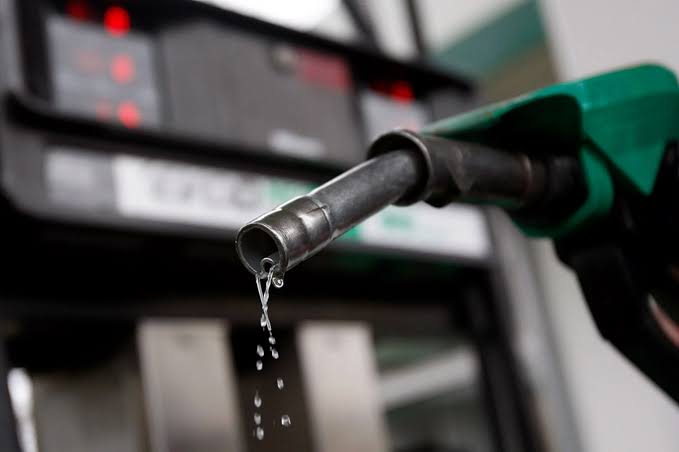
The sharp decline in global crude oil prices has reignited questions about why petrol prices in Nigeria remain stubbornly high despite easing tensions in the Middle East and a significant drop in the international oil market.
Brent crude, the global benchmark for oil prices, has fallen back to levels recorded before the recent conflict involving the United States, Iran and Israel.
The decline followed a reduction in geopolitical tensions and renewed confidence in global oil supply stability after concerns over possible disruptions to the Strait of Hormuz subsided.
Despite the development, Nigerian motorists and businesses have yet to enjoy any meaningful relief at the pump.
Before the outbreak of hostilities in the Middle East, petrol sold for between N770 and N800 per litre in many parts of the country. Following the escalation of the conflict, prices surged significantly, reaching between N1,200 and N1,300 per litre in several locations.
Although crude oil prices have since retreated sharply and peace efforts have reduced fears of supply disruptions, petrol prices in Nigeria have only declined marginally by about N75 per litre.
Market data on Wednesday showed that Brent crude fell to $73.14 per barrel, while West Texas Intermediate (WTI), the American benchmark, dropped to $69.85 per barrel, bringing both grades close to their pre-war levels.
The development has intensified calls for fuel marketers and industry operators to review petrol prices downward to reflect current market realities.
Some marketers argue that prevailing ex-depot prices remain excessively high despite the decline in crude oil prices. According to one industry operator, the ex-depot price of petrol should not exceed N700 per litre under current market conditions, compared to the present average of about N1,180 per litre.
However, experts caution that the relationship between global crude oil prices and local petrol prices is no longer straightforward under Nigeria’s deregulated petroleum market.
Oil and gas analyst, Dr. Ayodele Oni, noted that while falling crude prices are positive, they may not automatically translate into immediate reductions in pump prices.
According to him, exchange rate fluctuations now play a critical role in determining the final cost of imported petroleum products.
In a deregulated environment, petrol pricing depends not only on the cost of crude oil but also on the value of the naira against the dollar, transportation costs, logistics expenses and other market-driven factors.
As a result, even if crude prices continue to decline, consumers may not experience substantial reductions in fuel prices unless the naira remains stable and import costs decrease significantly.
The situation highlights one of the major realities of Nigeria’s post-subsidy petroleum market. While global oil prices can influence domestic fuel costs, they no longer determine pump prices on their own.
For millions of Nigerians already grappling with rising transportation costs, food inflation and broader economic pressures, the expectation remains that lower crude oil prices should eventually translate into cheaper petrol.
Whether marketers respond to changing market conditions in the coming weeks may determine how quickly any relief reaches consumers and businesses across the country.
For now, Nigerians continue to pay high prices at filling stations despite the sharp decline in global crude oil prices.


 Follow Us on Google Discover








I never borrowed money or issued bonds as Anambra Governor – Peter Obi insists

A Litre of petrol costs over ₦3,000 in UK, Nigerians are enjoying — Gov. Okpebholo

FG unveils online discount platform for Nigerian military personnel, veterans

Six arraigned over alleged defilement, sexual assault in Anambra

Enugu govt announces movement restriction for Saturday’s LG polls

One killed as sand-laden truck rams into motorcycle on Lagos expressway

BREAKING: Atiku appoints Akobundu DG of ADC Presidential Campaign Council, names El-Rufai Deputy Chairman (Full List)

After 61 days in captivity, Zamfara LG chairman regains freedom from abductors

2026 NECO: Step by step guide on how to check results online

City Boy Movement takes Tinubu 2027 campaign to Anambra
NECO announces release of 2026 internal SSCE results

Atiku donates ₦20m to families of 37 Miners who died in NSCDC custody

BREAKING: Court nullifies Pantami’s PDP ticket, orders fresh Primary in Gombe

NIMC dismisses claims of NIN database breach

FIFA picks Nigerian referee for U-17 world cup

ECOWAS opens recruitment for qualified nationals across multiple sectors – Apply Now
BREAKING: Atiku appoints Akobundu DG of ADC Presidential Campaign Council, names El-Rufai Deputy Chairman (Full List)

British Council opens recruitment opportunities across Nigeria – Apply Now

Julius Berger opens recruitment for 6 positions across Nigeria – Apply Now

EXCLUSIVE: Some APC Governors move to align with Atiku, ADC amid rift with Wike’s Rainbow Coalition

Former Super Eagles captain William Troost-Ekong converts to Islam, recites Shahadah in Doha

‘You will know what it means to stay hungry’ – Defence Minister Musa suggest military training for Nigerians

2027: We have new tactics in place to checkmate Atiku, Obi – Wike

Umahi: FG to deploy 4,000 influencers to highlight Tinubu’s projects

Five killed as suspected Boko Haram, ISWAP terrorists attack Borno community

I’ve never seen a President with better plans for Nigeria than Tinubu — Masari

‘US cannot afford to let Tinubu rig 2027 Polls’ — Von Batten-Montague-York

OK Movement rejects Dickson’s position, insists it is independent political organisation

Nigeria named among African voters for 2026 Ballon d’Or (Full list)