
Editorials
Middle East Tensions: Dangote price cut yet to reflect as Nigerians buy PMS at N1,300 per litre
Despite the reduction, many oil marketers have not lowered pump prices, leaving petrol selling between N1,300 and N1,355 per litre at several filling stations.

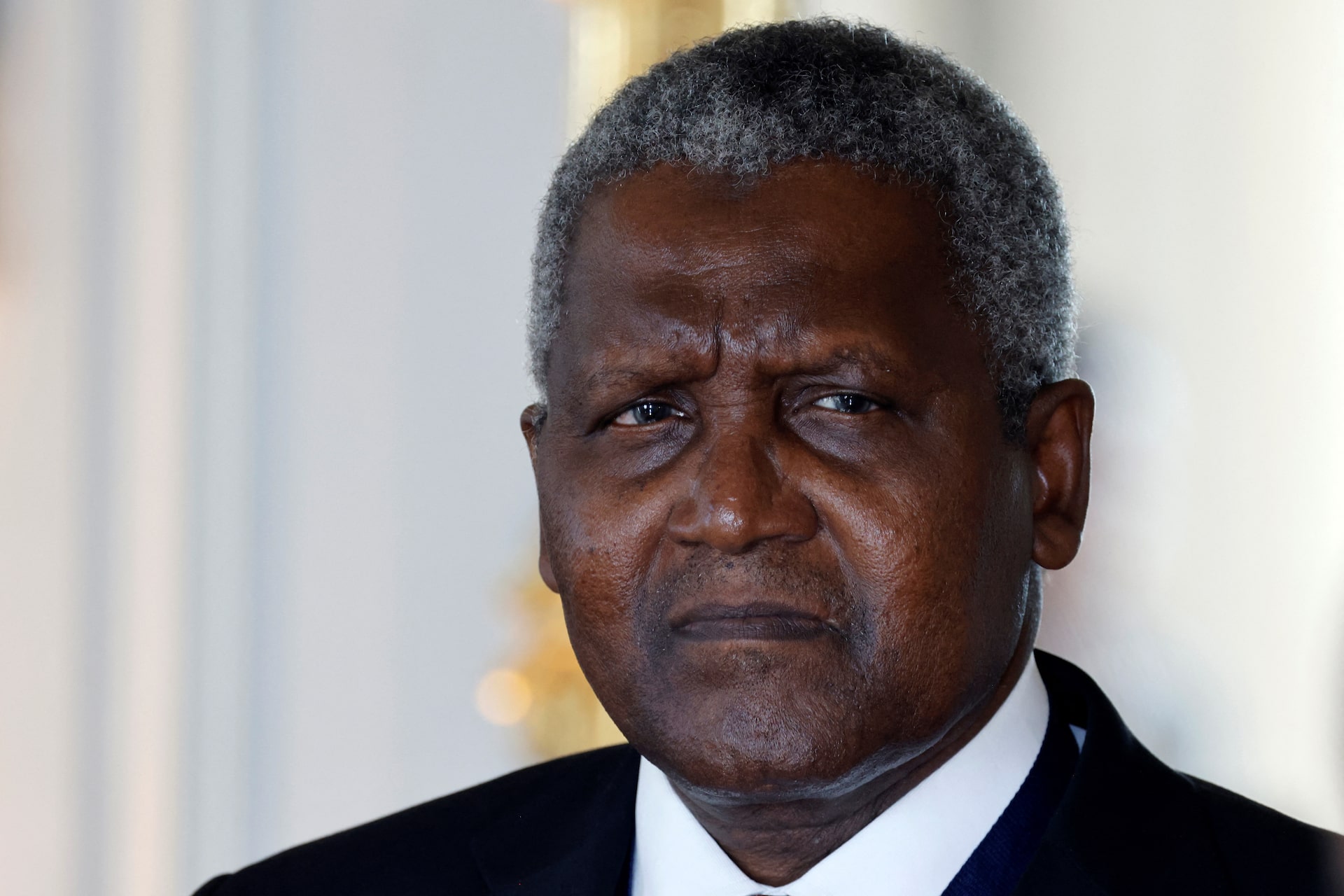
The latest reduction in petrol prices by the Dangote Petroleum Refinery should have brought relief to Nigerian consumers.
Instead, it has exposed a persistent and troubling pattern in the country’s downstream petroleum sector: prices rise quickly but fall reluctantly.
Last week, the refinery cut its gantry price of petrol by ₦100 per litre, bringing it down to ₦1,075 per litre, following a drop in global crude oil prices.
The international benchmark, Brent crude, had fallen significantly from around $110 per barrel to roughly $92, driven by easing geopolitical fears and signals that tensions involving the United States, Iran and Israel might soon de-escalate.
Ordinarily, such a development would translate into immediate relief for motorists and transport operators across Nigeria.
Yet across many filling stations, the price of petrol has barely moved.
A Market That Adjusts Only One Way
In Abuja, some retail outlets, particularly those operated by NNPC Limited, have reduced pump prices from about ₦1,265 to ₦1,161 per litre.
A few private operators followed suit.
But the majority of independent marketers have maintained pump prices ranging between ₦1,300 and ₦1,355 per litre, effectively ignoring the downward shift in wholesale prices.
The pattern is familiar.
Whenever crude oil prices surge, pump prices increase almost instantly. But when global prices decline, the adjustment process suddenly becomes slow, cautious and selective.
For ordinary Nigerians already struggling with rising living costs, this asymmetry feels deeply unfair.
The Domino Effect on Transport and Daily Life
High fuel prices ripple through the entire economy.
Transport operators quickly adjust fares upward to cover higher petrol costs. Goods become more expensive as logistics costs rise. Small businesses face rising operational expenses.
For commuters and transport workers, the situation is particularly painful.
Motorcycle operators, taxi drivers and commercial transporters often operate on thin margins. When fuel prices remain elevated despite falling crude prices, their income shrinks while passengers struggle to afford rising fares.
The result is a cycle of economic strain felt most intensely by the poorest Nigerians.
Dangote Refinery and the Promise of Local Supply
The emergence of the Dangote Petroleum Refinery was widely expected to stabilise Nigeria’s fuel market by reducing dependence on imports.
According to industry reports, the refinery now supplies a substantial portion of the country’s domestic petrol demand. This development has already helped conserve foreign exchange previously spent importing refined petroleum products.
The refinery has also reduced its gantry prices multiple times within the past year, a move its management describes as part of a commitment to transparency and fairness in response to global market trends.
Yet the benefits of these reductions cannot be fully realised if they fail to reach the final consumer.
Where Regulators Must Step In
This is where regulatory oversight becomes critical.
The Nigerian Midstream and Downstream Petroleum Regulatory Authority must ensure that price adjustments in the supply chain are reflected fairly at retail outlets.
While Nigeria now operates a deregulated fuel market, deregulation does not mean the absence of accountability.
Transparency in pricing, fair competition among marketers and protection of consumers must remain central principles guiding the sector.
Without effective monitoring, market distortions will persist, and public trust in the system will continue to erode.
Global Turbulence Still Matters
The global oil market remains volatile.
Tensions in the Middle East, particularly threats surrounding the Strait of Hormuz, a critical global oil transit route, have already demonstrated how quickly supply disruptions can push prices upward.
The decision by the International Energy Agency to release 400 million barrels of emergency oil reserves underscores the seriousness of the current geopolitical climate.
Saudi Arabia and the United Arab Emirates are also increasing pipeline exports to bypass the strait, highlighting how fragile global energy supply chains remain.
Nigeria, now benefiting from domestic refining capacity, has a rare opportunity to shield its citizens from some of these shocks.
But that protection will mean little if price reductions fail to reach the pump.
The Real Test of Market Reform
Nigeria’s petroleum market is undergoing one of the most significant transformations in its history.
Subsidies have been removed. Domestic refining is expanding. Market pricing is gradually replacing government controls.
But reform must deliver tangible benefits to citizens.
If petrol prices rise quickly but fall slowly, Nigerians will understandably question whether the system truly works in their favour.
Market reforms are judged not by policy announcements but by everyday experience at the fuel pump.
A Moment for Accountability
The reduction in Dangote’s gantry price should have triggered a broader downward adjustment across the retail market.
That it has not happened uniformly reveals lingering inefficiencies and possible opportunism within the supply chain.
For regulators, the task is clear: ensure transparency and fairness.
For marketers, the responsibility is equally clear: pass on legitimate cost reductions to consumers.
And for Nigeria, the broader challenge remains ensuring that the promise of domestic refining translates into real economic relief.
Until that happens, every fuel price reduction announced at the depot will remain only half the story.


 Follow Us on Google Discover






2027: Kwankwaso a goat in sheep’s clothing, secretly working for Tinubu – Atiku Campaign Council

DSS arrests Maina’s fugitive son in Abuja, hands him over to EFCC

2027: Step down if you are not working for Tinubu – Deji Adeyanju dares Obi, Kwankwaso

2027: ‘I wont join my Uncle to support Tinubu’ – Davido says

Enugu NYSC death: NAFDAC debunks claims linking corps members death to fake drugs

33 Governors cannot be wrong in supporting Tinubu – Bayo Onanuga

Security forces arrest five suspects over abduction of 20 NYSC members in Imo

Rugby star Hyron Andrews dies at 31 after accidental fall in South Africa

LAUTECH Resident Doctors halt 50-day strike as Makinde intervenes

House Officers, Nurses, Radiographers, Others wanted as DELSUTH opens recruitment – Apply Now

FG raises health fund allocation to N40.76bn, extends insurance to prison inmates

Erisco Foods announces 13 job openings across Nigeria – Apply Now

Tinubu reappoints Bala Bila as INEC commissioner, nominates six others

2027: ‘Don’t trust your destiny to ‘kalokalo’ people’ – Wike warns Rivers voters against Atiku, Amaechi, Obi

BREAKING: Cross River PDP Chairman Venatius Ikem resigns, cites leadership crisis
Erisco Foods announces 13 job openings across Nigeria – Apply Now

2027: Atiku, Obi, Makinde, Adebayo, Duke hold talks with six opposition parties
‘You Betrayed Osun People’ — Adeleke, Davido face backlash over support for Tinubu

Ex-Senator Bello Mandiya’s body found in Abuja home three days after he slipped, hit his head in the bathroom
Tinubu reappoints Bala Bila as INEC commissioner, nominates six others

JUST IN: Finnish Appeal Court reduces Simon Ekpa’s jail term to four years, upholds terrorism conviction

Zamfara govt set to empower 36,176 residents with Dangote shares

Over 10 soldiers, four civilians feared dead as Boko Haram terrorists attack Borno military base

‘I love Islam, I’ve sent people to Mecca to pray for me, Nigeria for 25 years’ – Akpabio

Umahi reopens first Niger bridge after emergency repairs, displays Tinubu’s photos

Lagos govt announces 3-day traffic diversion on Independence bridge for emergency repairs

Elon Musk unveils Tesla’s ‘flying’ car in stunning demonstration

Panic in Rivers community as pipeline explosion injures 20, razes over 50 houses

Tension escalates as thugs attack NDC secretariat in Edo, destroy properties
