Editorials
Dangote, the regulators and the dangerous blur between patriotism and power

The resignation, by close of work on Wednesday, of Engineer Farouk Ahmed of the Nigerian Midstream and Downstream Petroleum Regulatory Authority (NMDPRA) and Gbenga Komolafe of the Nigerian Upstream Petroleum Regulatory Commission (NUPRC) crystallised, in one decisive moment, the depth of dysfunction within Nigeria’s oil and gas sector.
Appointed in 2021 by former President Muhammadu Buhari to head the twin regulatory institutions created under the Petroleum Industry Act (PIA), their exit was neither routine nor cosmetic. It was a stress signal from a sector that has struggled for decades with credibility, coherence and public trust.
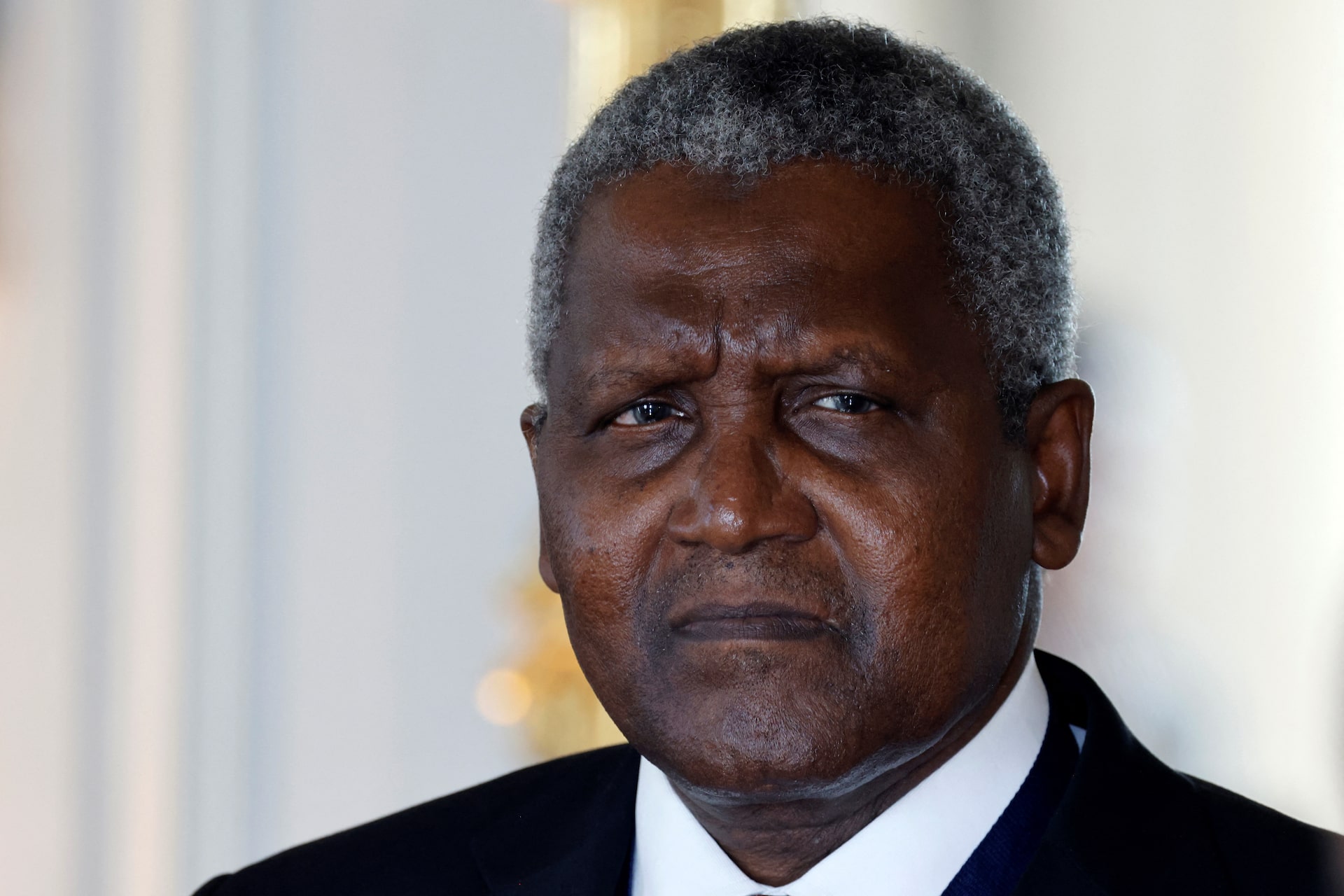
At the centre of this unfolding crisis stands Aliko Dangote, Africa’s richest man and, arguably, Nigeria’s most consequential private investor of this generation.
His recent interventions, pointed, public, unyielding and unusually combative, have walked an uneasy line between patriotism and vendetta. And that distinction matters.
Not merely for Dangote, but for a country attempting to reset an oil and gas industry historically captured by rent-seeking, opacity and elite power games.
Dangote’s economic footprint is vast. Cement. Sugar. Salt. Fertiliser.
And now oil refining. Few private actors since independence have occupied so much strategic space in Nigeria’s economy.
The $20 billion Dangote Refinery was sold to Nigerians not simply as a business venture, but as a national intervention, a private-sector response to decades of state failure in petroleum refining.
Nigeria, Africa’s largest crude oil producer, exporting crude only to import refined fuel at enormous economic and social cost, had become a global paradox. Dangote stepped into that vacuum, and many applauded.
Fair enough.
No rational observer begrudges Dangote a return on such massive investment. But allowing the protocols of industry regulation to be bent, bullied or delegitimised in the process would amount to an incalculable institutional harm.
Patriotism, particularly in a constitutional democracy, is not self-certifying. It is not enough to build big or invest big. It also matters how power is exercised, how disagreements with regulators are conducted, and how public narratives are shaped when interests collide.
The recent disputes involving the refinery, regulatory agencies, oil marketers and elements of the political class have exposed a deeper fault line.
On one side is the argument that Dangote is being deliberately frustrated by entrenched interests who profit from fuel importation and the historic opacity of the downstream sector. This view is popular — and not without merit. Nigeria’s oil economy has long functioned as a feeding bottle for cartels and middlemen who thrive on inefficiency. Any serious attempt to localise refining was bound to provoke resistance.
On the other side, however, is a growing concern that Dangote’s public posture increasingly frames legitimate regulatory oversight as sabotage, and commercial competition as conspiracy.
This is where the patriotism narrative begins to blur.
In any functional economy, regulation is non-negotiable — no matter how strategic the investor. The Nigerian state has a duty, no matter how imperfectly discharged, to enforce standards, pricing frameworks and competition rules. When a private actor, even one of national scale, begins to position himself as larger than the system, red flags appear. Not because success is suspect, but because unchecked dominance is dangerous.
The resignations of the two PIA-era regulators poured petrol on an already volatile situation. If, as alleged, corruption runs deep within the regulatory architecture, then the problem is far larger than any single refinery or pricing dispute. Yet timing and motive remain unavoidable questions.
If evidence of corruption existed within the NMDPRA, for how long had it been known? Would it have surfaced if regulatory decisions had consistently aligned with Dangote’s commercial interests?
These are not cynical questions. They are necessary ones.
This is not an attempt to absolve Engineer Farouk Ahmed of wrongdoing. Resignation is not acquittal.
He must clear his name, and the state must investigate thoroughly.
But Nigeria is governed by law, not outrage.
The legal maxim remains immutable: he who alleges must prove. Public accusation, no matter how emotionally satisfying, is not a substitute for due process.
Here, Nigerians must draw a firm line between emotion and principle.
The oil sector is deeply rotten. Many will argue that, vendetta or patriotism notwithstanding, it is better that Dangote spoke out than remained silent.
There is force in that argument. Whistleblowing, even when imperfect, can trigger overdue reckoning.
But selective outrage is a fragile foundation for reform.
Over the years, the Dangote Group reportedly benefited from concessions, waivers and regulatory accommodations, particularly under the immediate past administration of late President Muhammadu Buhari.
Many were lawful. Some were strategic. Others remain poorly explained. This history complicates any claim to unblemished moral authority.
Equity is unforgiving. It does not negotiate sentiment. He who comes to equity must come with clean fingers.
The question Nigerians are entitled to ask, and will continue to ask, is simple but uncomfortable: how clean are Dangote’s fingers?
One cannot credibly indict a system one has navigated, shaped and profited from without submitting to the same level of scrutiny demanded of others.
What distinguishes the present moment, however, is the posture of the Tinubu administration.
By swiftly appointing replacements and stabilising regulatory leadership, the government signalled impatience with drift and refusal to personalise institutional crises.
In a sector notorious for paralysis and bureaucratic timidity, this decisiveness matters.
Since assuming office, President Bola Tinubu has taken politically costly but structurally significant decisions in the oil sector.
The removal of fuel subsidy shattered a long-standing taboo. Exchange rate unification dismantled another pillar of arbitrage and opacity.
These reforms were painful, but they cleared the ground for a more rational energy economy, if consistency is maintained.
Nigeria does not need new gods in the oil sector. It needs rules that work, regulators who are accountable, and investors who understand that scale does not confer immunity.
Replacing broken public institutions with unrestrained private power is not reform. It is abdication, no matter how attractively packaged.
The dividing line, then, is clear. Patriotism is building within the system while pushing it to improve.
Vendetta begins when regulation is delegitimised simply because it resists private or personal interest.
Dangote’s refinery can still be a national triumph. But its legacy will not be measured only in barrels refined or imports displaced. It will be judged by whether it strengthens Nigeria’s institutions, or bends them.
As facts continue to unfold, Nigerians would do well to insist on process over passion. The oil sector has consumed too many careers, reputations and national resources already.
What it needs now is truth, restraint and momentum.
Nigeria, ultimately, is bigger than all of us.


 Follow Us on Google Discover





Opposition will front a single candidate against Tinubu, announcement will be made few days to election – Lukman

La Liga: Unstoppable Barcelona beat Real Betis 5-2 to extend winning run

EPL: Super Eagles star Iwobi fires Fulham to first league victory

Ogun hospital under fire as Nurse dies of asthma attack amid alleged oxygen failure

Maryam Babangida Center for Women Devt gets first wheel chair ramp after 34 years

Shettima inaugurates Arewa for Asiwaju campaign office in Abuja

2027: ‘APM will beat Tinubu in 12 battleground states’ – Makinde’s campaign team

Veteran Journalist, diplomat Dele Cole dies at 86

Suspended NSCDC commandant apologises over deaths of suspected illegal miners in Niger

EPL: Martinez rushed to hospital after head injury as Chelsea beat Everton

COAS arrives Borno as Military moves to clear terrorist camps, rescue abductees

Macky Sall quits race for UN Secretary-General position

Buhari backed Osinbajo’s presidential ambition four times, Akande tells Babachir Lawal

Dr. Benjamins‑Laniyi urges media to amplify women’s leadership, adopt gender‑sensitive reporting

Pope Leo XIV set to leave hospital after lung cancer surgery

Erisco Foods announces 13 job openings across Nigeria – Apply Now

House Officers, Nurses, Radiographers, Others wanted as DELSUTH opens recruitment – Apply Now

2027: Step down if you are not working for Tinubu – Deji Adeyanju dares Obi, Kwankwaso

Tinubu reappoints Bala Bila as INEC commissioner, nominates six others

Elon Musk unveils Tesla’s ‘flying’ car in stunning demonstration

2027: Kwankwaso a goat in sheep’s clothing, secretly working for Tinubu – Atiku Campaign Council

2027: Tinubu to miss rallies in over 20 States as APC releases campaign timetable

33 Governors cannot be wrong in supporting Tinubu – Bayo Onanuga

Outrage as suspected cultists unveil renovated police post in Rivers

2027: ‘Atiku, Obi, Duke, Makinde are not threats to Tinubu’, says APC

Atiku fully fit, ready to campaign in all 36 states, interact with Nigerians – ADC PCC

Gunmen storm Plateau, kill traditional ruler at residence

2027: ‘Don’t trust your destiny to ‘kalokalo’ people’ – Wike warns Rivers voters against Atiku, Amaechi, Obi

BREAKING: Oyebanji makes history as first Ekiti Governor to win second consecutive term
