
News
‘Insurance’ label scares off workers — NSITF MD backs name change in new bill

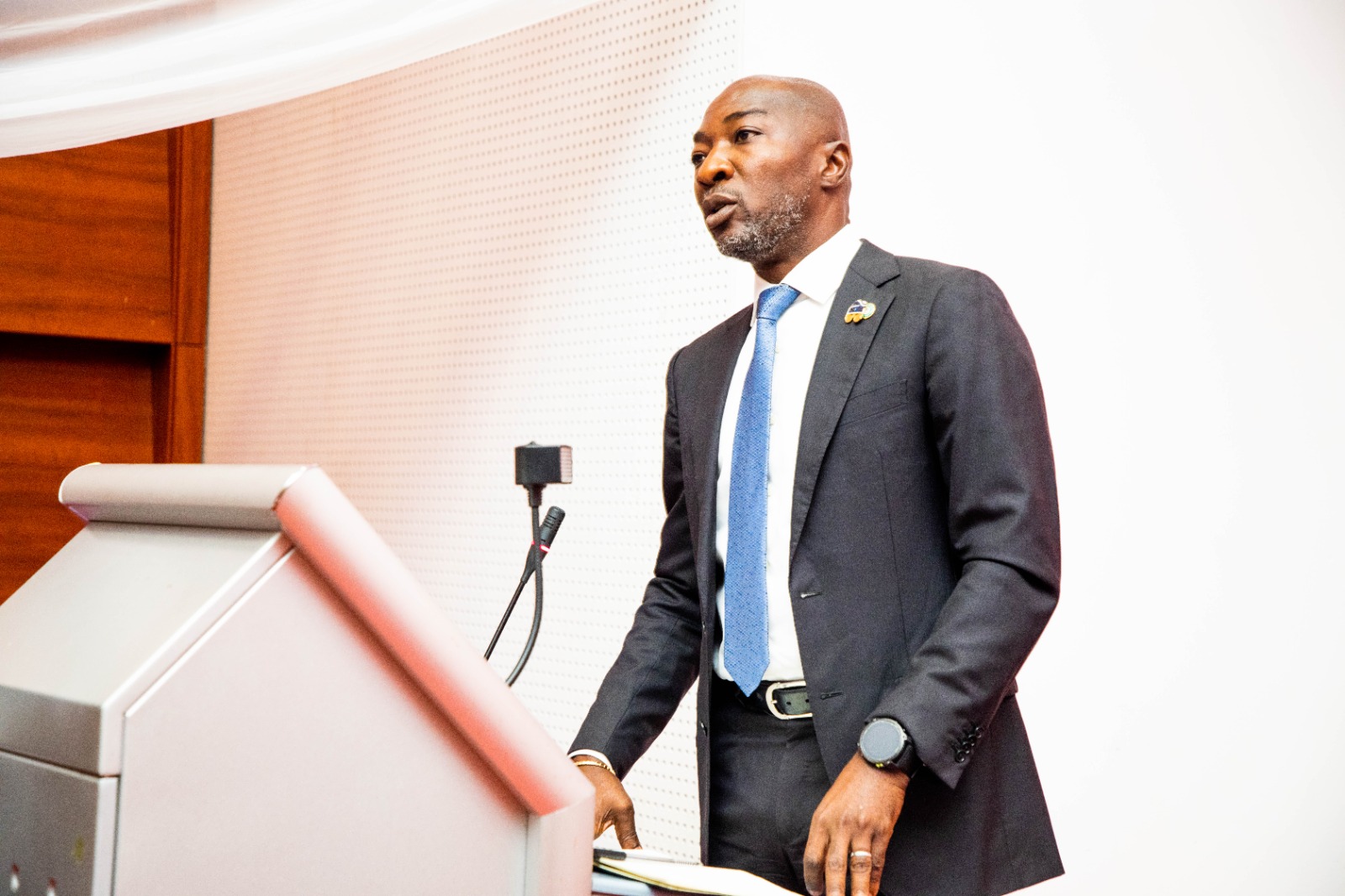
The Managing Director and Chief Executive of the National Social Insurance Trust Fund (NSITF), Barrister Oluwaseun Faleye, has thrown his weight behind the proposal to remove the word “Insurance” from the agency’s name, saying the term has for years hindered the public acceptance of the Employees’ Compensation Scheme across many parts of the country.
Faleye, who made the remarks in a detailed memorandum presented at a public hearing on the Nigeria Social Insurance Trust Fund Bill 2025 at the National Assembly, explained that the resistance to the term “Insurance” is rooted in cultural perceptions that often create suspicion or misunderstanding about the Fund’s mandate.
According to him, extensive stakeholder engagements showed that the word discouraged workers and employers from embracing the scheme, despite its clear benefits.
He noted that the proposed removal of the term would not only improve public acceptance but would also better position the institution to administer additional International Labour Organisation–recognised contingencies whenever Nigeria decides to domesticate them.
Describing the new bill as a fresh dawn for workers, employers and the broader social protection ecosystem, Faleye commended federal lawmakers for embarking on what he called a long-overdue reform.
The NSITF boss recalled that following the Pension Reform Act (PRA) 2014, major components of the Fund’s earlier mandate, particularly contributory pension administration, were transferred to the National Pension Commission.
Yet, Sections 84(2) and (3) of the PRA expressly authorised the NSITF to continue providing other social security insurance services, excluding pensions, in line with the NSITF Act.
This framework, he explained, paved the way for the enactment of the Employees’ Compensation Act (ECA) 2010, which gave the Fund full responsibility for managing the compensation scheme.
However, Faleye disclosed that the simultaneous existence of the NSITF Act 1993 and the ECA 2010 created operational ambiguities, conflicting provisions and bottlenecks that complicated efficient service delivery.
He described the proposal to repeal both laws and consolidate them into a single Nigeria Social Security Trust Fund Act as a necessary and timely intervention that would eliminate duplication, resolve long-standing conflicts and strengthen the institution’s legal foundation.
Highlighting key improvements captured in the proposed legislation, the Managing Director praised the introduction of electronic submission of compensation claims, which he said would drastically reduce delays and enhance efficiency.
He also welcomed the inclusion of the informal sector and self-employed Nigerians, a move that significantly expands social protection coverage in a country where informal labour dominates the workforce.
Faleye noted that the bill also recognises cultural realities by acknowledging multiple spouses in compensation payments, and grants the Fund authority to establish trust accounts for minors who are dependants of deceased workers.
He applauded the inclusion of trado-medical practitioners in treatment processes under the scheme, saying it reflects Nigeria’s unique social context and ensure a more holistic approach to workplace injury care.
He added that the reforms align with President Bola Ahmed Tinubu’s Renewed Hope Agenda and are consistent with global best practices, including ILO social security conventions. Faleye reaffirmed the NSITF’s readiness to implement the new provisions once the bill is passed, saying the reforms mark a crucial step toward building a more efficient, inclusive and credible social security architecture for Nigerian workers.


 Follow Us on Google Discover



‘Nigeria cannot become prosperous in four years’ — Tinubu’s Economic Adviser says

2027: Tinubu must be stopped, ‘even Buhari saw him as bad news’ — Hakeem Baba-Ahmed

APC sweeps all 21 chairmanship seats, 239 Councillorship positions in Kogi LG poll

‘₦29,000 Cannot sustain a retired officer’ — Atiku challenges Tinubu on police pensions, proposes initiative

FG ends 17-year blackout in Gombe community with 1MW solar mini-grid

EPL: Leeds hold Man Utd to 1-1 draw as pressure mounts on Carrick

DSS arrests of NYSC kidnappers, Faisal Maina: Why intelligence must take centre stage: by Olufemi Lawson

SSANU halts two-week strike ultimatum after FG’s intervention

Catholic priest dies after Jesus’ statue falls on him during mass in Ecuador (video)

2027: NDC will never step down for Atiku, stop attacking us – Kwankwaso replies ADC Campaign Council

I fear APC’s internal crisis more than Atiku – Shettima

Why Shettima Insults Atiku: by Farooq Kperogi

Messi’s double fires Inter Miami to 3-1 victory over Atlanta United

Opposition will front a single candidate against Tinubu, announcement will be made few days to election – Lukman

La Liga: Unstoppable Barcelona beat Real Betis 5-2 to extend winning run

2027: Step down if you are not working for Tinubu – Deji Adeyanju dares Obi, Kwankwaso

2027: Kwankwaso a goat in sheep’s clothing, secretly working for Tinubu – Atiku Campaign Council

Security forces arrest five suspects over abduction of 20 NYSC members in Imo

33 Governors cannot be wrong in supporting Tinubu – Bayo Onanuga
Opposition will front a single candidate against Tinubu, announcement will be made few days to election – Lukman

2027: ‘I wont join my Uncle to support Tinubu’ – Davido says

DSS arrests Maina’s fugitive son in Abuja, hands him over to EFCC

Veteran Journalist, diplomat Dele Cole dies at 86

Gunmen kill four vigilantes in Plateau community

Tension as traditional ruler collapses, dies in Ondo

Suspended NSCDC commandant apologises over deaths of suspected illegal miners in Niger
2027: NDC will never step down for Atiku, stop attacking us – Kwankwaso replies ADC Campaign Council

Ogun hospital under fire as Nurse dies of asthma attack amid alleged oxygen failure

2027: ‘APM will beat Tinubu in 12 battleground states’ – Makinde’s campaign team
