
National News
Nigerian schools to teach exclusively in English, says Education Minister Alausa

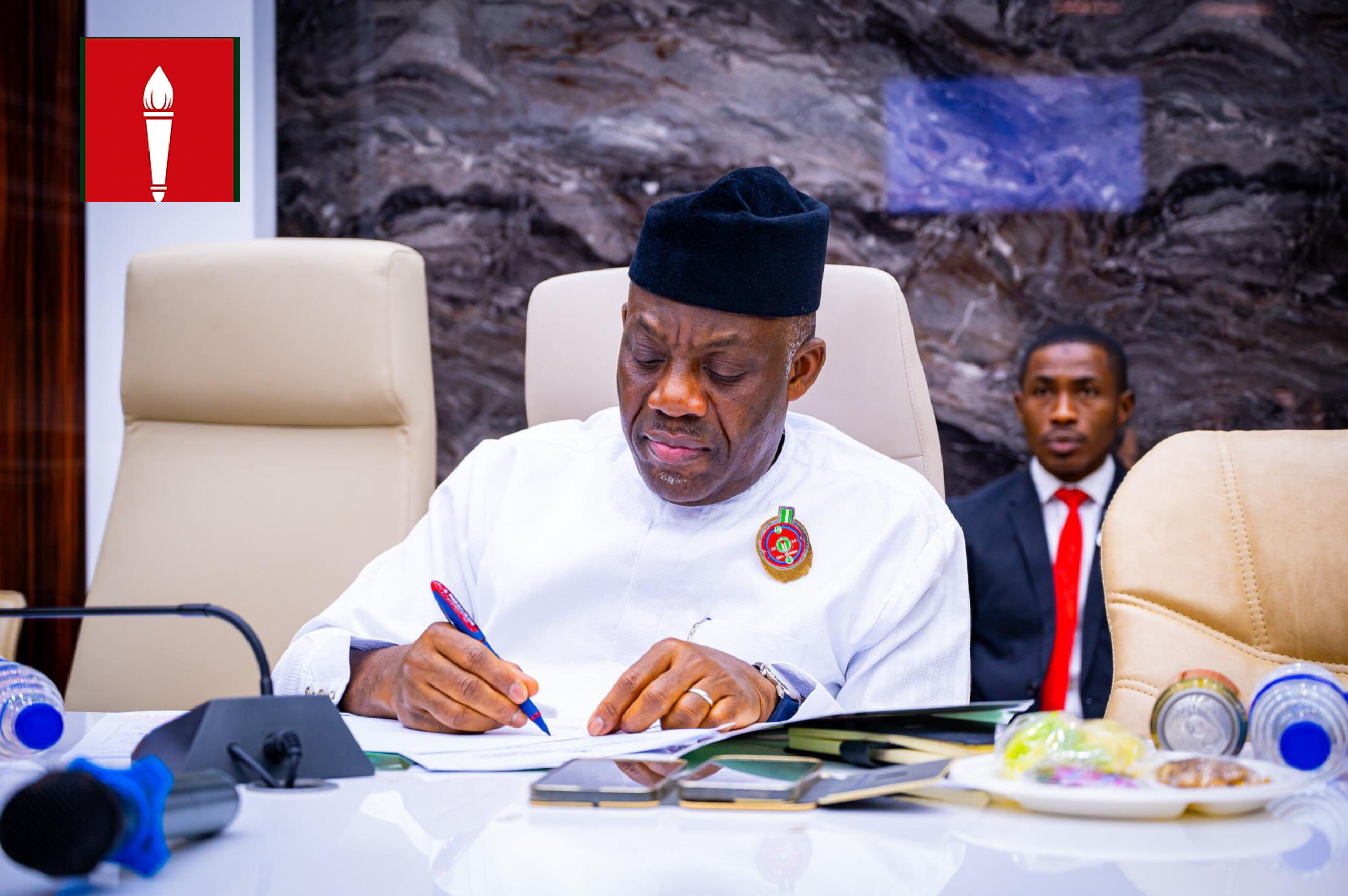
The Federal Government has suspended the use of indigenous languages as a medium of instruction in Nigerian schools, directing teachers across the country to prioritise English in all teaching activities.
Minister of Education, Dr. Tunji Alausa, made the announcement on Wednesday during the Language in Education International Conference 2025 organised by the British Council in Abuja.
The two-day conference, themed “Language, Education and Inclusion: Empowering Every Learner,” brought together educators, policymakers, and researchers from Africa, South Asia, and the UK to discuss strategies for improving education through language inclusivity.
Dr. Alausa stated that while the preservation of indigenous languages remains essential for cultural identity, English would now serve as the official language of instruction from pre-primary to tertiary levels.
According to him, this shift aims to improve comprehension, learning outcomes, and global competitiveness among Nigerian students.
“The English language should be used to teach our students at all levels as a means of instruction,” Alausa said.
“Over the years, mother tongues have been used to teach, and this has largely been responsible for the failures recorded in exams.”
“The national policy on language has been cancelled. English now stands as the medium of instruction across all levels of education.”
He further explained that English acts as a unifying tool across Nigeria’s diverse linguistic landscape, offering students better access to global knowledge, technology, and opportunities.
The minister noted that data showed excessive reliance on mother tongue instruction had negatively affected performance in national exams such as WAEC, NECO, and JAMB.
Alausa emphasised that the decision reflects a move toward evidence-based education reform, rather than what he called “emotional attachment to language identity.”
Meanwhile, the British Council reaffirmed its support for inclusive and equitable education across Sub-Saharan Africa.
Julian Parry, Director of English Programmes for Sub-Saharan Africa, said, “Language can serve as a bridge to inclusion, identity, and opportunity for every learner,” stressing the importance of collaboration and knowledge-sharing to enhance global education outcomes.
Also speaking, the Director of Programmes at British Council Nigeria, Chikodi Onyemerela, underscored inclusion as a key focus of the Council’s partnerships, adding that since 2015, its Pan-Ethnic Classrooms Programme has promoted inclusive teaching practices in Nigerian schools.


 Follow Us on Google Discover






Macky Sall quits race for UN Secretary-General position

Buhari backed Osinbajo’s presidential ambition four times, Akande tells Babachir Lawal

Dr. Benjamins‑Laniyi urges media to amplify women’s leadership, adopt gender‑sensitive reporting

Pope Leo XIV set to leave hospital after lung cancer surgery

Gunmen kill four vigilantes in Plateau community

Tension as traditional ruler collapses, dies in Ondo

2027: Kwankwaso a goat in sheep’s clothing, secretly working for Tinubu – Atiku Campaign Council

DSS arrests Maina’s fugitive son in Abuja, hands him over to EFCC

2027: Step down if you are not working for Tinubu – Deji Adeyanju dares Obi, Kwankwaso

2027: ‘I wont join my Uncle to support Tinubu’ – Davido says

Enugu NYSC death: NAFDAC debunks claims linking corps members death to fake drugs

33 Governors cannot be wrong in supporting Tinubu – Bayo Onanuga

Security forces arrest five suspects over abduction of 20 NYSC members in Imo

Rugby star Hyron Andrews dies at 31 after accidental fall in South Africa

LAUTECH Resident Doctors halt 50-day strike as Makinde intervenes

Erisco Foods announces 13 job openings across Nigeria – Apply Now
‘You Betrayed Osun People’ — Adeleke, Davido face backlash over support for Tinubu

Ex-Senator Bello Mandiya’s body found in Abuja home three days after he slipped, hit his head in the bathroom

Tinubu reappoints Bala Bila as INEC commissioner, nominates six others

House Officers, Nurses, Radiographers, Others wanted as DELSUTH opens recruitment – Apply Now

‘I love Islam, I’ve sent people to Mecca to pray for me, Nigeria for 25 years’ – Akpabio
2027: Step down if you are not working for Tinubu – Deji Adeyanju dares Obi, Kwankwaso

Panic in Rivers community as pipeline explosion injures 20, razes over 50 houses

Umahi reopens first Niger bridge after emergency repairs, displays Tinubu’s photos

Elon Musk unveils Tesla’s ‘flying’ car in stunning demonstration

2027: Tinubu to miss rallies in over 20 States as APC releases campaign timetable

INEC refutes claims of missing voters’ register in Lagos wards

‘No plan to raise electricity tariff’ – FG assures Nigerians

Former NPA Managing Director Aminu Dabo resigns from APC