
News
Population, limited resources slowing impact of Tinubu’s reforms — Daniel Bwala

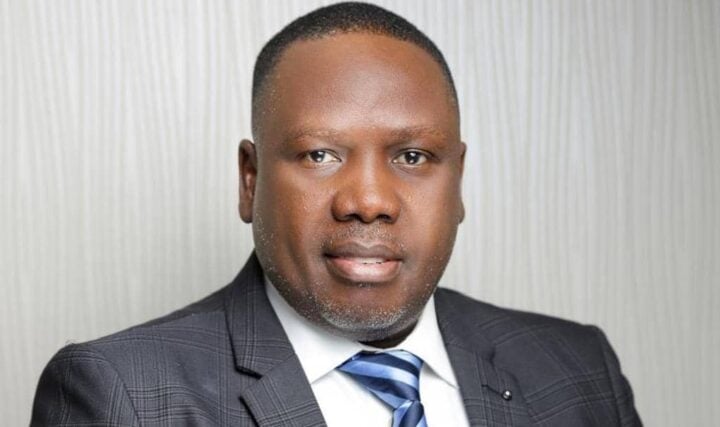
Special Adviser to President Bola Ahmed Tinubu on Media and Policy Communication, Daniel Bwala, has said Nigeria’s large population and significant infrastructure deficit are responsible for the slow pace at which the benefits of the administration’s economic reforms are reaching ordinary citizens.
Speaking during an interview on ARISE News on Tuesday, Bwala explained that despite improvements in government revenue, available resources remain insufficient to meet the needs of more than 230 million Nigerians and address decades of infrastructure challenges.
According to him, the size of the population means that the impact of reforms will take time to be fully felt across the country.
“The answer is simply population and resources. The population is over 230 million. The resources we have, however—even with the increased revenue—are not enough to match the population and the deficit in terms of infrastructure. So, growth will inevitably be slow, but it will be slow, steady, and consistent,” he said.
Bwala argued that the administration’s policies are already producing results, particularly through increased allocations to state governments, which he said have improved governance and facilitated development projects in various parts of the country.
“When you talk about the increased revenue, the effect of that increased revenue is the higher allocation to states, which has resulted in state administration improvements and has also impacted the people,” he stated.
While declining to compare the performance of individual states, Bwala maintained that federal government reforms have had positive effects nationwide.
“I am actually not here to start talking about state versus state because it would take away from my job description, which is to talk about what the federal government is doing, the concomitant effect of which is seen in the states,” he said.
The presidential aide highlighted several intervention programmes introduced by the administration, including the Nigerian Education Loan Fund (NELFUND), the Compressed Natural Gas (CNG) transportation initiative, and healthcare support programmes such as subsidies for dialysis treatment and Caesarean section procedures.
According to him, these initiatives are targeted primarily at low-income Nigerians.
“When we talk about over one million beneficiaries of the Student Loan Fund (NELFUND), these are not children of the rich; these are children of the poor. Without the intervention in this regard, they may not have had the opportunity to achieve their dreams,” he said.
He added that the CNG programme and healthcare subsidies were also designed to ease economic pressures on vulnerable citizens.
“Every policy introduced by this government has the poor as its direct beneficiaries,” Bwala maintained.
On concerns over rising poverty and the gap between economic statistics and living conditions, Bwala acknowledged that many Nigerians are yet to feel the full benefits of the reforms.
“The argument most people make is that the administration appears to be too focused on macroeconomic indicators. They are not focused enough on household economics. So you are celebrating numbers while citizens are counting their losses. That’s a fact,” he said.
However, he insisted that the government remains committed to delivering long-term economic gains, stressing that limited resources and a rapidly growing population continue to affect the pace of poverty reduction despite ongoing reforms.


 Follow Us on Google Discover





Catholic priest dies after Jesus’ statue falls on him during mass in Ecuador (video)

2027: NDC will never step down for Atiku, stop attacking us – Kwankwaso replies ADC Campaign Council

I fear APC’s internal crisis more than Atiku – Shettima

Why Shettima Insults Atiku: by Farooq Kperogi

Messi’s double fires Inter Miami to 3-1 victory over Atlanta United

Opposition will front a single candidate against Tinubu, announcement will be made few days to election – Lukman

La Liga: Unstoppable Barcelona beat Real Betis 5-2 to extend winning run

EPL: Super Eagles star Iwobi fires Fulham to first league victory

Ogun hospital under fire as Nurse dies of asthma attack amid alleged oxygen failure

Maryam Babangida Center for Women Devt gets first wheel chair ramp after 34 years

Shettima inaugurates Arewa for Asiwaju campaign office in Abuja

2027: ‘APM will beat Tinubu in 12 battleground states’ – Makinde’s campaign team

Veteran Journalist, diplomat Dele Cole dies at 86

Suspended NSCDC commandant apologises over deaths of suspected illegal miners in Niger

EPL: Martinez rushed to hospital after head injury as Chelsea beat Everton

Erisco Foods announces 13 job openings across Nigeria – Apply Now

2027: Step down if you are not working for Tinubu – Deji Adeyanju dares Obi, Kwankwaso

House Officers, Nurses, Radiographers, Others wanted as DELSUTH opens recruitment – Apply Now

Tinubu reappoints Bala Bila as INEC commissioner, nominates six others

2027: Kwankwaso a goat in sheep’s clothing, secretly working for Tinubu – Atiku Campaign Council

Security forces arrest five suspects over abduction of 20 NYSC members in Imo

33 Governors cannot be wrong in supporting Tinubu – Bayo Onanuga

2027: ‘Don’t trust your destiny to ‘kalokalo’ people’ – Wike warns Rivers voters against Atiku, Amaechi, Obi

LAUTECH Resident Doctors halt 50-day strike as Makinde intervenes

BREAKING: Oyebanji makes history as first Ekiti Governor to win second consecutive term

2027: ‘I wont join my Uncle to support Tinubu’ – Davido says
Opposition will front a single candidate against Tinubu, announcement will be made few days to election – Lukman

DSS arrests Maina’s fugitive son in Abuja, hands him over to EFCC

BREAKING: Cross River PDP Chairman Venatius Ikem resigns, cites leadership crisis
