
News
Without funding reform, clean recruitment, security crisis will worsen in Nigeria – Rep Betara

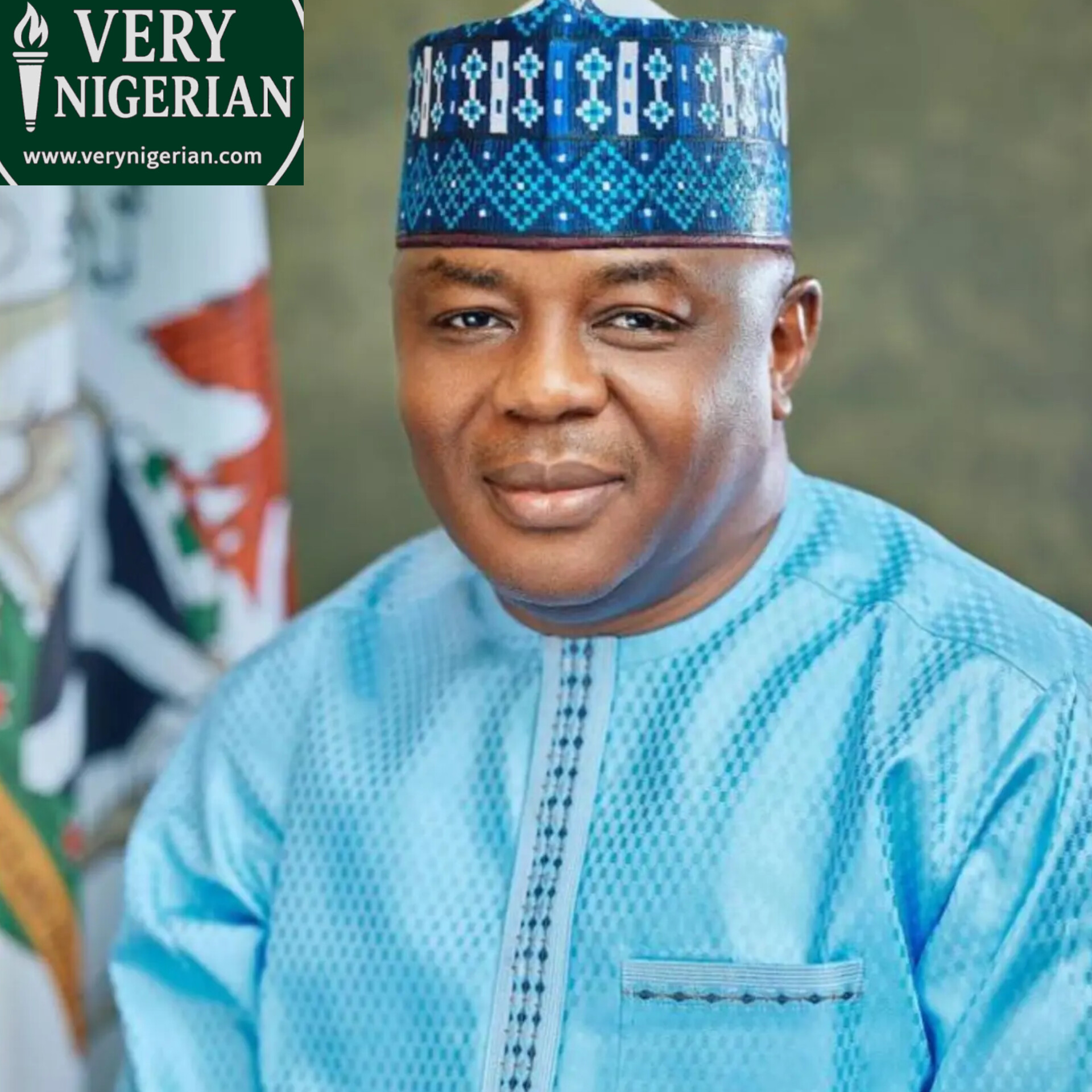
Former Chairman of the House Committee on Army, Hon. Muktar Betara (APC, Borno), has warned that Nigeria cannot win the fight against insurgency and banditry unless the country urgently fixes the way its security sector is funded and how military equipment is procured.
Betara, who spoke for the North-East during the House of Representatives special debate on national security, said chronic underfunding remains a major setback.
He noted that even though the defence sector received about ₦1.3 trillion in the 2025 budget, the spending pattern is still “disturbingly skewed”.
“The Air Force has no capital budget at all, only recurrent. Out of the ₦1.2 trillion recurrent allocation, ₦900 billion is overhead. How do you expect them to procure equipment, aircraft or technology?” he asked.
He added that many of the concerns raised during his time as chairman of the committee have still not been addressed.
“There are issues with military procurement, very serious issues, and if we do not address them, the insecurity challenge will continue,” he warned.
Also speaking, former Deputy Speaker Hon. Ahmed Idris Wase said no amount of funding will solve the insecurity problem if the recruitment process continues to admit criminals into the armed forces.
“There was a time Boko Haram members appeared on the Army recruitment list. Armed robbers and gang members were also found on lists for the Army and Police,” he revealed.
Wase urged lawmakers to stop recommending unqualified people for security jobs, warning that the wrong recruits put the nation at risk.
“If you put criminals in uniform, you cannot solve the insecurity problem. We must recommend people of integrity,” he said.
Representing the North-West, Hon. Sada Soli (APC, Katsina) said insecurity in the zone has deep structural and environmental roots, not just criminal behaviour.
“A purely kinetic or military response will not work. We must address land issues, climate pressures and rebuild trust in state institutions,” he argued.
Hon. Kafila Kogbara (APC, Lagos) added that state governments must take more responsibility for security.
“The President cannot be in all 36 states. Governors must do more,” she said.
She also pushed for a national safe-schools framework with compulsory security deployment in high-risk schools, CCTV coverage, early-warning sensors and better communication systems for security alerts.


 Follow Us on Google Discover



La Liga: Unstoppable Barcelona beat Real Betis 5-2 to extend winning run

EPL: Super Eagles star Iwobi fires Fulham to first league victory

Ogun hospital under fire as Nurse dies of asthma attack amid alleged oxygen failure

Maryam Babangida Center for Women Devt gets first wheel chair ramp after 34 years

Shettima inaugurates Arewa for Asiwaju campaign office in Abuja

2027: ‘APM will beat Tinubu in 12 battleground states’ – Makinde’s campaign team

Veteran Journalist, diplomat Dele Cole dies at 86

Suspended NSCDC commandant apologises over deaths of suspected illegal miners in Niger

EPL: Martinez rushed to hospital after head injury as Chelsea beat Everton

COAS arrives Borno as Military moves to clear terrorist camps, rescue abductees

Macky Sall quits race for UN Secretary-General position

Buhari backed Osinbajo’s presidential ambition four times, Akande tells Babachir Lawal

Dr. Benjamins‑Laniyi urges media to amplify women’s leadership, adopt gender‑sensitive reporting

Pope Leo XIV set to leave hospital after lung cancer surgery

Gunmen kill four vigilantes in Plateau community

Erisco Foods announces 13 job openings across Nigeria – Apply Now

House Officers, Nurses, Radiographers, Others wanted as DELSUTH opens recruitment – Apply Now

2027: Step down if you are not working for Tinubu – Deji Adeyanju dares Obi, Kwankwaso

Tinubu reappoints Bala Bila as INEC commissioner, nominates six others

Panic in Rivers community as pipeline explosion injures 20, razes over 50 houses

Elon Musk unveils Tesla’s ‘flying’ car in stunning demonstration

2027: Kwankwaso a goat in sheep’s clothing, secretly working for Tinubu – Atiku Campaign Council

2027: Tinubu to miss rallies in over 20 States as APC releases campaign timetable

33 Governors cannot be wrong in supporting Tinubu – Bayo Onanuga

2027: ‘Atiku, Obi, Duke, Makinde are not threats to Tinubu’, says APC
Gunmen storm Plateau, kill traditional ruler at residence

2027: ‘Don’t trust your destiny to ‘kalokalo’ people’ – Wike warns Rivers voters against Atiku, Amaechi, Obi

Outrage as suspected cultists unveil renovated police post in Rivers

Atiku fully fit, ready to campaign in all 36 states, interact with Nigerians – ADC PCC
