National News
JUST-IN: US slaps 12.5% tariff on Nigerian imports over forced labour policy

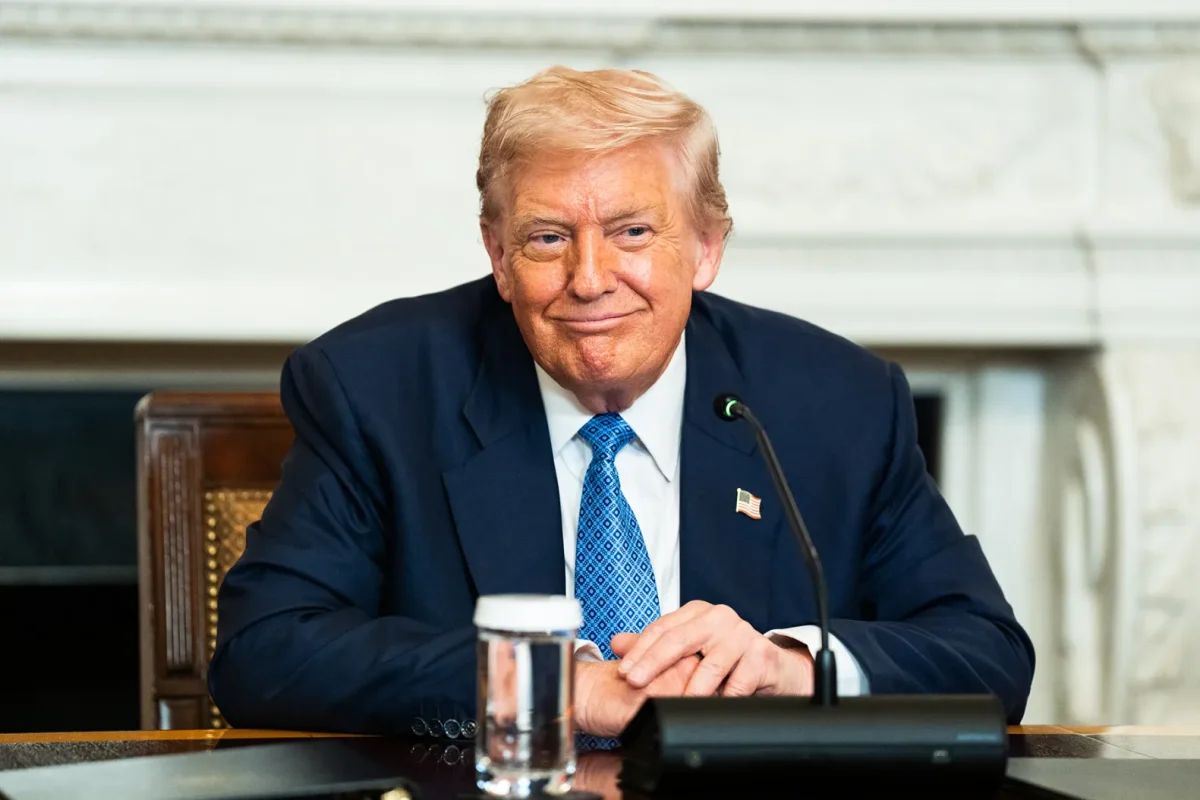
The United States has imposed a 12.5 per cent tariff on imports from Nigeria under a new trade policy targeting countries it says have not effectively prohibited the importation of goods produced through forced labour.
The new tariff was announced on Thursday by the Office of the United States Trade Representative (USTR), following investigations into the trade practices of 60 economies conducted under Section 301 of the US Trade Act.
According to the USTR, the measure affects countries that have failed to implement and enforce effective bans on goods linked to forced labour.
Under the new policy, Nigeria falls into the category of countries that will face a 12.5 per cent tariff, while countries including India, Indonesia, Malaysia, Mexico and the United Kingdom will be subject to a lower 10 per cent tariff after either adopting or committing to enforce restrictions on imports associated with forced labour.
The USTR said the investigations, launched in May 2026, involved more than 1,600 written submissions, public hearings featuring over 100 witnesses, and consultations with more than 45 governments before the final decision was reached.
According to the agency, economies that have already implemented or formally committed to introducing forced labour import prohibitions qualify for the reduced 10 per cent tariff.
It stated that the lower tariff applies to countries that have enacted such bans, committed to doing so through reciprocal trade agreements, or introduced partial measures restricting imports linked to forced labour.
However, the agency maintained that 12.5 per cent is the appropriate tariff rate for all other economies covered by the investigation, including Nigeria.
A Federal Register notice released by the USTR stated that Nigeria’s exports to the United States would attract the 12.5 per cent tariff, except for products specifically exempted under Annex I and Annex II of the directive.
According to the notice, the decision followed a review of findings from the investigation, public comments, testimony, recommendations of the Section 301 Committee and advisory committees, as well as directives from President Donald Trump.
The USTR said the tariff structure and exemptions were designed to address the trade practices identified during the investigation.
The latest action comes after President Trump invoked Section 122 of the Trade Act of 1974 to introduce temporary universal tariffs following a US Supreme Court ruling that blocked his administration’s broader tariff plan under the International Emergency Economic Powers Act.
US Trade Representative Jamieson Greer said the measure was intended to encourage trading partners to strengthen efforts against forced labour in global supply chains.
According to him, the United States has maintained a ban on imports produced with forced labour for nearly a century, adding that it was time for other countries to adopt similar standards.
The USTR noted that several products would be exempted from the tariffs, including certain raw materials that could trigger domestic supply shortages, goods capable of causing widespread economic disruption, products unavailable in sufficient quantities within the United States or from alternative suppliers, and selected items from countries that have implemented or pledged to implement forced labour import bans.
The agency added that additional exemptions were granted in cases where the tariffs were considered unlikely to eliminate the trade practices identified during the investigation.


 Follow Us on Google Discover






‘I won’t steal Nigeria’s money, wont allow anyone steal’ — Obi

FG, Labour resume talks on minimum wage, petrol price dispute

Bandits abduct over 10 passengers, driver travelling from Kebbi to Abuja

Presidency tackles Atiku over economic policy, questions his qualifications

BREAKING: Harry Kane wins 2026 Ballon d’Or

‘Ebola may force postponement of 2027 elections’ – NCDC

‘Nomination Was Unlawful’ — NDC aspirant drags Omo-Agege, party to court

Prof Ochefu rejects NDC Campaign Council appointment, give reason

Burna Boy presents Socrates Award to Bukayo Saka at 2026 Ballon d’Or ceremony

NDC unveils new National Secretariat in Abuja

INEC bows to pressure, makes preliminary Voters’ Register available online for public inspection

‘Atiku wants to push Nigeria back into poverty’ — Shettima

Why data may be used even when mobile data is switched off – MTN

Fani-Kayode arrives in South Africa, pledges to strengthen bilateral ties

“I know what I came into office to do” — President Tinubu

BREAKING: NDC unveils 2027 National Campaign Council, names Babachir Lawal, Galadima to key roles (Full List)

2026 Ballon d’Or: Date, time, venue, streaming details revealed

Troops storm bandits’ hideout, rescue three kidnap victims in Kebbi

US Pastor marries second wife, describes monogamy as unbiblical

Blessing CEO regains freedom after four months in prison

BREAKING: NCDC identifies two additional suspected Ebola cases, tracks 53 primary contacts

Woman killed, two injured as gunmen attack groundnut farmers in Plateau

FIFA U-17 Women’s World Cup: Round of 16 fixtures, dates, kick-off times revealed

Outrage as viral video shows JIBWIS members demanding AK-47s, threaten to kill ‘Infidels’ in Enugu, Jos on a Sunday

Lone Ebola patient to be flown out of Nigeria for further treatment
Why data may be used even when mobile data is switched off – MTN

Reaction trails as APC youth leader Dayo Israel gifts 2026 Toyota Prado SUVs to party officials
“I know what I came into office to do” — President Tinubu

Bandits storm Kaduna community, abduct two farmers
