
News
‘FG’s fuel policy benefits oil firms, burdens poor Nigerians’ – Atiku

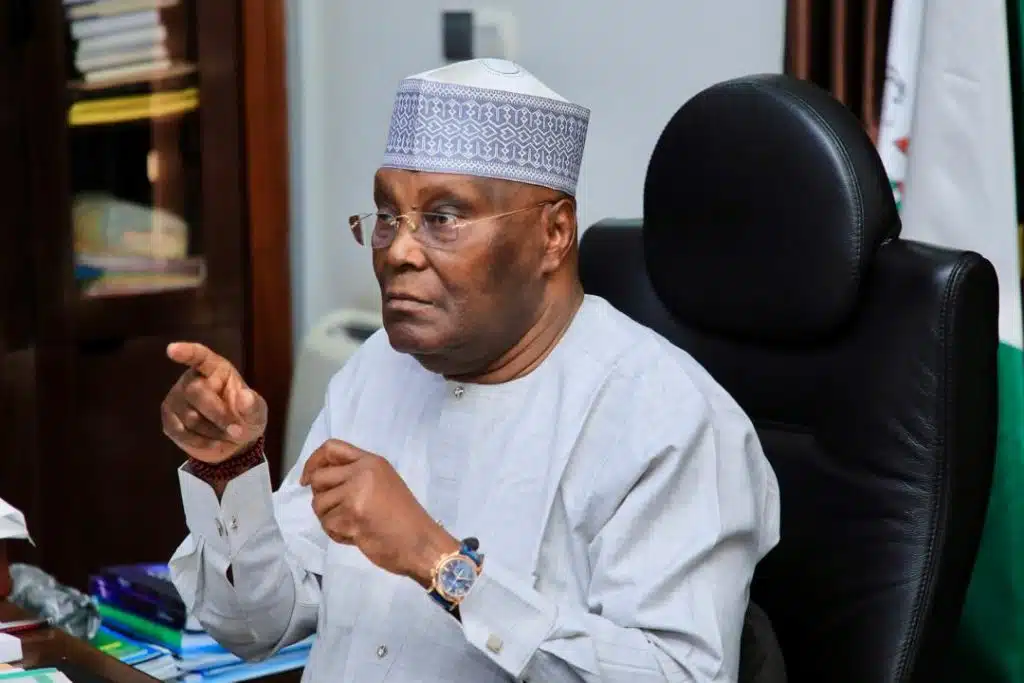
Former Vice-President Atiku Abubakar has criticised the Federal Government over what he described as preferential fiscal incentives for petroleum industry investors amid rising petrol prices and the worsening cost of living.
In a statement issued on Sunday by his Senior Special Assistant on Public Communication, Phrank Shaibu, Atiku said the government’s policies were inconsistent with President Bola Tinubu’s earlier declaration that the petrol subsidy had been removed.
The African Democratic Congress (ADC) presidential candidate alleged that while Nigerians continue to struggle with higher living costs, the administration has continued to grant tax credits, concessions and other fiscal incentives to operators in the petroleum sector.
“Nigerians were told there was no alternative and that enduring this pain was the necessary price of economic reform. But when major oil investors knock on Tinubu’s door, the sermon changes. Suddenly, government intervention is good economics; tax credits are necessary; fiscal concessions are strategic; and private investment must be ‘de-risked.’ Apparently, subsidy is only evil when poor Nigerians benefit from it,” Atiku said.
Atiku said the government’s deep offshore oil and gas projects incentives framework allows eligible petroleum projects to receive production tax credits of $3 to $4.50 per barrel, with additional incentives potentially raising the total benefit to as much as $11.50 per barrel under certain conditions.
“So, what exactly is Tinubu’s objection: government intervention itself, or government intervention for Nigerians?” he asked.
Atiku also questioned the government’s claim that the petrol subsidy had been eliminated, saying the Nigerian National Petroleum Company (NNPC) Limited’s audited accounts for 2023 recorded about N4.84 trillion in energy-security expenses and related shortfalls, and about N7.13 trillion in 2024.
According to Atiku, NNPC explained that the expense partly arose from the difference between the exchange rate used to determine the regulated PMS ex-coastal price and the prevailing exchange rate when import obligations were settled.
“So, where exactly did the subsidy go? If Nigerians were paying market prices because ‘subsidy is gone’, why was the Federation still carrying trillions of naira in under-recovery and energy-security costs?” Atiku asked.
“Nigerians do not eat semantics. Whether the government calls it subsidy, under-recovery, shortfall or energy security, public resources were being used to bridge a gap between economic cost and the price at which petrol was sold.”
‘WE’RE NOT PROPOSING OLD SUBSIDY REGIME’
Atiku said his proposed economic recovery plan would not restore the former open-ended and opaque subsidy system.
The ADC presidential candidate said he would introduce a targeted, capped, transparently budgeted and independently audited intervention tied to domestic production and accompanied by measures to expand refining capacity, improve competition and restore household purchasing power.
“You cannot subsidise capital and criminalise relief for citizens. You cannot offer cushions upstairs and call suffering downstairs reform,” Atiku said.
Atiku also demanded greater transparency on petroleum-sector tax credits, remissions, and other incentives, including the beneficiaries, the value of revenue surrendered, and the investments delivered in return.
He said Nigerian investors should also have equal and transparent access to comparable incentives, noting that the success of economic reforms should be measured by improvements in citizens’ living standards rather than the amount of suffering they endure.
Atiku said his economic plan is based on the principle that markets should function and investors should earn fair returns, while public finances remain protected and citizens benefit from economic policies.
Last week, Atiku said he would restore the petrol subsidy if elected president in 2027.
Atiku’s comment was criticised by Tinubu, who described the ADC presidential candidate as being “ignorant of governance and the economy”.


 Follow Us on Google Discover




2027: Wike threatens to block Amaechi’s campaign in Rivers over insults on Tinubu

Subsidy: ‘You see why it is good to go to school’ — Atiku taunts Tinubu over fuel policy

INEC to publish final list of governorship, assembly candidates Saturday

2027: Tinubu to launch re-election campaign in Kaduna October 24

Atiku’s address at ADC 2027 Presidential Campaign Council inauguration (Full Text)

Bloody thieves, lunatics’ like Amaechi won’t get to Nigeria’s Presidency — Wike

PDP accuses Ogun APC of plot to disrupt PVC collection exercise, calls for tight security

Kogi Councillor Rosemary Aduku dies after days in kidnappers den

Wike orders immediate demolition of illegal beer parlours in Abuja’s Asokoro axis

Kano Assembly begins review of state police bill, sets October 12 for second reading

Ekiti driver takes N3.5m Loan to campaign for Tinubu, Bamidele, Fatoba’s re-election

FCT strike: Wike orders ‘no work, no pay’ for NLC, NUT members

Gunmen kill security operative, steal motorcycle in Plateau

Gunmen abduct three CRIN workers in Oyo, demand N120m ransom

SERAP’s appeal against N100m defamation judgment stalls, adjourned again

Flour Mills of Nigeria announces Engineering Programme for young Nigerians – Apply Now

BREAKING: Tinubu’s Govt announces 30-Day petrol discount at filling stations for Nigerians

2027: Peter Obi will win with or without Igbos’ vote — Isaac Fayose

Federal University Gusau (FUGUS) announces recruitment for Pharmacists, Nurses, Engineers, Accountants, others -Apply Now

Supreme Court Verdict: Erring parties will not field candidates – INEC

Fresh tragedy averted as NAF Helicopter lands on farmland in Benue

2027: Taraba is 100% behind Tinubu — Governor Kefas

NAF Crash: Aiyedatiwa orders sustained search for missing victims, aircraft
Gunmen abduct three CRIN workers in Oyo, demand N120m ransom

Atiku rejects FG’s 30-Day petrol discount, questions what Nigerians will do in Day 31

20 abducted NYSC members reunite with families in Ibadan after seven days in captivity

ASUSS defies NUT strike, orders FCT teachers to resume work

FG appeals to scrap dealers to suspend strike, resume negotiations

Lakurawa terrorists kill two soldiers, Chinese national in Kebbi