
National News
FG approves ₦83.21bn to tackle flooding across states in Nigeria

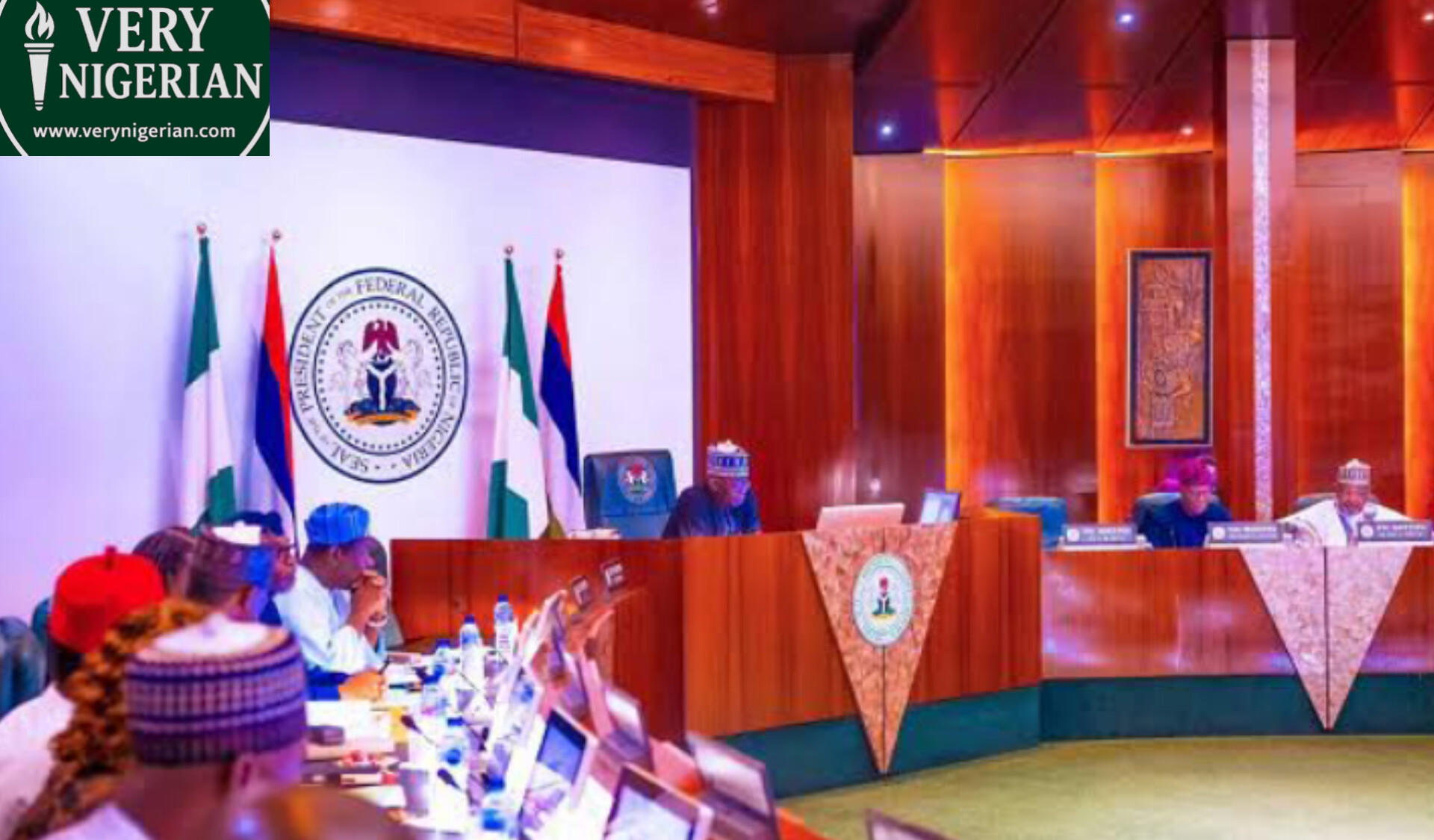
The National Economic Council has approved ₦83.21 billion for the implementation of an Anticipatory Action Task Force aimed at mitigating flooding and other climate-related disasters across Nigeria.
The approval followed a 50 per cent reduction from an initial ₦166.42 billion request submitted to the council by the Minister of Budget and Economic Planning, Atiku Bagudu.
The decision was taken on Thursday during the council’s 158th meeting, presided over by Vice President Kashim Shettima at the Presidential Villa in Abuja.
Briefing State House correspondents after the meeting, Cross River State Governor, Bassey Otu, said the approved funds would be drawn from the Federation Account Allocation Committee to enable timely interventions.
He said flooding had become a recurring national challenge, noting that the Federal Government was adopting proactive measures to reduce its impact across states.
Otu explained that the budget cut was not a rejection of urgency but a resource-management decision aimed at ensuring phased implementation of the programme.
He added that Nigeria was now shifting from reactive responses to preventive flood management strategies designed to reduce seasonal devastation.
According to him, past interventions had often come after flood disasters had already caused significant damage, but the new approach prioritises early action and mitigation.
Other governors also provided updates on discussions held at the meeting. Plateau State Governor, Caleb Mutfwang, said the initiative represents the first phase of a broader flood management plan that includes long-term infrastructure such as reservoirs to manage water releases from Cameroon’s Lagdo Dam.
Kano State Governor, Abba Yusuf, disclosed that the council also considered a proposed National Regional Development Policy for 2026 to 2030 aimed at addressing spatial inequalities across the country.
Osun State Governor, Ademola Adeleke, added that a proposal to strengthen Nigeria’s agro-export value chain was also reviewed, with projections suggesting it could unlock about $50 billion in annual agro-export potential currently constrained by compliance gaps.


 Follow Us on Google Discover









APM, Makinde sue Otti over alleged N200m campaign levy in Abia

‘Why are afraid of entering America?’, Atiku blasts Tinibu for missing third consecutive UNGA

Gunmen storm Kebbi community, kill village head

Former Kogi Gov Ibrahim Idris dies in UK

NDLEA seizes N3.4bn drugs, nab fake cop, mechanic

Falconets crash out of 2026 U-20 Women’s World Cup after 1-0 loss to Colombia

BREAKING: Tinubu confirms absence from 81st UN General Assembly in New York, directs Shettima to lead Nigerian delegation

2027: ‘Obi will defeat Tinubu by a wider margin in Lagos’ — NDC

NDC disowns OK Movement campaign council, refers John Ugulu for discipline

Raphinha set to sign new Barcelona contract until 2030

Four Nigerians receive UNGA Humanitarian, Goodwill Ambassador honours in New York

‘We Won’t Go Back to Egypt’ — Showunmi rejects Atiku’s petrol subsidy proposal

NSCDC names new Niger commandant following death of miners in custody

ECOWAS court set to hold 2026 international conference in Dakar

Nigerians already seeing reductions in transport fares – Tinubu
BREAKING: Tinubu confirms absence from 81st UN General Assembly in New York, directs Shettima to lead Nigerian delegation
Nigerians already seeing reductions in transport fares – Tinubu

Tinubu may shun UN General Assembly in New York – Fresh details emerge
‘We Won’t Go Back to Egypt’ — Showunmi rejects Atiku’s petrol subsidy proposal

‘Before lecturing Tinubu, you must answer questions from your past’ — Presidency to Atiku

Deji Adeyanju, Buhari others appointed as FG constitutes committee to probe NSCDC custody deaths (Full List)

‘The Site Belongs To Babangida’ – Survivor links deaths of miners in NSCDC custody to ex-Military Ruler
Four Nigerians receive UNGA Humanitarian, Goodwill Ambassador honours in New York

PL: Brighton thrash Arsenal 3-0, end Gunners’ winning run
Raphinha set to sign new Barcelona contract until 2030

NSCDC detains suspended Niger commandant, 21 officers over deaths of 37 miners

Why EFCC must prosecute Atiku – Agbonayinma
Falconets crash out of 2026 U-20 Women’s World Cup after 1-0 loss to Colombia
ECOWAS court set to hold 2026 international conference in Dakar