
News
FG unveils national single window to boost trade efficiency

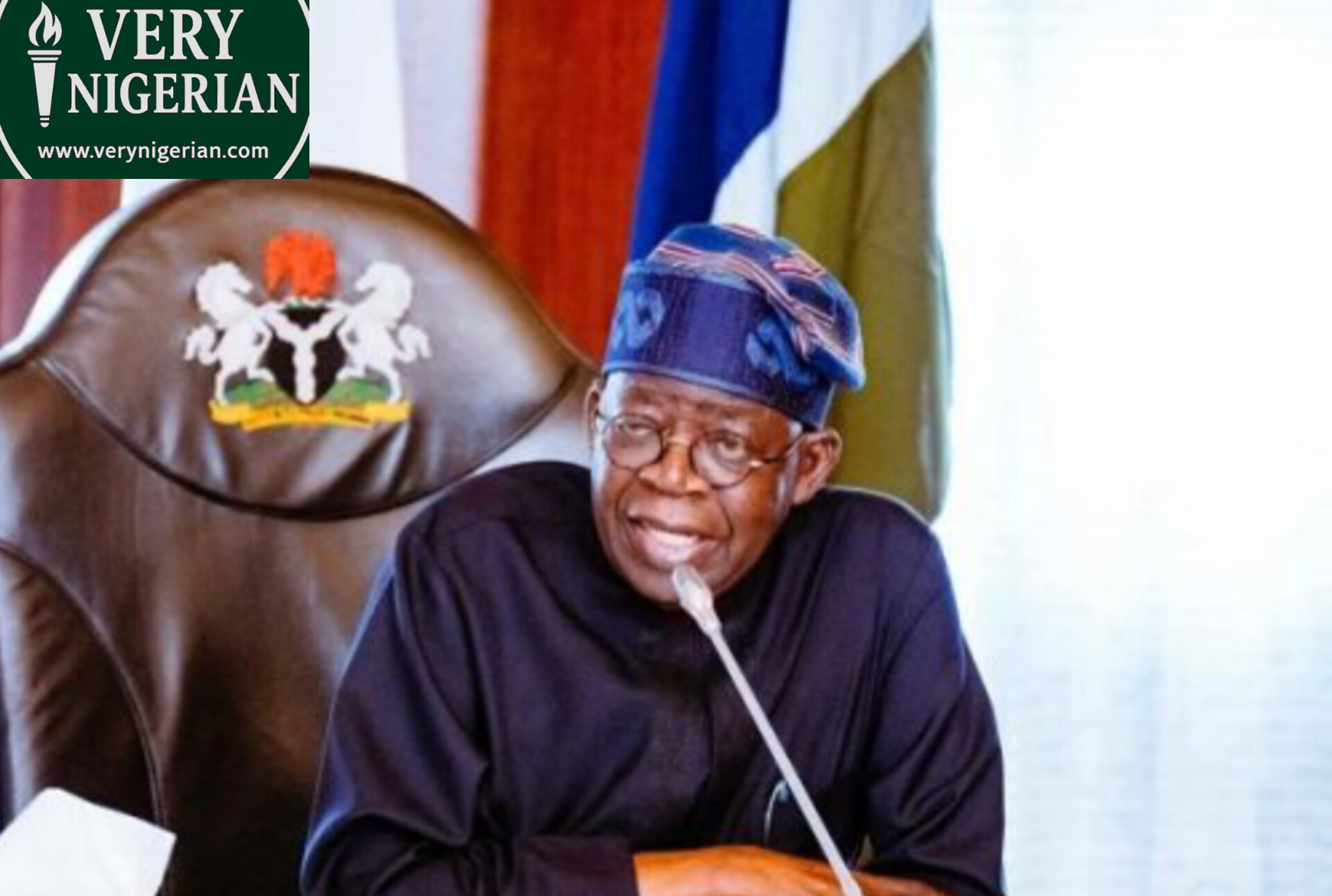
The Federal Government has rolled out Phase 1 of the National Single Window (NSW) initiative, aiming to significantly reduce cargo dwell time at Nigeria’s ports from the current 18–21 days to less than seven days before the end of the year.
Speaking at the launch in Lagos, the Minister of Finance and Coordinating Minister of the Economy, Wale Edun, described the initiative as a major move to modernise the country’s trade system.
According to him, the rollout aligns with a recent agreement to upgrade the Apapa Port and Tin Can Island Port.
Edun noted that the reform is part of a broader strategy to streamline port operations, lower the cost of trade, and boost economic growth across the country.
Speaking further, the minister said the reform had become necessary because, “As of 2025, cargo dwell time in Nigerian ports averaged 18–21 days.” This is approximately 475% higher than the global average of 4 days.”
The long cargo dwell time in Nigeria, he noted, had resulted in a high cost of doing business, delays for importers and exporters, and reduced competitiveness of Nigerian goods.
Mr Edun revealed that 73% of cargo dwell time in Nigeria was spent on documentation, customs processing, and regulatory approvals.
“This means the primary bottleneck is not physical infrastructure alone — it is process inefficiency,” he said.
The NSW, the minister assured, was Nigeria’s deliberate and integrated approach to addressing transaction delays.
His words, “Phase 1 of the NSW directly targets the 73% transaction delay component by introducing a single digital platform for trade documentation, eliminating multiple agency visits and duplicative processes.”
Other measures, according to Mr Edun, would include electronic submission of licences, permits, certificates (LPCOs), digital manifest processing, centralised risk management across agencies and transparent electronic payments.
The impact on dwell time, he explained, would be faster document processing, reduced human interface and bottlenecks and predictable and transparent timelines.
The minister said port modernisation would fix the physical bottlenecks as the government moves to upgrade Apapa and Tin Can Ports, which handle 70 per cent of Nigeria’s trade.
He said the modernisation would address the problems of congestion at terminals, inefficient cargo handling and outdated infrastructure in order to ensure faster cargo discharge and evacuation, reduced port congestion and improved turnaround time for vessels and trucks.


 Follow Us on Google Discover







2027: Kwankwaso a goat in sheep’s clothing, secretly working for Tinubu – Atiku Campaign Council

DSS arrests Maina’s fugitive son in Abuja, hands him over to EFCC

2027: Step down if you are not working for Tinubu – Deji Adeyanju dares Obi, Kwankwaso

2027: ‘I wont join my Uncle to support Tinubu’ – Davido says

Enugu NYSC death: NAFDAC debunks claims linking corps members death to fake drugs

33 Governors cannot be wrong in supporting Tinubu – Bayo Onanuga

Security forces arrest five suspects over abduction of 20 NYSC members in Imo

Rugby star Hyron Andrews dies at 31 after accidental fall in South Africa

LAUTECH Resident Doctors halt 50-day strike as Makinde intervenes

House Officers, Nurses, Radiographers, Others wanted as DELSUTH opens recruitment – Apply Now

FG raises health fund allocation to N40.76bn, extends insurance to prison inmates

Erisco Foods announces 13 job openings across Nigeria – Apply Now

Tinubu reappoints Bala Bila as INEC commissioner, nominates six others

2027: ‘Don’t trust your destiny to ‘kalokalo’ people’ – Wike warns Rivers voters against Atiku, Amaechi, Obi

BREAKING: Cross River PDP Chairman Venatius Ikem resigns, cites leadership crisis
Erisco Foods announces 13 job openings across Nigeria – Apply Now

2027: Atiku, Obi, Makinde, Adebayo, Duke hold talks with six opposition parties
‘You Betrayed Osun People’ — Adeleke, Davido face backlash over support for Tinubu

Ex-Senator Bello Mandiya’s body found in Abuja home three days after he slipped, hit his head in the bathroom
Tinubu reappoints Bala Bila as INEC commissioner, nominates six others

JUST IN: Finnish Appeal Court reduces Simon Ekpa’s jail term to four years, upholds terrorism conviction

‘I love Islam, I’ve sent people to Mecca to pray for me, Nigeria for 25 years’ – Akpabio

Zamfara govt set to empower 36,176 residents with Dangote shares

Over 10 soldiers, four civilians feared dead as Boko Haram terrorists attack Borno military base

Umahi reopens first Niger bridge after emergency repairs, displays Tinubu’s photos

Lagos govt announces 3-day traffic diversion on Independence bridge for emergency repairs

Panic in Rivers community as pipeline explosion injures 20, razes over 50 houses

Tension escalates as thugs attack NDC secretariat in Edo, destroy properties

‘Local champion’ – Donald Duke takes fresh swipe at Gov Diri over Lagos-Calabar coastal highway
