Politics
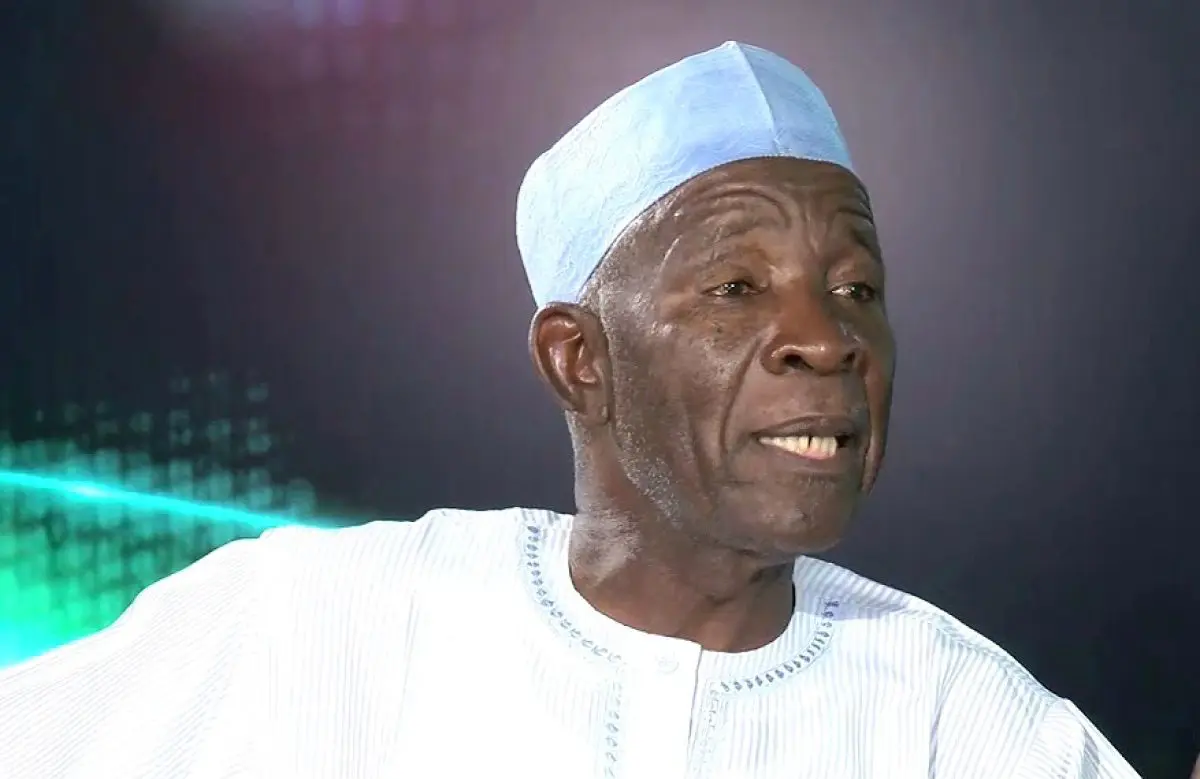
Obi, Kwankwaso have signed relevant documents with NDC, official defection will be announced Monday – Galadima

Nigeria’s opposition landscape appears headed for a dramatic shake-up, with indications that former presidential candidate Peter Obi and former Kano State governor Rabiu Kwankwaso are finalising plans to unveil a fresh political platform on Monday, according to sources within their political circles.
The development, which has been circulating across multiple political camps in Abuja and Kano, signals a possible collapse and rebirth of existing opposition coalitions ahead of the 2027 general elections.
At the centre of the unfolding realignment is the proposed Nigeria Democratic Congress (NDC), reportedly being positioned as the new home for disaffected opposition figures seeking a more stable electoral platform after months of internal disputes across parties such as the African Democratic Congress (ADC), Peoples Democratic Party (PDP), and others.
A senior political figure, Buba Galadima, disclosed at a stakeholders’ meeting in Abuja that key opposition leaders would make a formal announcement early next week, describing the development as part of a broader restructuring within the opposition bloc.
While details remain fluid, insiders claim that consultations involving Obi, Kwankwaso, and other political actors have reached advanced stages, with documentation and negotiations reportedly concluded in recent meetings.
The move comes against the backdrop of persistent instability in opposition parties, including leadership disputes, court cases, and factional struggles that have continued to shape political alignments ahead of 2027.
Supporters of the emerging alliance say the initiative is designed to consolidate electoral strength and avoid the fragmentation that weakened opposition performance in previous cycles. Political meetings under the “Obi-Kwankwaso Movement” have also intensified in recent weeks, drawing supporters from across regions in what organisers describe as a unity-driven platform.
However, reactions remain divided. While some stakeholders describe the proposed coalition as a “credible alternative structure,” others warn that Nigeria’s opposition politics remains highly volatile and vulnerable to legal and internal disruptions, especially given ongoing court cases affecting party leaderships.
Activists and political commentators at recent gatherings in Abuja have also urged unity among opposition forces, arguing that fragmentation has consistently favoured the ruling party in past elections.
As anticipation builds, attention is now fixed on Monday, when the expected announcement could either confirm a historic political merger or further deepen uncertainty within Nigeria’s already fragmented opposition landscape.
For now, none of the key figures involved have issued an official public confirmation, leaving the political space in a state of suspense ahead of what could become one of the most consequential realignments in recent Nigerian electoral history.


 Follow Us on Google Discover






Opposition will front a single candidate against Tinubu, announcement will be made few days to election – Lukman

La Liga: Unstoppable Barcelona beat Real Betis 5-2 to extend winning run

EPL: Super Eagles star Iwobi fires Fulham to first league victory

Ogun hospital under fire as Nurse dies of asthma attack amid alleged oxygen failure

Maryam Babangida Center for Women Devt gets first wheel chair ramp after 34 years

Shettima inaugurates Arewa for Asiwaju campaign office in Abuja

2027: ‘APM will beat Tinubu in 12 battleground states’ – Makinde’s campaign team

Veteran Journalist, diplomat Dele Cole dies at 86

Suspended NSCDC commandant apologises over deaths of suspected illegal miners in Niger

EPL: Martinez rushed to hospital after head injury as Chelsea beat Everton

COAS arrives Borno as Military moves to clear terrorist camps, rescue abductees

Macky Sall quits race for UN Secretary-General position

Buhari backed Osinbajo’s presidential ambition four times, Akande tells Babachir Lawal

Dr. Benjamins‑Laniyi urges media to amplify women’s leadership, adopt gender‑sensitive reporting

Pope Leo XIV set to leave hospital after lung cancer surgery

Erisco Foods announces 13 job openings across Nigeria – Apply Now

2027: Step down if you are not working for Tinubu – Deji Adeyanju dares Obi, Kwankwaso

House Officers, Nurses, Radiographers, Others wanted as DELSUTH opens recruitment – Apply Now

Tinubu reappoints Bala Bila as INEC commissioner, nominates six others

Elon Musk unveils Tesla’s ‘flying’ car in stunning demonstration

2027: Kwankwaso a goat in sheep’s clothing, secretly working for Tinubu – Atiku Campaign Council

2027: Tinubu to miss rallies in over 20 States as APC releases campaign timetable

33 Governors cannot be wrong in supporting Tinubu – Bayo Onanuga

Security forces arrest five suspects over abduction of 20 NYSC members in Imo

Atiku fully fit, ready to campaign in all 36 states, interact with Nigerians – ADC PCC

Gunmen storm Plateau, kill traditional ruler at residence

2027: ‘Don’t trust your destiny to ‘kalokalo’ people’ – Wike warns Rivers voters against Atiku, Amaechi, Obi

Outrage as suspected cultists unveil renovated police post in Rivers

BREAKING: Oyebanji makes history as first Ekiti Governor to win second consecutive term
